
Give up your dog, cat, or pet for adoption
If you need to rehome your dog or cat, Miwuki Pet Shelter lets you post a free listing and receive requests from adopters. The key is to describe routines and needs, screen calmly, and close the adoption with a written agreement and up-to-date identification.
- Clear listing: photos, temperament, routines, and needs.
- Calm screening: questions, a short call, and a safe meet-up.
- Responsible handover: agreement, health docs, and microchip/ID updated per your region.
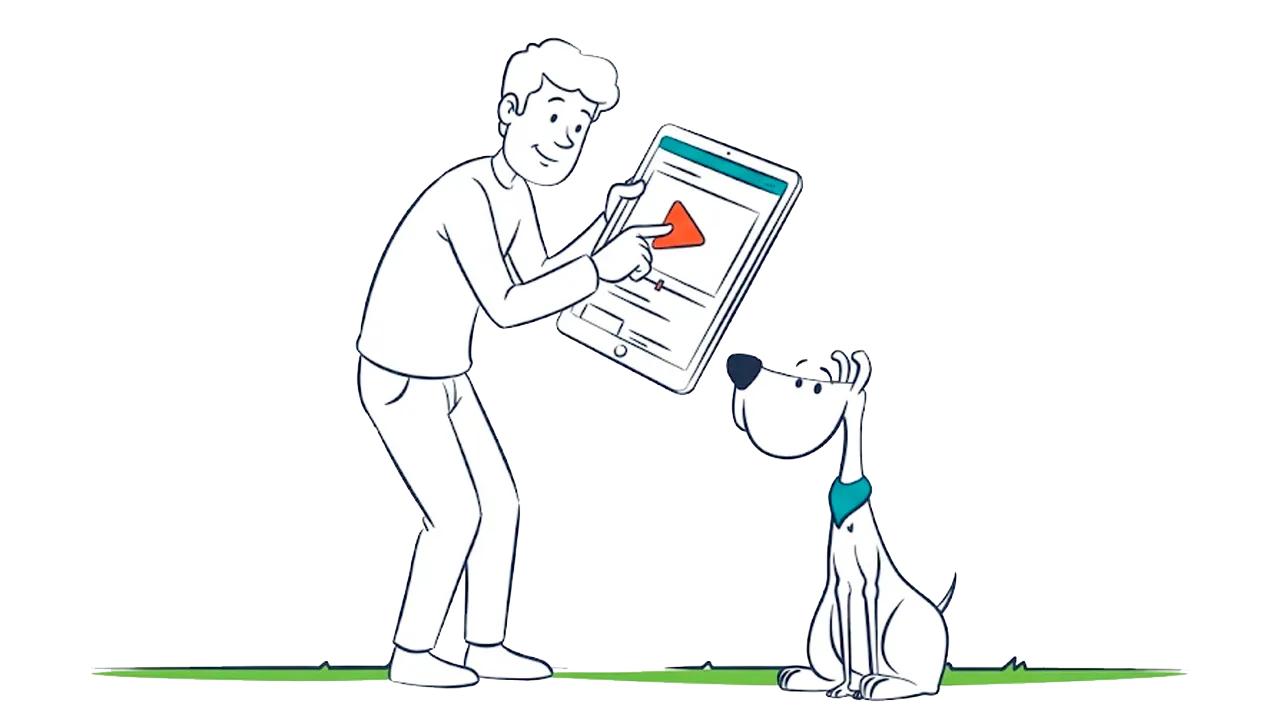
Why give up your pet through Miwuki?
If you have a dog, cat, rabbit, ferret, or any kind of pet and for any reason you can’t take care of them, you can post an adoption listing on Miwuki to reach adopters.
On Miwuki Pet Shelter you can publish your listing for free, with a process designed to make contact easier while protecting your family’s privacy. We can help across all provinces in Spain (Madrid, Barcelona, Valencia, Seville, etc.), connecting pets who need a home with responsible adopters in any city.
Requirements and legal guidance
Add clear photos and an honest description: temperament, compatibility, vaccines, microchip, and spay/neuter if applicable.
When you’re ready to hand your pet over, it’s important to sign an adoption agreement and arrange the microchip ownership transfer via the appropriate registry or your veterinarian, following the process in your region.
How to post your listing?
- Go to Miwuki Pet Shelter.
- Log in or sign up as an individual.
- Fill in the listing details and upload photos.
- For safety reasons, we will review the listing before publishing it. It’s typically reviewed within 1–3 days.
Requirements
- It must not be a “hidden sale” listing.
- State whether the pet is given with vaccines, microchip, spay/neuter, and any related costs.
- Individuals are not allowed to request any financial contribution on Miwuki.
Frequently asked questions
Practical guide to write a clear listing and find the most suitable family for your pet.
Questions to post an adoption listing
How do I start the adoption process? 😊
If you are in the difficult situation of needing to find a new family for your dog or cat, Miwuki is here to help you make the process as safe and simple as possible 💛
Start by creating a clear, honest listing. Take a few minutes to upload good photos, describe their personality, and explain the day-to-day care they need.
Why should I give up my dog or cat for adoption through Miwuki? 💛
Because Miwuki Pet Shelter is designed to give visibility to pets that need a new family.
Every day, many people visit the platform looking to adopt dogs and cats responsibly, so your listing can reach real adopters.
You can also post for free and keep the process organised with clear info, photos, and requirements—helping you find a better match and avoid rushed decisions.
What information is essential in the listing? 📋
Try to see the profile through an adopter’s eyes: they need to picture what living with your pet would be like.
Make sure you include:
- their approximate age,
- their size or weight so people can visualise it,
- their overall personality,
- how they do with other animals and with children,
- their energy level (very active vs. calm),
- any medical needs or ongoing medication,
- and what kind of home environment would suit them best 🏡
- The clearer you are, the easier it is to find the right family.
Should I write a very long description? ✍️
- You don’t need to write pages and pages.
- What matters most is being transparent and sharing your real experience with them.
- Try to cover the essentials without overcomplicating it:
- What is their typical temperament?
- What activities do they enjoy most?
- What kind of person or household would they fit with?
- What do they need to feel calm and safe? 💛
A natural, straightforward text works better than a very long description where the key details get lost.
What kind of photos should I upload? 📸
- Photos are one of the biggest drivers of interest. Truly.
- Upload as many as you can, and make sure they show their personality:
- one close-up where their face is clear,
- one full-body photo to show size,
- one resting or sleeping,
- and one playing or being active ✨
- Avoid dark, blurry photos or ones where they are hard to see.
You don’t need to be a professional photographer—just help adopters see them clearly 😌
Should I mention health or behaviour issues? 🤔
- Yes. Honesty is the foundation of a good adoption.
It may feel tempting to only share the positive, but successful adoptions happen when there are no surprises 💬
If they are nervous at first, don’t get along with cats, or need ongoing medication, it is important to say so.
People looking to adopt responsibly are not searching for perfection—they are looking for a companion they can understand and care for ❤️
Should I describe the type of home they need? 🏡
- It’s strongly recommended.
Every pet has different needs, and being clear about the ideal environment helps you reach the right profiles faster.
For example, it helps to mention whether they:
- prefer a quieter home,
- love being around children,
- can adapt to an apartment or need a garden,
- cope well being alone for a few hours,
- or need lots of physical activity 🐾
- This saves time and reduces the risk of a failed adoption.
Can an older pet still find a family? 🐶🐱
- Absolutely. 💛
Adult and senior pets are wonderful: their personality is already defined, they are usually more predictable than puppies or kittens, and they can be a great match for people looking for a calmer home.
Highlight their strengths:
- they already know house rules,
- they are used to toileting outside or in the litter box,
- they walk calmly on the lead,
- and they enjoy quiet companionship 😄
Many families are looking for exactly this—your job is simply to help them find each other.
How do I write a listing that connects with adopters? 💫
- Write as if you were describing your pet to a good friend.
Don’t exaggerate their qualities, but don’t hide important details either.
Small, real-life moments often help people connect:
- how they greet you when you get home,
- funny habits they have,
- what they enjoy doing most,
- and what kind of family you think would suit them best ❤️
The goal isn’t “marketing”—it’s helping the right person understand what life with them would be like.
What if days go by and nobody contacts me? 📩
Be patient. Sometimes it takes time, or the listing just needs a few tweaks.
It helps to review:
- switching the main photo to a brighter, more appealing one,
- improving the first paragraph so it’s more engaging,
- making sure you’ve described their personality clearly,
and checking that the adopter profile you’re looking for is easy to understand.
- Often, a few small changes can make the listing much more visible ✨
Should I share the listing elsewhere? 📣
- Yes—sharing helps a lot.
Post it in family or neighbourhood groups and on your social media. The more people see it, the higher the chances.
If someone reaches out through social media, we recommend sending them the Miwuki link so everything stays organised in one place 😊
Questions to find the ideal adopter
What questions should I ask interested adopters? 🐾
The aim is to understand their lifestyle and whether it fits your pet’s needs.
Keep the tone friendly. It should feel like a conversation, not an interrogation 💛
It’s important to ask about:
- their type of home,
- how many hours your pet would be alone,
- whether there are children at home,
- their previous experience with pets,
- whether they already have other animals,
- their daily routine,
and—very importantly—whether everyone in the household agrees with the adoption 🏡
Can you share examples of useful questions? ✅
Of course. These help you guide the conversation:
- What is your typical daily routine?
- How long would the pet be alone due to work or other commitments?
- Do you live in an apartment or a house with outdoor access?
- Do you have young children, or plan to have them soon?
- Are there other animals at home right now?
- Have you lived with dogs or cats before?
- Why did this pet’s profile stand out to you?
- Do you feel your lifestyle matches their energy and needs?
- Is everyone in the home comfortable with the responsibility?
- What would you do with the pet during holidays or if you had to move? 🤍
With these answers, you’ll get a very clear picture of whether it’s a good match.
How can I tell if someone is trustworthy? 🌟
There are a few signs that usually point to real commitment:
- they clearly read the full description,
- they ask sensible questions about care or health,
- they understand it takes time and don’t pressure you,
- they share their routines transparently,
- they see this as a long-term decision, not a short-term impulse,
- and they show both excitement and responsibility 💛
Look for people who feel open, thoughtful, and willing to adapt to your pet.
What should I make clear before confirming the adoption? 📌
Before making the final decision, take a moment to review the key points together:
- their real personality, including strengths and possible fears,
- the level of activity and care they’ll need,
- the importance of patience during the initial adjustment period,
- any ongoing veterinary treatment or costs,
- and what you expect regarding their long-term wellbeing.
- Clarity from the start prevents problems later and protects your pet 🐾
Is it okay to ask about their home or lifestyle? 🏠
- Yes—this is necessary.
Ask with kindness and respect. Your responsibility is to make sure the environment will be safe and positive for your pet.
You can naturally ask about:
- their home setup,
- their working hours and time away,
- whether they live a very active or more relaxed lifestyle,
- and whether they feel their routine fits this specific pet.
Should I ask if they already have other animals? 🐶🐱
- Yes, this is an essential point.
- It can completely change the adjustment process.
- You’ll want to know:
- whether they already have dogs or cats,
- whether they have other species such as birds or small mammals,
- and what the existing animals’ temperament and socialisation are like.
This helps you predict whether introductions will be easy or need a more gradual plan 😊
Is it important to know if there are children at home? 👶
- If you think it may affect your pet’s wellbeing, yes.
Some pets thrive around children, while others can feel stressed by noise or sudden movements.
Bring it up normally. The shared goal is always for both the family and the pet to feel safe and comfortable together 💛
How do I say “no” if it doesn’t feel like the right fit? 😔
Be honest and empathetic. This is a very common situation in adoption processes.
A polite, respectful approach works well, for example:
Thank you so much for your interest. Based on this pet’s specific needs and your current routine, we feel a different environment may suit them better right now 💛
Most people understand when you explain that your priority is the pet’s wellbeing.
Are there topics I should avoid asking about? 🙏
Try not to ask overly personal questions, or financial questions that may feel invasive.
- Keep the focus on the adoption and your pet’s needs.
- Stick to what directly affects the pet:
- their availability and schedule,
- their experience,
- their commitment,
- and their ability to provide a stable, caring home.
- That is the right boundary for the conversation.
In short: what mindset should I have during these conversations? ❤️
- Focus on finding the best future for your pet, without rushing.
- Quick decisions rarely work out well.
Trust your judgement, communicate clearly and honestly, and think about whether this home will offer long-term stability and happiness 🐾
Final checks before making the decision ✅
Before confirming the adoption, ask yourself:
- Do they truly understand your pet’s needs and personality?
- Is their lifestyle compatible?
- Is everyone in the household on board?
- Are they prepared for potential veterinary costs if they come up?
- Do they have the patience for the adjustment period?
- Does it feel like a thoughtful, responsible decision?
- If the answers are yes, you’re very likely looking at the right home 💛
Which quick questions help me screen adopters? 🧩
- A short screening saves a lot of stress for everyone.
- What usually works is asking about:
- schedule and time alone,
- housing and who lives at home,
- previous experience with dogs/cats,
- whether they’re open to a meet-and-greet,
- and what they expect day to day.
- It’s not about mistrust, it’s about real fit.
What should I hand over on adoption day? 📄
The best way to avoid misunderstandings is to keep things written and organised.
Typically, it helps to hand over:
- a signed agreement,
- health booklet/passport and any reports,
- a one-page routine (food, walks/litter, medication if any),
and proof of the microchip transfer request if you’ve already started it.
- If there are medical doubts, check with your veterinarian.
Can I ask for a meet-and-greet or a follow-up after adoption? 🤝
- Yes, and it often helps.
- A calm meet-and-greet reduces impulsive decisions.
After adoption, a short follow-up (for example, a quick call and photos) can help spot issues early without invading privacy.
What are common red flags in an adoption? 🚩
Rushing, pressuring you to hand over without meeting, inconsistent stories, or refusing to sign an agreement.
- It’s also a bad sign to avoid microchip or health paperwork.
- If something doesn’t add up, pausing is the responsible choice.
What if I need to rehome urgently? ⏱️
If it’s truly urgent, try to avoid shortcuts that create bigger problems later.
Prioritise: a clear listing + a minimal screening + agreement + microchip/paperwork.
If there are symptoms or health issues, check with a veterinarian before the handover.
What can I do if I can no longer take care of my dog or cat?
If you’re at this point, you’re not alone—life circumstances can change, and the priority is finding the safest, most responsible outcome for your pet.
In practice, this order usually helps:
- see if someone you trust (family or friends) can foster temporarily while you organise the next steps,
- post a complete, honest listing on Miwuki Pet Shelter to find a suitable adopter,
- contact local rescue organisations if you need help with visibility or temporary foster options,
- ask your vet about paperwork, microchip details, and the recommended steps in your area,
and if there is an urgent risk (safety or health), contact local services or the relevant authorities.
The key is to avoid leaving a pet on the street or “letting them go”: it is dangerous and usually makes everything harder.
What is the fine for abandoning a dog?
In Spain, abandonment is classified as a serious administrative offence under Law 7/2023, with a fine from €10,001 to €50,000.
Also, if a vertebrate animal is abandoned “in conditions where their life or integrity may be at risk”, it can fall under the Criminal Code (Art. 340 ter): a fine of 1 to 6 months or community work from 31 to 90 days, plus a 1 to 3-year disqualification from keeping animals.
Which route applies (administrative and/or criminal) depends on the facts and how authorities process the case.
If you’re struggling, the responsible alternative is a proper adoption/transfer with an agreement and an up-to-date microchip, or asking a rescue/local services for help.
I’ve found an adopter: next steps
I’ve found an adopter—what should I do next? ✅
It helps to slow down and close the process step by step. That protects your pet’s wellbeing and gives both sides peace of mind.
A practical approach is:
- meet in person (if possible) for a first interaction,
- go over the listing details together and answer questions,
- agree on a handover date and what is included (health booklet, microchip, vaccines, etc.),
- sign an adoption or responsible transfer agreement,
and arrange the microchip ownership transfer according to the procedure in your region.
If anything feels off, it’s better to pause and keep looking. Your pet’s welfare comes first.
What should an adoption agreement include? 📄
- A simple, clear agreement helps avoid misunderstandings.
- Without making it overly complicated, it’s useful to include:
- both parties’ details (current carer and adopter),
- your pet’s identification (species, breed if applicable, approximate date of birth, microchip number),
- known health information (vaccines, spay/neuter if applicable, ongoing treatment),
- the handover date and any agreed conditions (for example, follow-up during the first weeks),
- and a basic commitment to responsible care.
If you’re unsure, you can start from a rescue organisation’s adoption contract template and adapt it to your situation.
How does the microchip ownership transfer work? 🐾
The microchip ownership transfer is handled differently depending on the region.
In many cases it’s processed via a vet or the local registry, and it requires basic documentation (ID, pet details, and consent from both parties).
The safest option is to ask your usual vet or your regional registry for the exact steps to avoid mistakes.
What documents should I give the adopter? 📎
- An organised handover makes the first days much easier.
- It’s helpful to provide:
- their health booklet or passport (if they have one),
- recent vaccine and deworming information,
- vet reports if there is relevant medical history,
- a simple routine guide (food, walks, medication if applicable),
- and proof of microchip transfer once it’s processed.
If your pet takes medication or follows a specific diet, write the instructions clearly and, if possible, provide enough for the first days.
Should I ask for a financial contribution? 💶
On Miwuki, individuals are not allowed to request any financial contribution.
If you have covered veterinary or care costs, the best approach is to focus on finding the right home and, if you need guidance, contact the Miwuki team.
Any tips for the first days of adaptation? 🏠
The first days matter. It’s normal for a pet to be more unsure or more excited than usual at the beginning.
Practical tips that often help:
- keep routines simple and predictable (food, walks, rest),
- give them a quiet space to retreat to, without pressure,
- avoid lots of visitors and intense stimulation during the first week,
- and introduce other pets gradually.
If there are signs of significant stress or any health concerns, the responsible step is to consult a veterinarian.
Ready to post your listing?
Post your pet on Miwuki Pet Shelter and start receiving requests.