The 3-3-3 rule for dogs: what it is and how to apply it after adoption
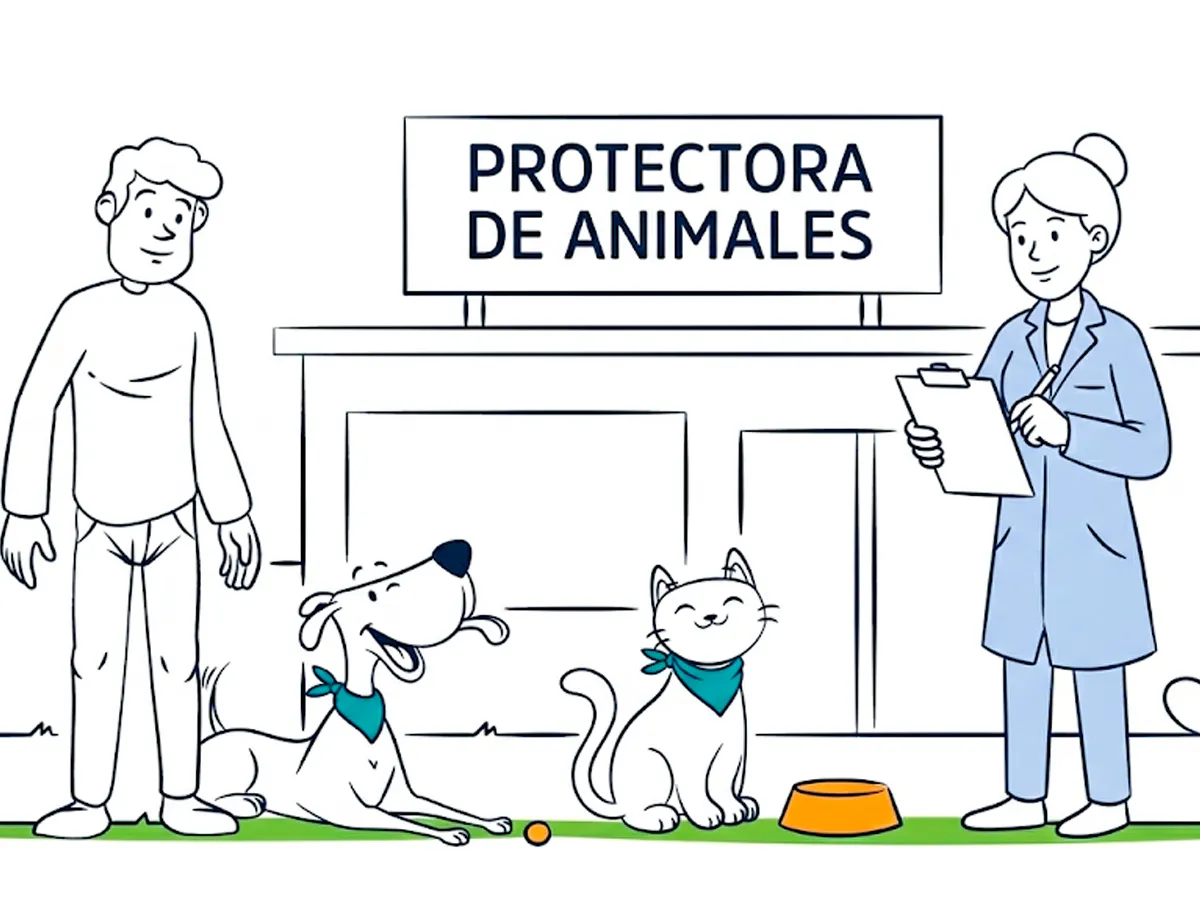
The 3-3-3 rule is popular because it puts realistic expectations into words: a newly adopted dog usually doesn’t “settle in” over a single weekend.
If you’re searching for “what is the 3-3-3 rule for dogs?”, here’s a clear, practical explanation—no drama and no magic promises.
What is the 3-3-3 rule for dogs?
The 3-3-3 rule is a simple guideline that breaks adjustment into three stages:
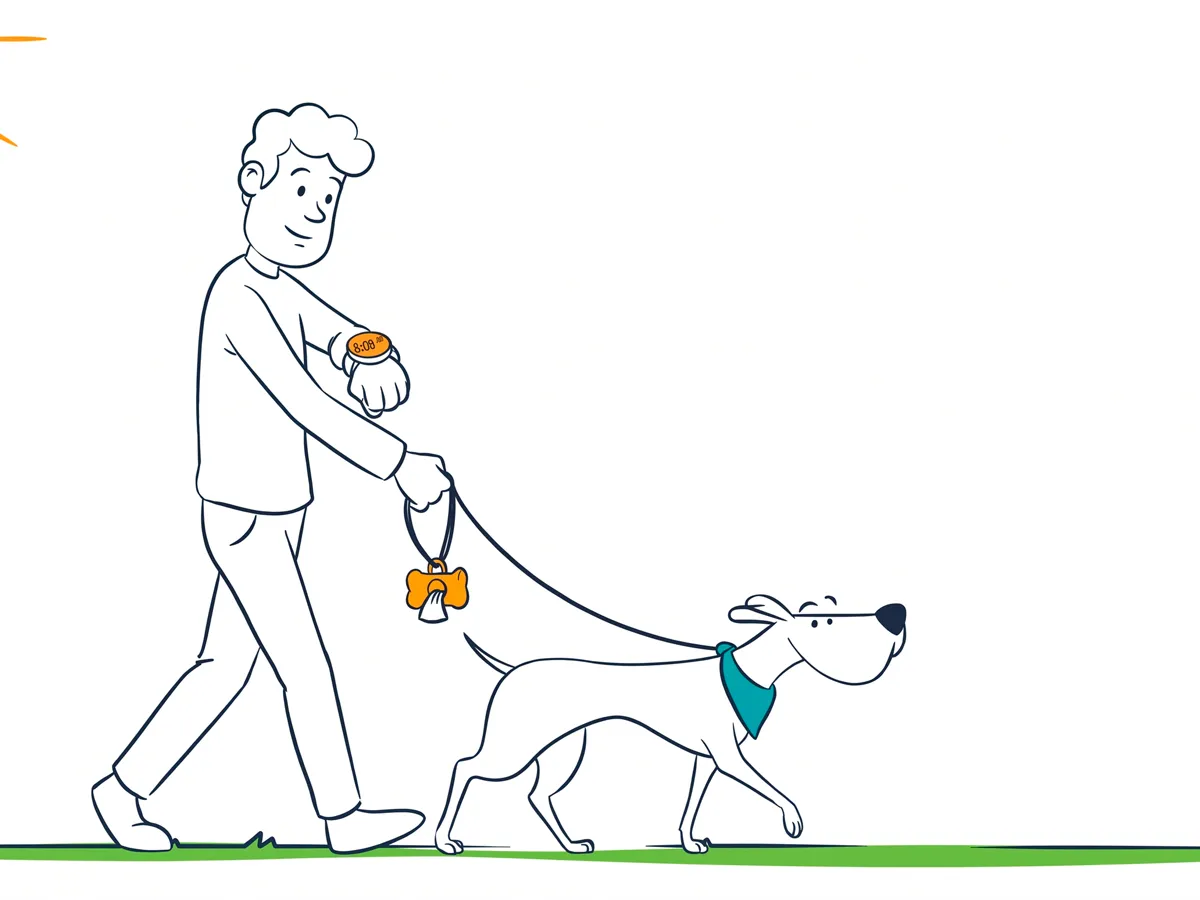
- First 3 days: many dogs are in “shock mode” (everything is new).
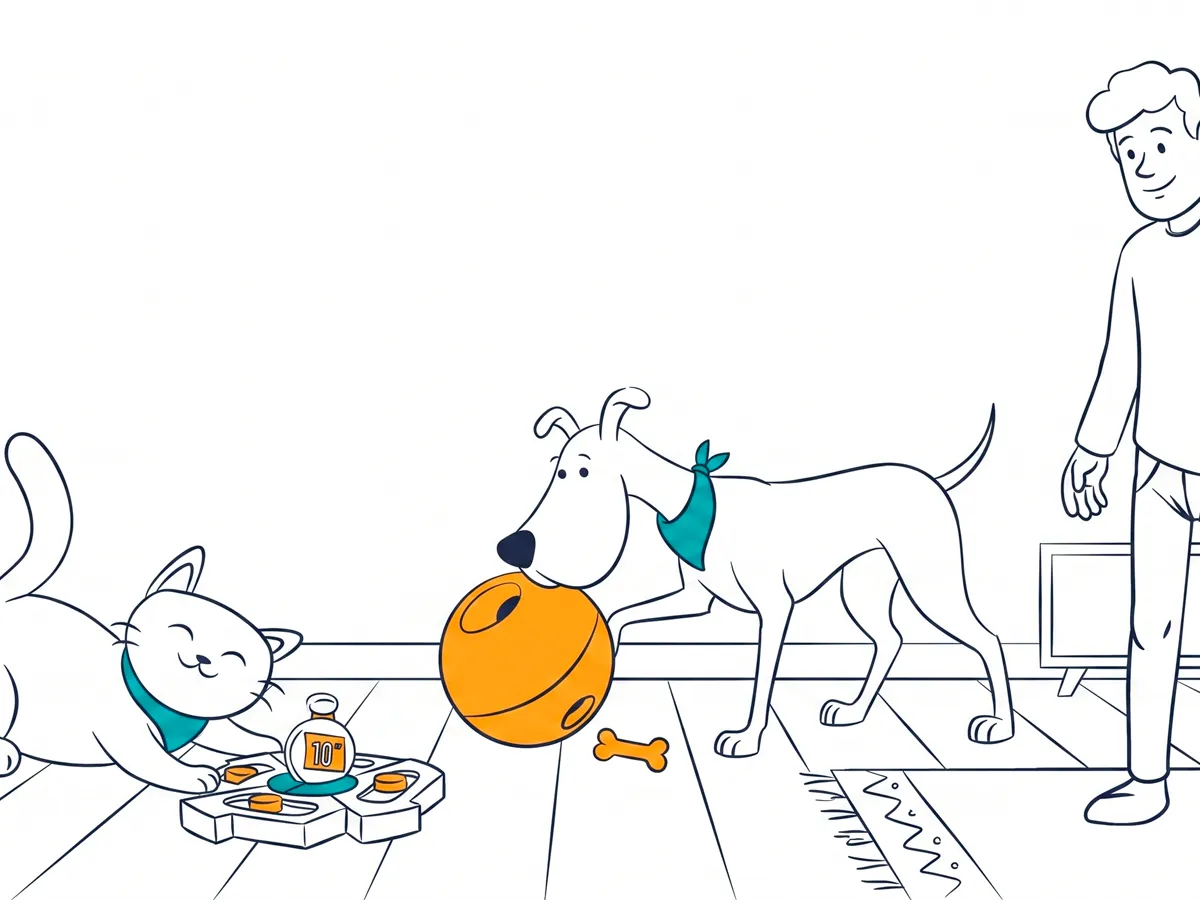
- First 3 weeks: routines start making sense and more behaviour shows up.
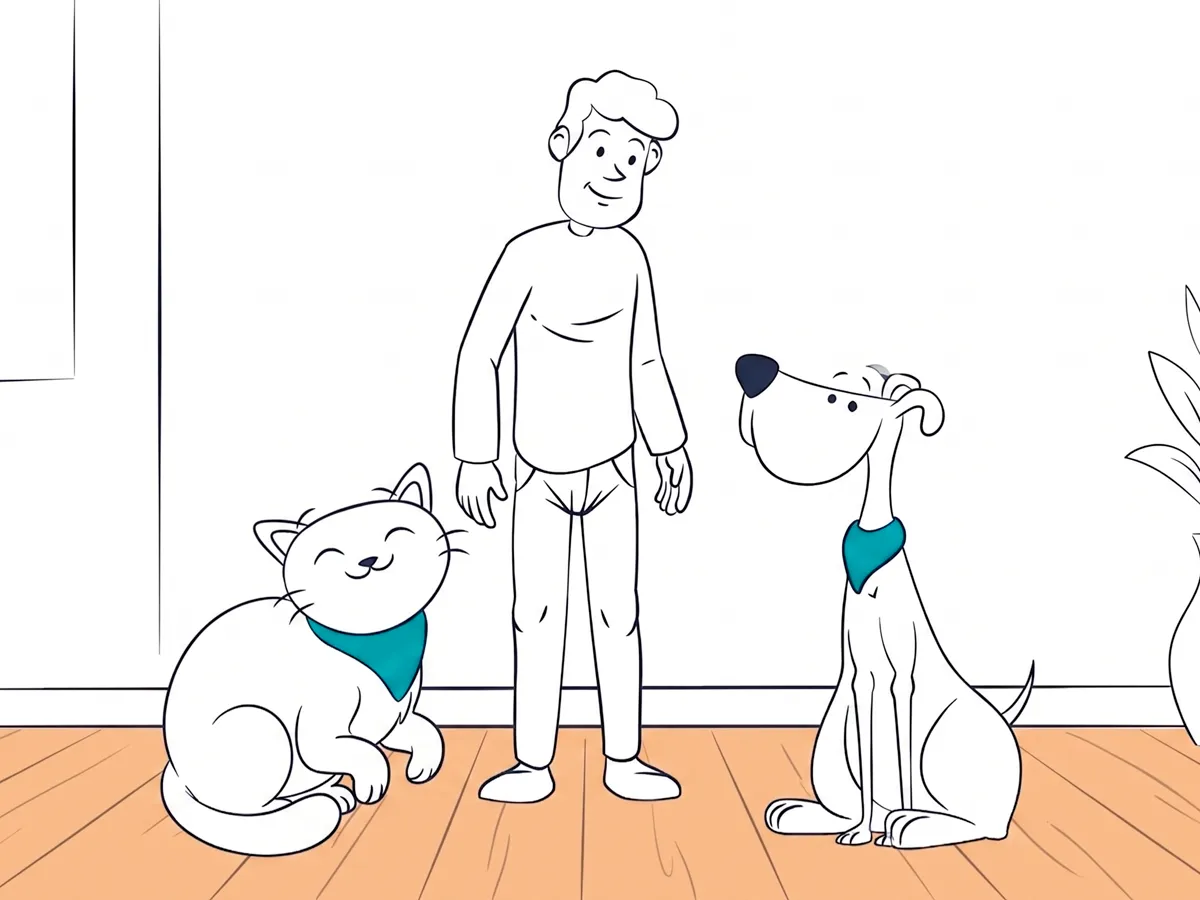
- First 3 months: bonding tends to settle and you see their “real self”.
Important: it’s not a stopwatch. Some dogs move faster, others need more time (age, past experiences, fear level, health, etc.).
How to apply the 3-3-3 rule at home (without overwhelming them)
First 3 days: safety and calm
Goal: help them understand “I’m safe here”.
- Keep it simple: food, potty breaks, rest, and not much else.
- Limit visitors and stimulation (avoid “welcome parties”).
- Create a “safe spot” (bed or quiet corner) where nobody bothers them.
- Short, calm walks if they’re stressed—quality over quantity.
If your dog eats less or seems shut down, stress can be the reason. Keep an eye on it, and if you see vomiting, severe diarrhoea, or deep lethargy, talk to your vet.
First 3 weeks: routine, gentle boundaries, and trust
Goal: teach the home rhythm.
- Same feeding and walk times (predictability reduces anxiety).
- Clear rules, no punishment: reward what you want repeated.
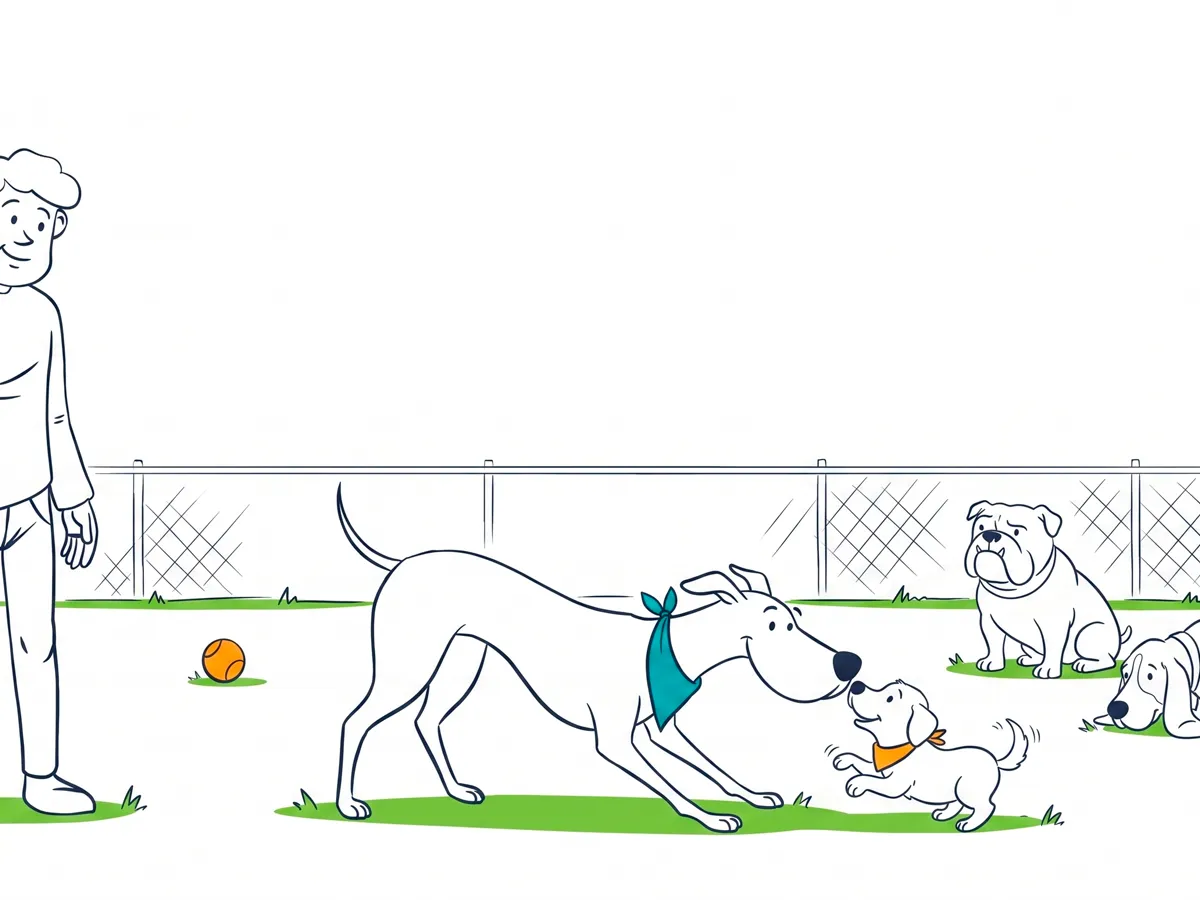
- Gradual introductions to people/other dogs (one thing at a time).
- Short training (2–5 minutes): name, “come”, “sit”.
It’s common for “new” behaviours to show up here: barking, pulling, fear outdoors, resource guarding… it doesn’t mean they’re “bad”. It often means they feel safe enough to express themselves.
First 3 months: consolidate and fine-tune
Goal: build sustainable habits.
- Expand experiences thoughtfully: new places once your dog feels stable.
- Teach alone time progressively if needed (don’t jump to hours).
- Reinforce self-control (waiting at doors, sniffing games, resting).
A simple note that helps a lot: keep a tiny “progress log” (what triggers them, what improved, what got worse). Progress often comes in waves.
Signs you’re on the right track
- Deeper sleep and more relaxation at home.
- Eating more normally.
- Seeking contact (or at least approaching without as much fear).
- More play, exploration, curiosity.
- Faster recovery after being startled (less “freeze time”).
Common mistakes that make adjustment harder
- Trying to “socialise big” from day 1 (too many people/places).
- Punishing fear signals (growling, hiding, barking): it often increases insecurity.
- Changing routines daily (“park today, busy street tomorrow, visitors next”).
- Forcing touch or holding them when they don’t ask for it (especially shy dogs).
When to ask for professional help
Ask a force-free trainer and/or your vet if you see:
- Panic or fear-based aggression.
- Self-injury, extreme destruction, or nonstop crying when left alone.
- Severe shutdown outdoors (won’t walk, shaking, trying to escape).
Miwuki resources
- If you need to rehome a dog or cat responsibly, this step-by-step guide helps: how to give up your dog or cat for adoption.
- If alone time is the challenge, this guide is practical: separation anxiety in dogs: signs and training plan.
Conclusion
The 3-3-3 rule isn’t a test, and it’s not “if it didn’t work in 3 months, it never will”. It’s a simple reminder that adjustment takes time, and that well-applied patience is often the difference between “this dog is impossible” and “this dog is completely different three months later”.
Sources
- Winnipeg Humane Society (3-3-3 rule): winnipeghumanesociety.ca
- Longmont Humane Society (3-3-3 guideline): longmonthumane.org
- Humane Society of the Lakes (adoption guide + 3-3-3 mention): hsofthelakes.org