Separation anxiety in dogs: signs and a step-by-step training plan
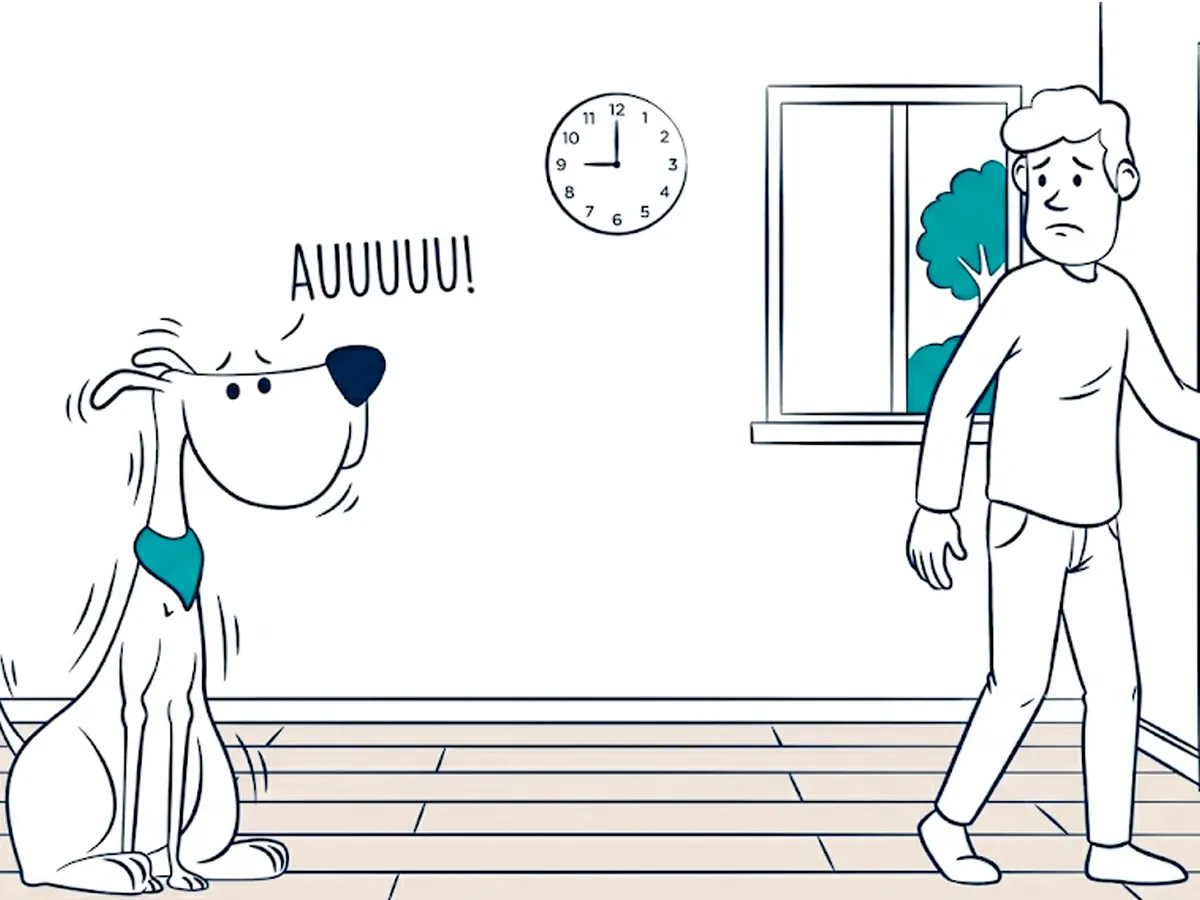
If your dog barks, cries, destroys things, or has accidents when you leave, it’s not “being naughty” or “bad manners”. Many times it’s separation anxiety: a real issue that can be improved, but it often gets worse if we treat it as “they’ll get over it”.
This article gives you clear signs to identify it and a simple (but effective) plan to start improving it without turning your life into an endless experiment.
Typical signs of separation anxiety
Not every dog shows it the same way, but patterns are common:
- Intense vocalization when left alone (barking, howling).
- Destruction focused near exits (doors, windows, sofa by the entrance).
- Drooling, panting, shaking, pacing.
- Urinating/defecating when alone (even if house‑trained).
- Extreme clinginess when you’re home.
If you can, record a short video when you leave—it helps distinguish true anxiety from occasional boredom.
Common mistakes that usually make it worse
1) Forcing long absences suddenly
Leaving a dog alone for hours “to get used to it” often escalates the problem.
2) Punishing when you return
If they destroyed something or had an accident, punishment doesn’t teach “how to be alone”: it adds stress and can worsen the association with your departures.
3) Big emotional goodbyes
The more intense the moment is, the harder it can be for them to stay calm.
Step-by-step plan (progressive and realistic)
1) Lower the intensity of the departure routine
Make it boring:
- Pick up keys, put shoes on, sit back down.
- Repeat without leaving so those cues lose their meaning.
2) Train “micro-absences”
Start with seconds, not minutes:
- Step out and return before they escalate.
- Repeat a few times a day, very short.
The goal is teaching: “I stay calm and they come back”.
3) Reinforce calm, not excitement
Reward relaxed behavior (lying down, calm sniffing), not jumping or frantic greetings.
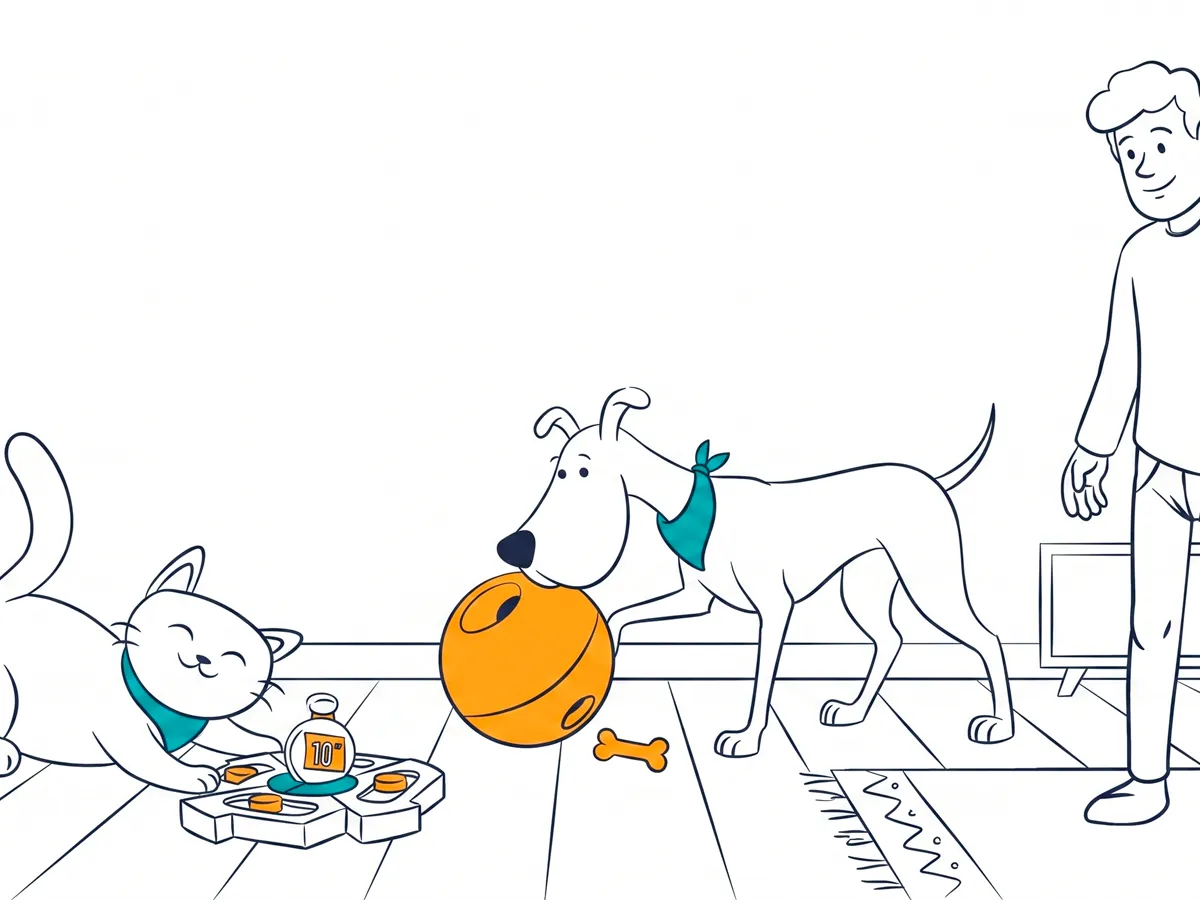
4) Environmental enrichment (used well)
It’s not “give a toy and done”, but it helps:
- Snuffle mats, safe food‑stuffable toys, simple scent games.
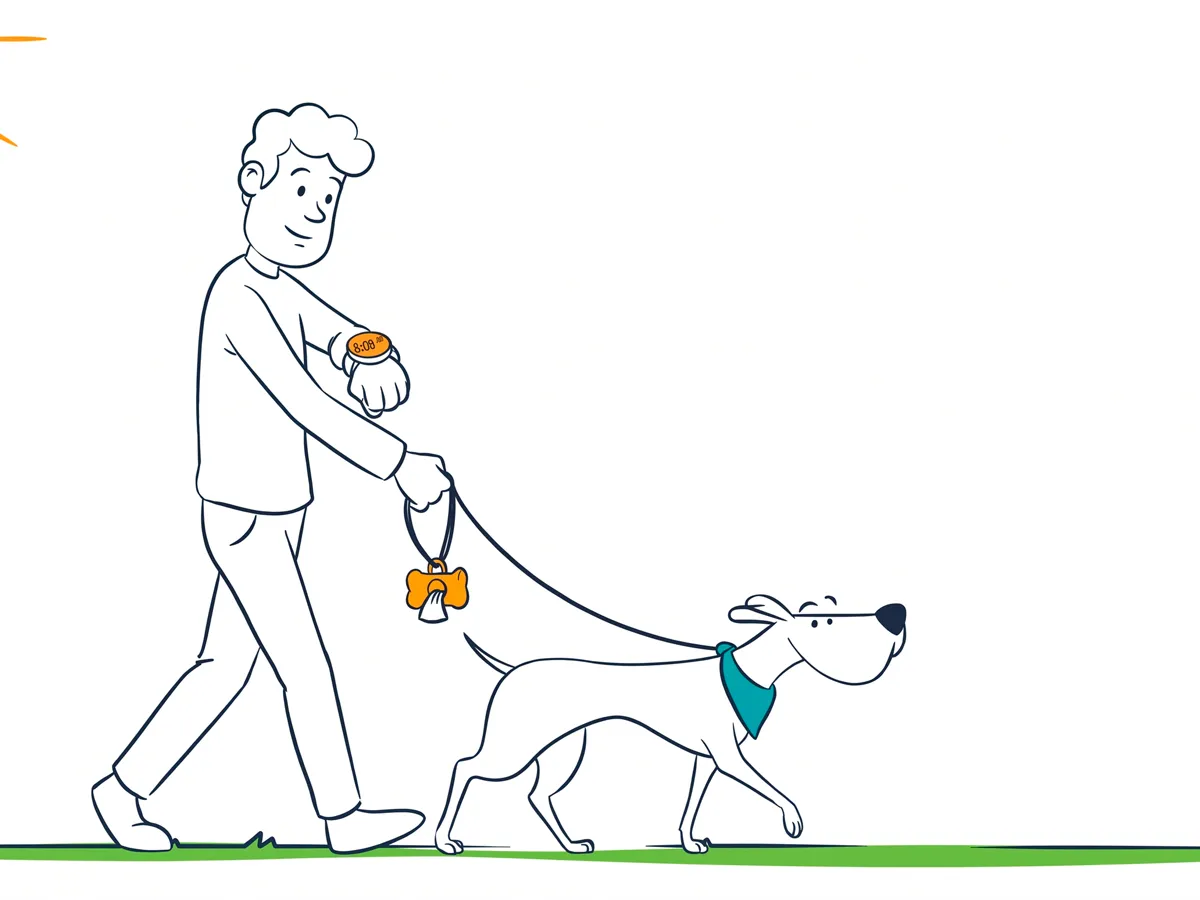
- A sniffy walk before longer absences (if your dog enjoys it).
To track duration and progress (what works, what day got worse, etc.), Miwuki Pet Life is very practical: download it here.
When to ask for professional help
If there’s self‑injury, intense panic, or you can’t avoid long absences, it’s best to work with an evidence‑based trainer and/or a veterinarian specialized in behavior. Sometimes you need a more guided plan.
If you also want to strengthen health routines and prevention, you may like our article on the puppy vaccination schedule.
Conclusion
Separation anxiety isn’t solved with “being strict”. It improves with planning, gradual steps, and calm consistency. Start small, track progress, and get help if it’s intense. Life can get easier—for them and for you.
Sources
- AVSAB (American Veterinary Society of Animal Behavior): https://avsab.org/
- RSPCA (separation anxiety resources): https://www.rspca.org.uk/