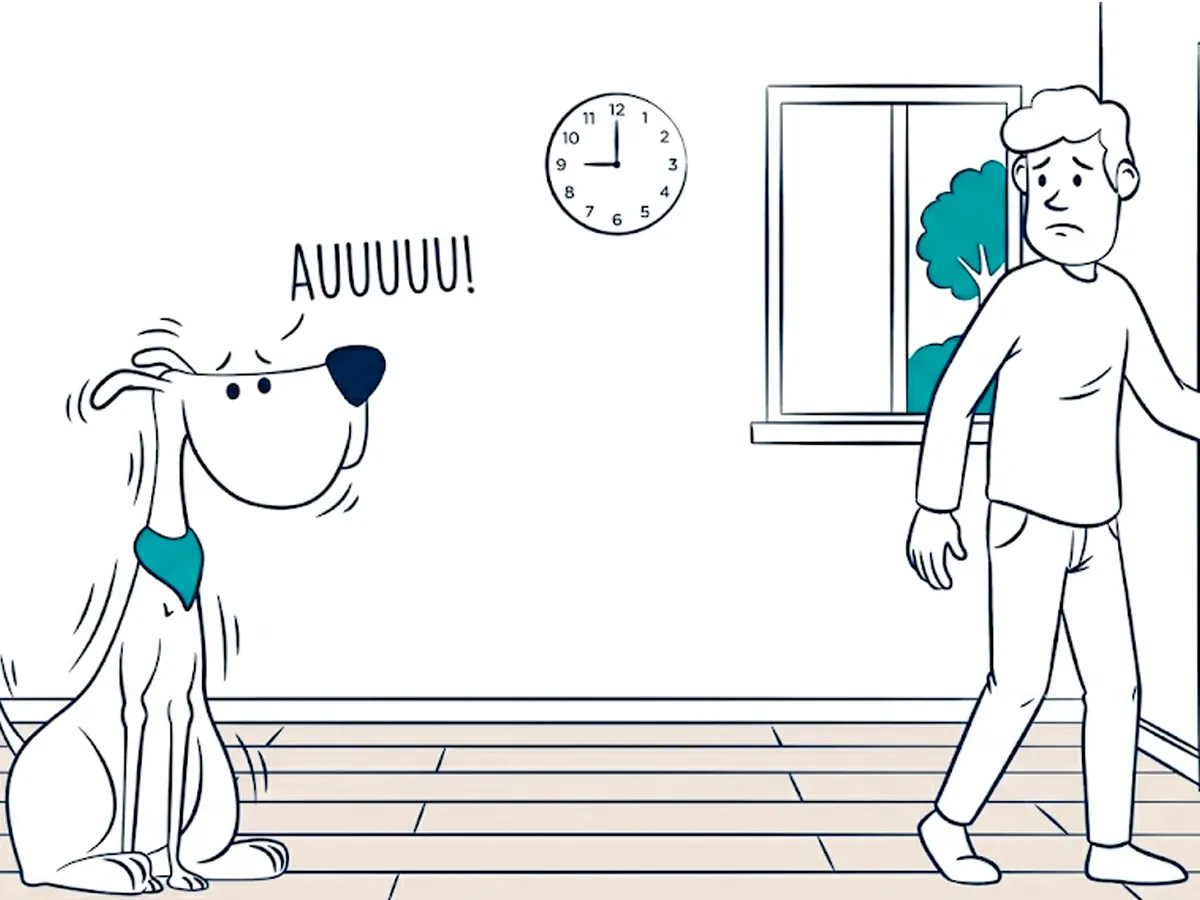
How long do dogs remember their owners? What we know (and what we don’t)
When someone asks “how long do dogs remember their owners?”, they usually want a neat answer like “X months” or “Y years”. The most honest (and helpful) answer is: there isn’t a single exact number that fits every dog.
What we can do is explain how dogs remember and why some reunions are instant while others look “cold” at first.
How long do dogs remember their owners?
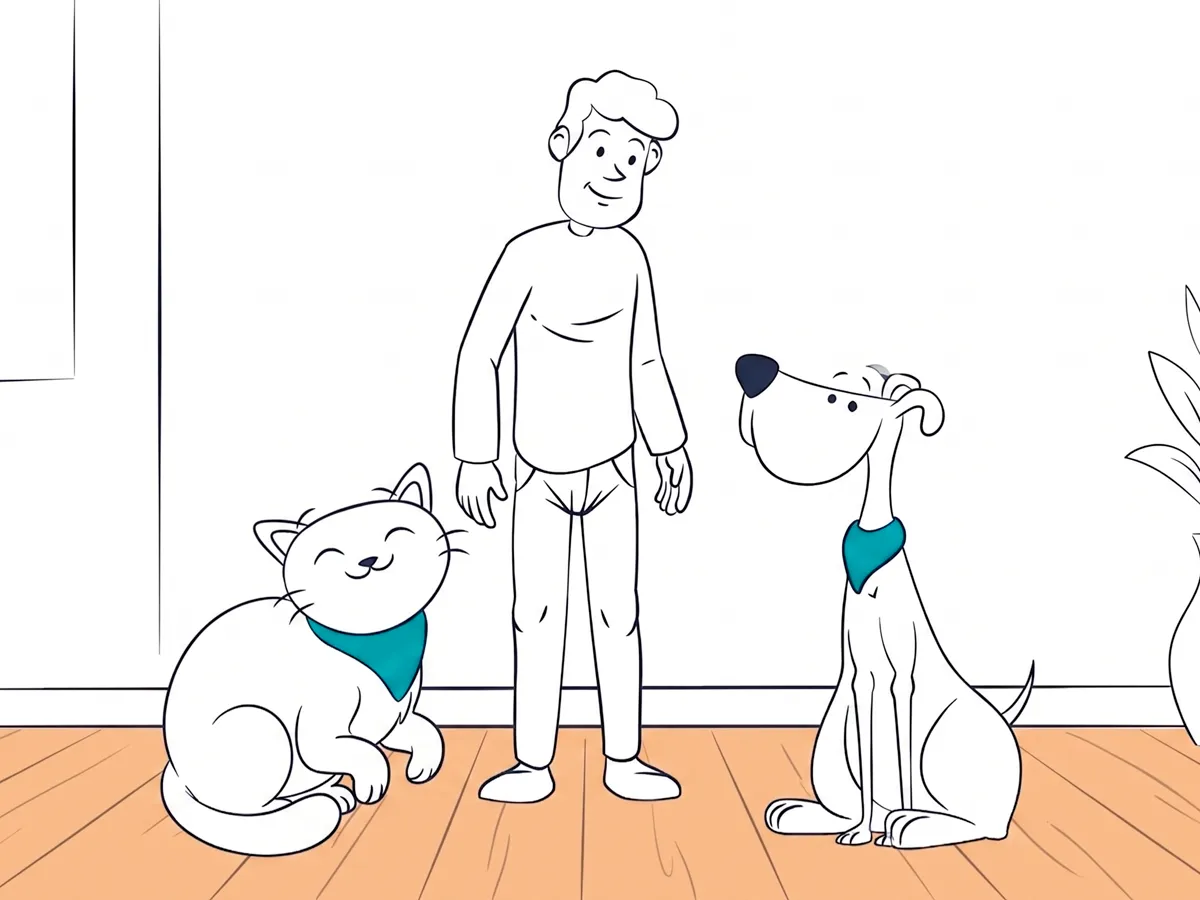
In general, dogs can recognise important people even after long separations, especially when the bond was strong and the relationship had repeated patterns (routine, care, play, safety).
But “remembering” doesn’t always look like viral reunion videos. Sometimes it looks like:
- they approach, sniff, pause, and then suddenly explode with joy,
- they seem “off” for a few minutes and then relax,
- they act distant if they’re stressed, unwell, older, or in a brand‑new environment.
How canine memory works
Associative memory (the big one for everyday life)
Much of a dog’s remembering is associative:
- your scent = safety / walk / food / calm,
- your voice = routine,
- your movement patterns = play or rest.
That’s why even if your appearance changes (hair, beard, clothes), your scent and voice still matter a lot.
Routines and learning (repetition sticks)
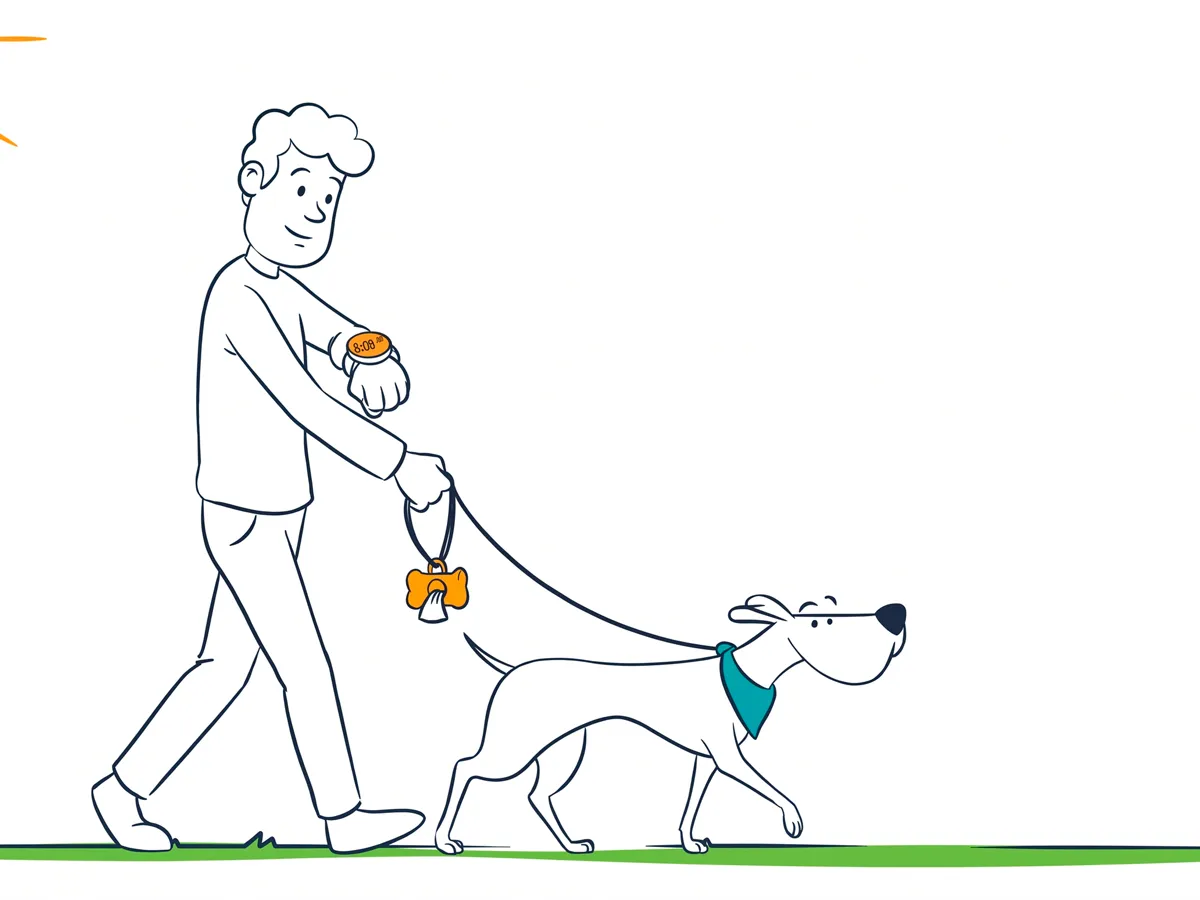
Dogs learn strongly through repetition: schedules, routes, words, body cues… That creates a stable “base” that reinforces recognition and bonding.
When the relationship was short or inconsistent, recognition can be weaker (not because of “lack of love”, but because there was less repetition and context).
Do dogs have “episodic memory” (remembering a specific event)?
Humans can easily recall “that day, this happened”. In dogs, the evidence suggests their memory doesn’t work the same way, but they can show “episodic‑like” memory in specific tasks.
For your question, the practical takeaway is: even if dogs don’t “replay the past” like humans, they do keep stable associations with people, emotions and routines.
Why some reunions are instant and others feel “colder”
A few factors can change the reaction a lot:
- Context: reuniting at home vs. a noisy unfamiliar place.
- Current stress: stress can suppress emotional expression.
- Age and health: older dogs or dogs in pain may be less expressive.
- Past bond: the quality of the bond matters more than the “exact time”.
- Scent and cues: if they see you from afar but can’t sniff you yet, it can take longer to “confirm”.
What to do if you’ll be away from your dog for a while
If you’re travelling or arranging temporary care:
- leave something that smells like you (a worn T‑shirt) in their resting area,
- keep routines as consistent as possible (walks, feeding, sleep),
- ask the carer to use your usual cue words (“bed”, “let’s go”, etc.),
- when you return, avoid over‑hyping: let them approach and confirm by scent.
If separation anxiety is part of the picture, it needs gradual training. This guide helps: separation anxiety in dogs.
If you adopted a dog: how to help them bond with you
With adopted dogs, “remembering” a previous carer can coexist with forming a new bond. Simple things that help:
- stable routine (walks, meals, rest),
- low‑pressure interaction (sniff walks, calm play),
- positive reinforcement (reward calm and voluntary approaches),
- patience: bonding is built through repetition, not intensity.
This can help you set expectations: the 3-3-3 rule for dogs.
Miwuki resources
- To keep a simple record of routines and progress (walks, behaviour, notes), Miwuki Pet Life can help: download Miwuki Pet Life.
- If you need to rehome a dog or cat, this is the practical starting point: how to give up your dog or cat for adoption.
Conclusion
There’s no single number. But the useful idea is that dogs remember mainly through associations (scent, voice, routines, emotions), and a strong bond often survives long separations. If your reunion isn’t “movie‑perfect” in the first minutes, it doesn’t mean they forgot you—sometimes they just need to confirm and decompress.
Sources
- Stockholm University (memory systems in animals, overview): su.se
- Fugazza et al. (Current Biology, 2016; “Do as I do” + memory in dogs): cell.com (Current Biology)
- AVSAB (behaviour resources): avsab.org