Puppy vaccination schedule: age-based guidance and common mistakes
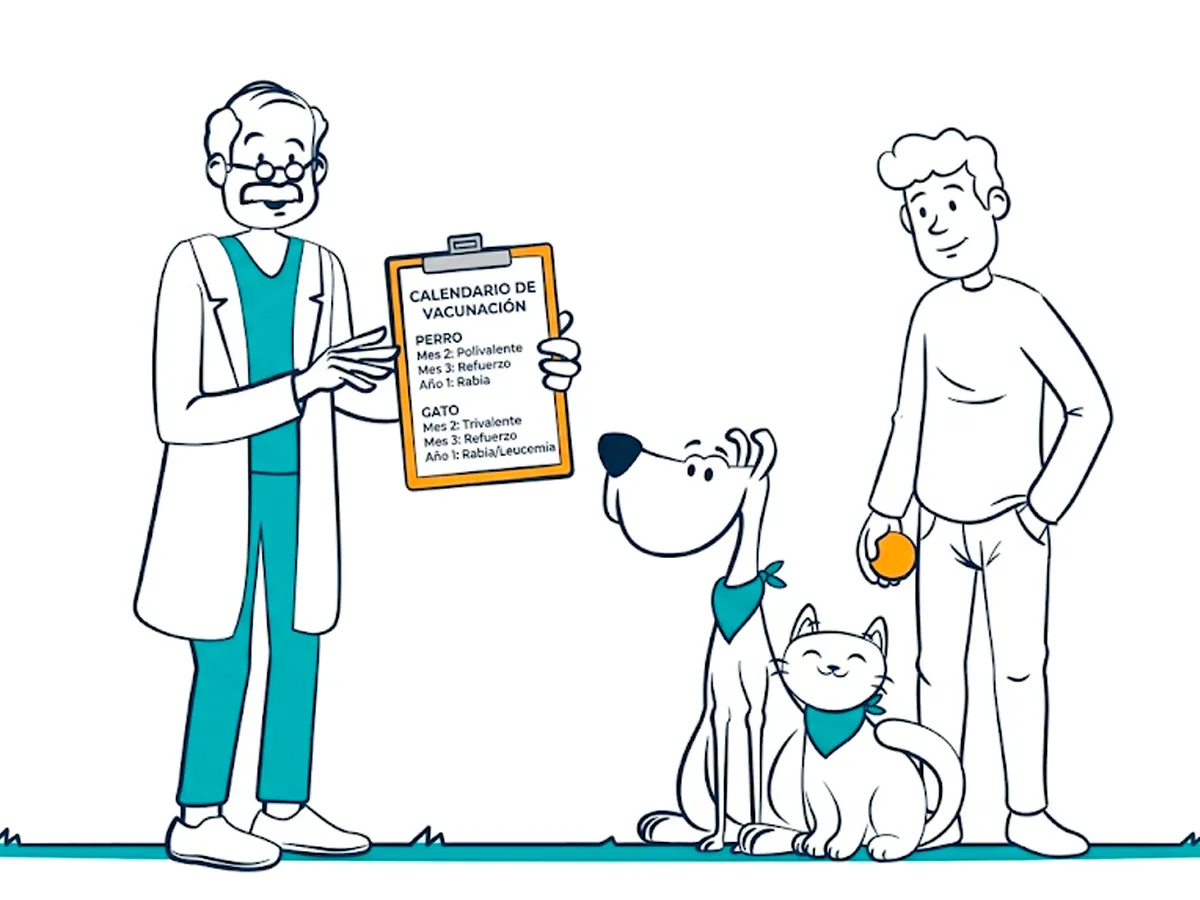
If you’ve just adopted a puppy, one moment comes quickly: the first vet visit and the classic question, “When are the vaccines due?”. And yes—if it’s your first time, it can feel confusing. The key idea is simple: there isn’t one universal schedule that fits every puppy.
In this guide you’ll learn how puppy vaccination is usually organized, what can change it, and the most common mistakes to avoid.
The most important thing: your vet customizes the plan
The schedule depends on factors such as:
- Your puppy’s real age (often uncertain in rescue situations).
- Environment and risk (city/countryside, contact with other dogs, boarding).
- Maternal history and whether the mother’s vaccines are known.
- Local regulations (for example, rabies requirements vary by region/country).
So use this as guidance—and always confirm the plan with your clinic.
How puppy vaccination is usually structured (without overwhelm)
In general, many programs look like this:
- Initial series: multiple doses spaced by an interval set by your veterinarian.
- Later booster: a follow‑up dose to reinforce protection.
- Maintenance: checkups and revaccination based on risk and protocol.
What matters isn’t memorizing dates—it’s not skipping doses and following the plan your vet recommends.
To keep it stress‑free, Miwuki Pet Life can help you manage reminders and vet visits: download it here.
“Core” vaccines vs. risk‑based vaccines
Your veterinarian may talk about:
- Core: protect against widespread, high‑severity diseases.
- Non‑core (risk‑based): recommended if your dog is exposed to specific situations (daycare, travel, endemic areas, etc.).
If it ever sounds like “too much”, remember the logic is benefit vs. risk, and your lifestyle matters.
Common mistakes worth avoiding
1) Going to high‑risk places too early
Socialization is crucial, but do it thoughtfully. Before the vaccine series is complete, avoid high‑traffic dog areas. You can still socialize with healthy, vaccinated dogs in controlled settings.
2) Switching vets without sharing records
If you change clinics, bring the vaccine booklet or a summary. It prevents duplicate doses and keeps continuity.
3) Assuming “they don’t go out much, so it’s fine”
Even low‑exposure dogs can encounter pathogens indirectly (shoes, visitors, brief outings). Your vet will advise what makes sense for your situation.
What if you’re late for a shot?
It happens: travel, work, forgetting… the key is don’t improvise. Call your clinic and let them adjust the plan.
If you want extra peace of mind for unexpected vet costs, consider Miwuki’s veterinary insurance: pet insurance.
Conclusion
The best vaccination plan is the one that fits your puppy and that you can follow consistently. If you take one thing from this article, let it be this: work with your veterinarian and prioritize prevention. Your future self (and your puppy) will thank you.
Sources
- WSAVA Vaccination Guidelines: https://wsava.org/global-guidelines/vaccination-guidelines/
- AAHA Canine Vaccination Guidelines: https://www.aaha.org/
- AVMA (vaccination resources): https://www.avma.org/