Road trip with your dog: car safety, paperwork, and common mistakes
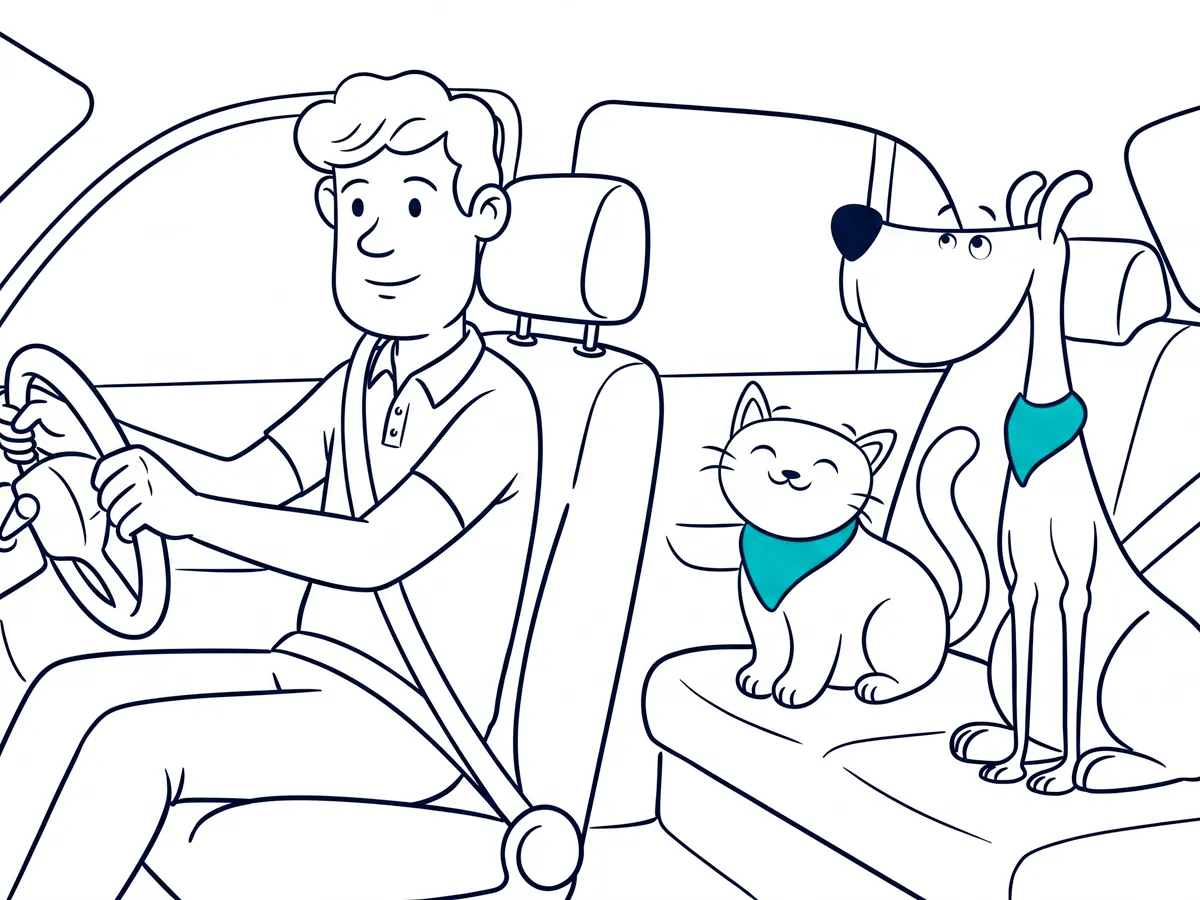
A comfortable, safe trip starts before you turn the key. Choosing the right restraint, planning breaks, and gradual habituation make all the difference.
Restraint systems
- Crash‑tested car harness with a short tether to the seat belt.
- Rigid crate secured to the seat belt or anchored in the trunk.
- Trunk barrier + additional crate restraint.
Avoid letting your dog ride loose or attached with a long lead: sudden stops can cause injury.
Gradual habituation
- Start with very short drives linked to positive destinations (e.g., a fun walk).
- Use blankets or a crate that smell like home.
- If car sickness occurs, ask your vet about safe options.
Breaks and logistics
- Stop every 2–3 hours for water, stretching and toileting.
- Fresh water available; avoid large meals right before travel.
- Up‑to‑date ID (microchip and a tag with your number).
For roadside health surprises, consider Miwuki’s veterinary insurance. To organize reminders, try Miwuki Pet Life: download.
Frequent mistakes to avoid
- Leaving your dog in a hot car (heat‑stroke risk).
- Riding loose “because they behave well”.
- Windows too far down: risk of jumping or flying debris.
Useful link
- If your dog struggles when you leave, this guide on separation anxiety may help.
Conclusion
Plan, restrain, and go gradual. With proper restraints and regular stops, car travel can be safe and manageable for both of you.
Sources
- AVMA — Traveling with your pet: https://www.avma.org/