Puppy feeding: how much to give, how many meals, and how to switch food
Feeding is one of the first big question marks: “Am I giving too much?”, “How many meals per day?”, “Why do they always seem hungry?”. Don’t worry—once you understand a few basics, you can feed your puppy well without obsessing.
This guide explains how to plan puppy feeding, how to switch foods safely, and which signs should prompt a vet check.
How much should a puppy eat? (the right way to think about it)
Instead of chasing one perfect number (it varies by breed, size, activity, and the food itself), focus on this:
- Your main reference is the feeding guide on the puppy food label.
- Adjust based on body condition: not ribby, not “waistless”.
- In growth, the goal isn’t “fast weight gain”—it’s steady, healthy development.
If you’re unsure how to assess body condition, your veterinarian can show you in minutes during a checkup.
How many meals per day
Most puppies do better with several smaller meals than one or two large ones.
Practical tip: take the total daily portion and divide it into as many meals as you can realistically keep consistent. Consistency beats a “perfect schedule”.
To keep track (meal routines, brand changes, weight, reminders), Miwuki Pet Life is very handy: download it here.
How to switch food without diarrhea (or with fewer chances of it)
The classic mistake is switching overnight. A gradual transition is usually the safest approach:
- Mix the new food with the old and increase the new one little by little.
- If diarrhea or vomiting appears, pause the change and ask your vet.
If you want a guide focused on what to do when diarrhea is already happening, read our article on dog diarrhea.
Treats, snacks, and “extras” (what no one warns you about)
Treats add up—fast.
- If you train with food, subtract it from the daily portion.
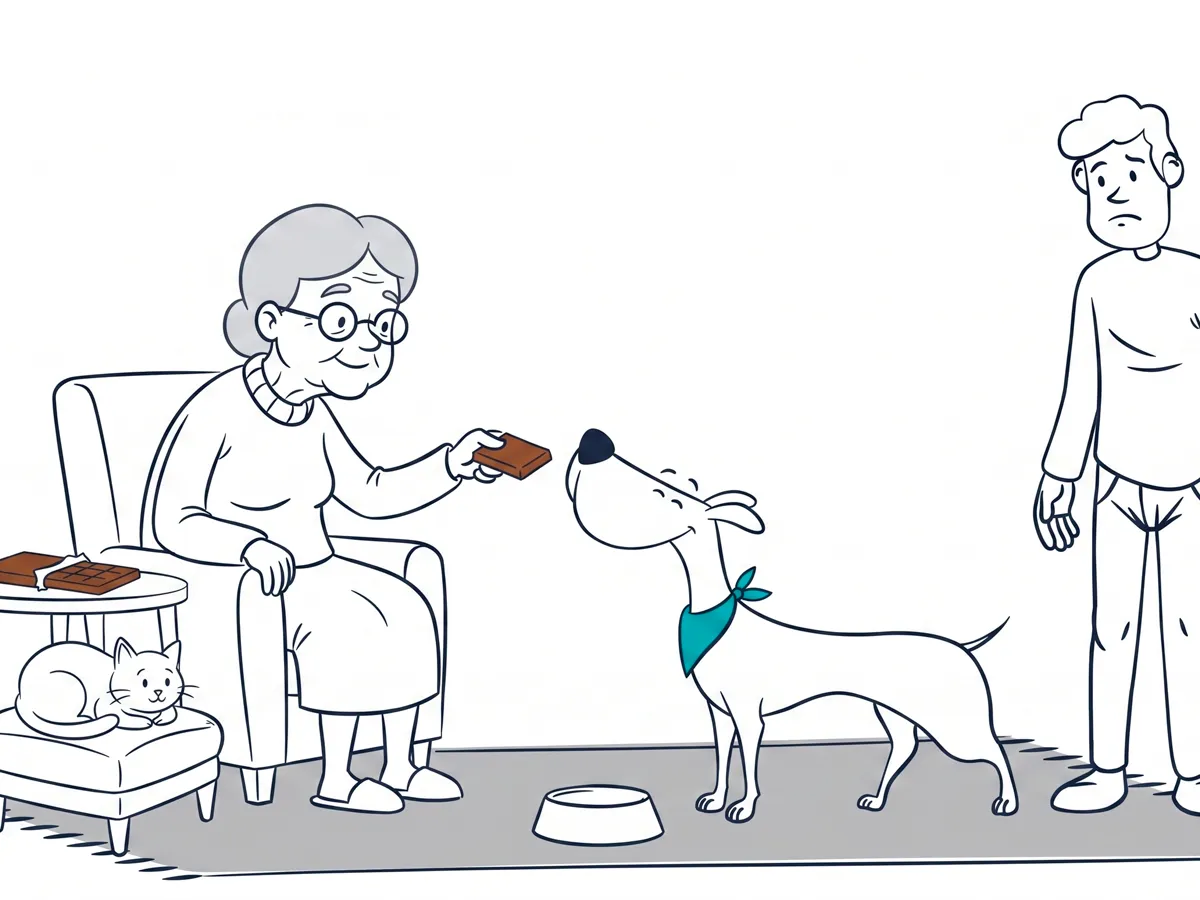
- Avoid human leftovers (fatty foods, sauces, cooked bones).
- Choose simple treats and keep portions small.
Signs something isn’t right
Talk to your veterinarian if you notice:
- Ongoing diarrhea or repeated vomiting.
- Itching, recurring ear infections, or frequent gas (possible intolerance).
- Weight loss or growth that seems to stall.
- A very intense appetite with poor body condition (multiple possible causes).
Conclusion
Puppy feeding is mostly about consistency: measured portions, multiple meals, smart treats, and slow food transitions. When in doubt, lean on your veterinarian—and on tracking tools—so decisions are based on real patterns, not stressful “day‑to‑day feelings”.
Sources
- WSAVA Global Nutrition Toolkit: https://wsava.org/global-guidelines/global-nutrition-guidelines/
- Merck Veterinary Manual (nutrition): https://www.merckvetmanual.com/