Puppy socialization: the sensitive window and simple steps to do it right
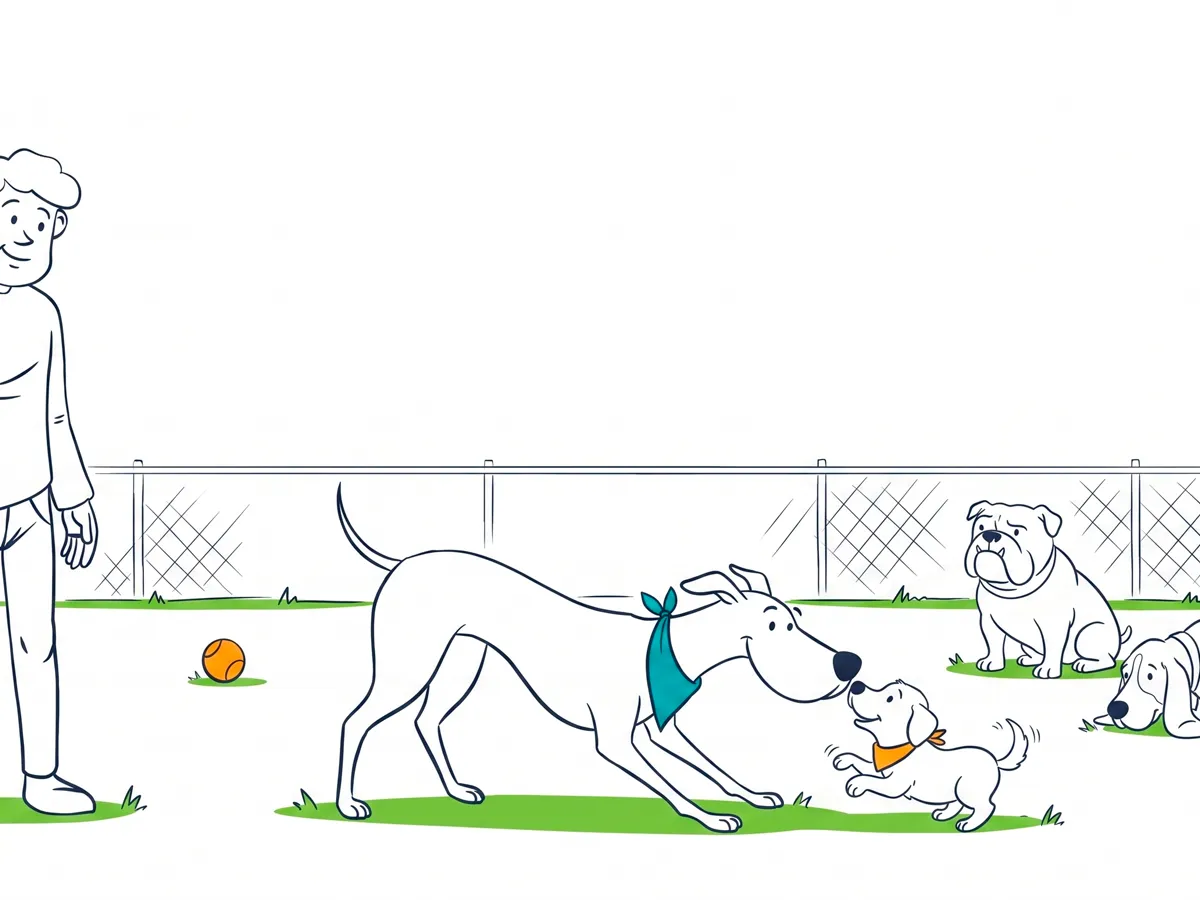
Socialization is the process by which a puppy learns to feel comfortable with people, animals, places and sounds. Done patiently, it prevents fears and behavior issues later. Here’s a simple guide to make the most of the “sensitive window” without compromising health.
When to start
- The socialization window generally spans roughly from 3 to 14–16 weeks.
- Discuss your vaccination schedule with your vet and which exposures are safe where you live.
- Favor short, positive experiences instead of trying to “see everything” in two days.
To keep appointments and notes organized, try Miwuki Pet Life: download.
What to do (gradual and kind)
- Introduce stimuli one by one: people with hats, umbrellas, scooters, bicycles, etc.
- Let your puppy observe at a distance and reward calm behavior.
- Use hand feeding or soft treats to say “this is good”.
- If you see stress signals, increase distance and lower intensity.
What to avoid
- Forcing contact with unknown dogs in crowded parks.
- Letting them walk on potentially contaminated surfaces before key vaccines.
- “Flooding” your puppy with too many stimuli at once.
Here’s a handy guide for early‑months vaccination planning: vaccination schedule.
Easy ideas for your checklist
- People: different ages, heights, voices; 2–3 minutes of watching + reward.
- Objects/sounds: hair dryer, vacuum off → on at a distance.
- Surfaces: rugs, smooth floors, low ramps.
- Transport: short, positive car rides.
Signs it’s going well
- Eats normally around new stimuli.
- Settles quickly after mild excitement.
- Shows curiosity without freezing.
If something feels off or intense fears appear, consult a veterinarian or trainer. For health surprises, consider Miwuki’s veterinary insurance: pet insurance.
Conclusion
Socialization isn’t a race—it’s planting positive, manageable experiences. Bit by bit, with distance and rewards, you’ll help raise a calmer, more adaptable adult.