Cat stress: clear signs and how to help at home
Stress in cats is more common than it seems and often goes unnoticed until behavior changes appear. The good news is that many cases improve with simple home adjustments and a predictable routine.
Common stress signs
- Hiding more than usual or avoiding contact.
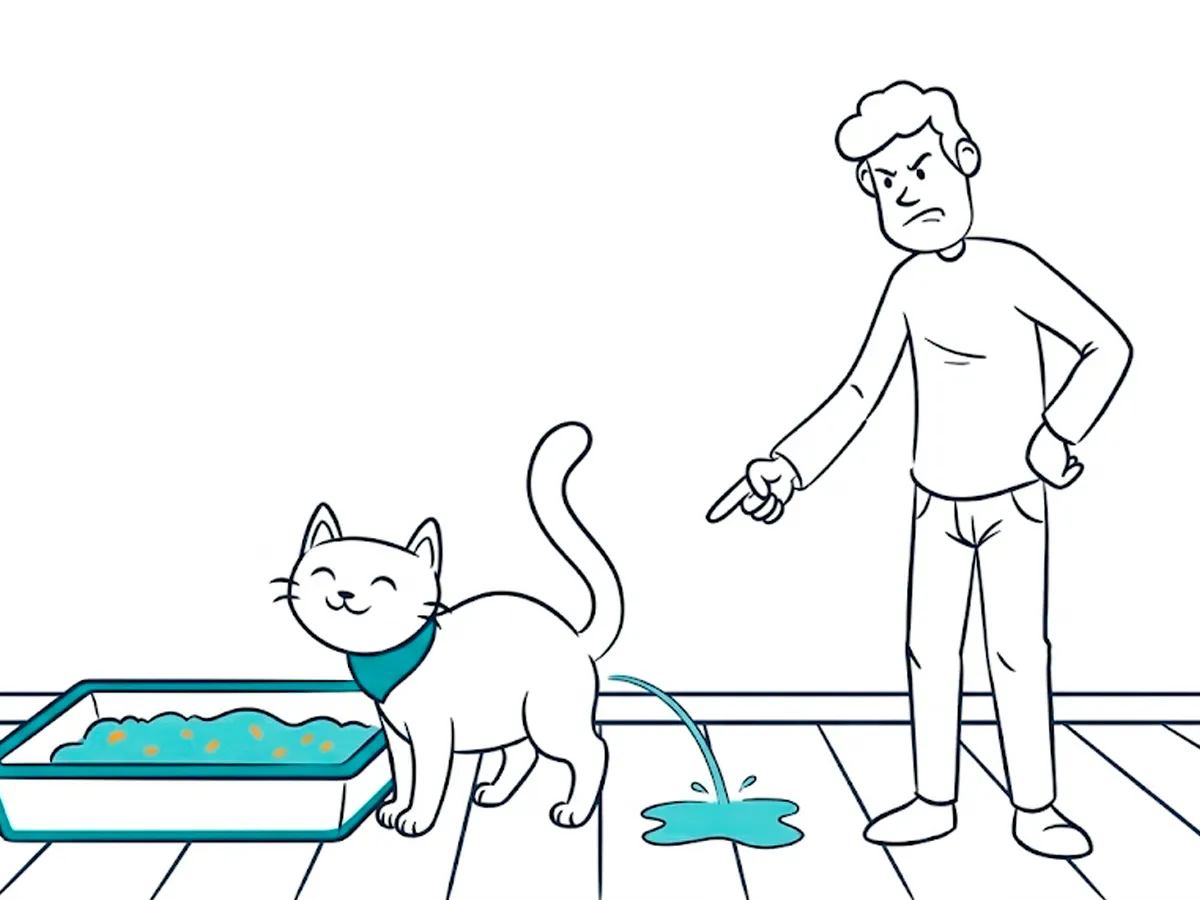
- Excessive grooming, marking, or litter‑box changes.
- Night‑time vocalizations, hypervigilance, conflicts with other pets.
- Changes in appetite or “clumsy” play (excited then stuck).
If you notice weight loss, marked apathy, or pain, contact your vet promptly to rule out medical causes.
Triggers that set it off
- Household changes: renovations, moves, new family members.
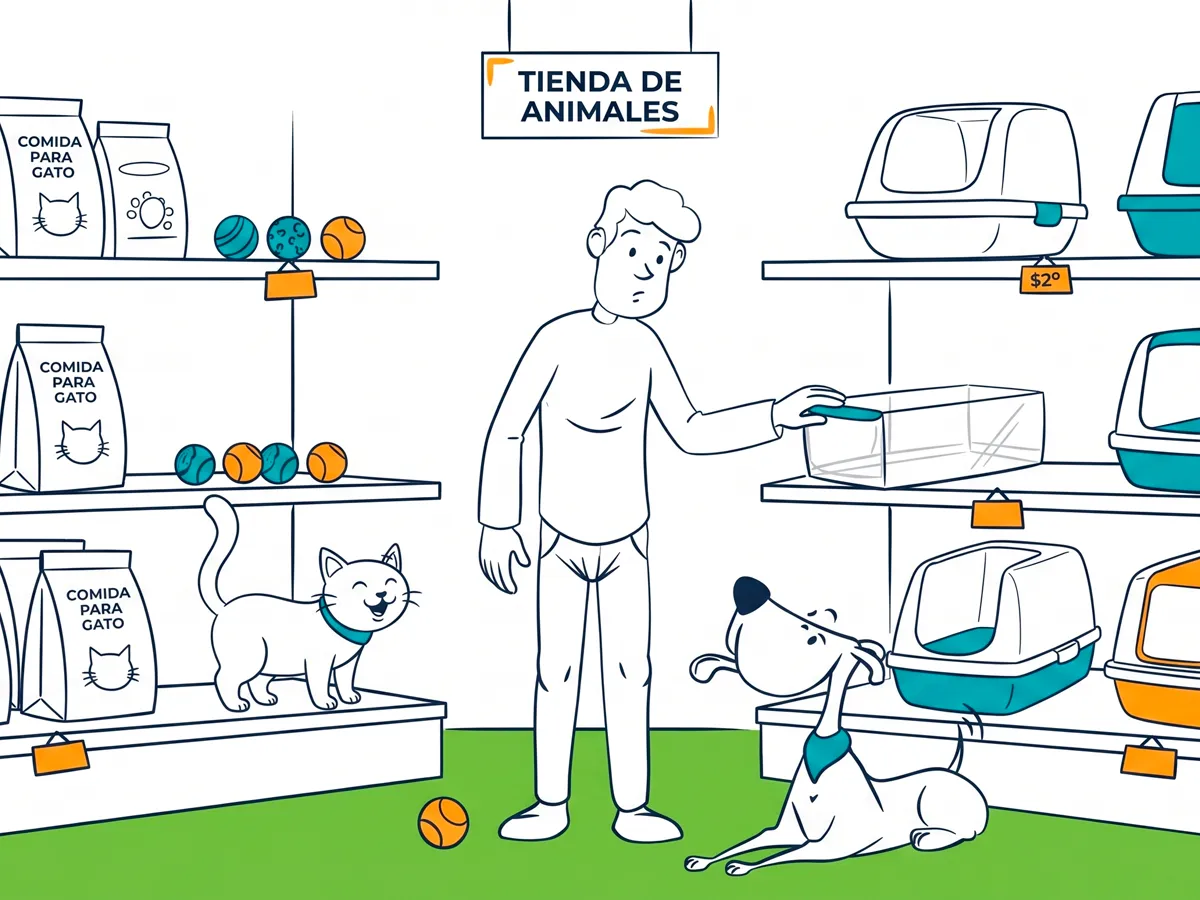
- Resource competition: litter boxes, feeders, vertical space.
- Few play/hunting opportunities or prolonged boredom.
What you can do today
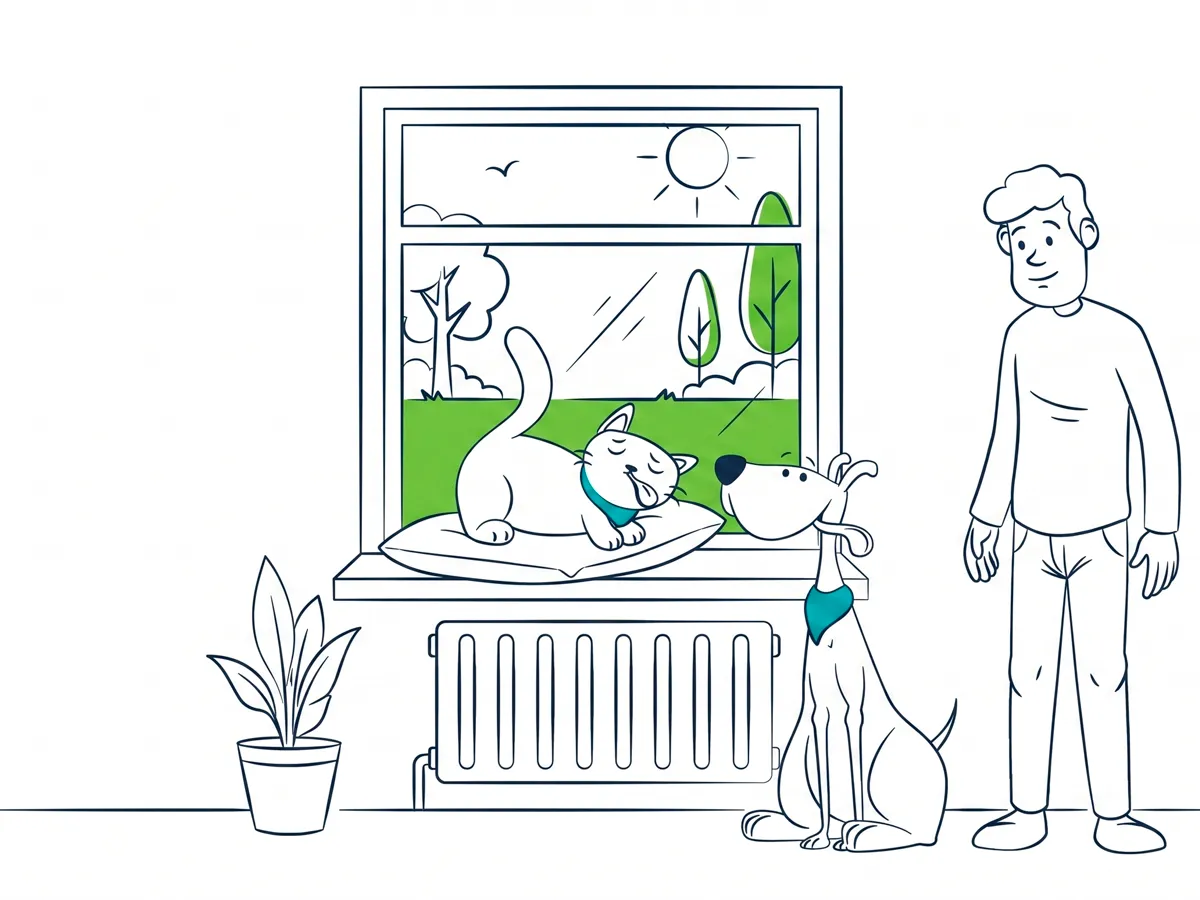
- Set up a safe zone: bed, hideouts, and vertical space (sturdy shelves).
- Distribute resources: multiple feeders/litter boxes in different spots for multi‑cat homes.
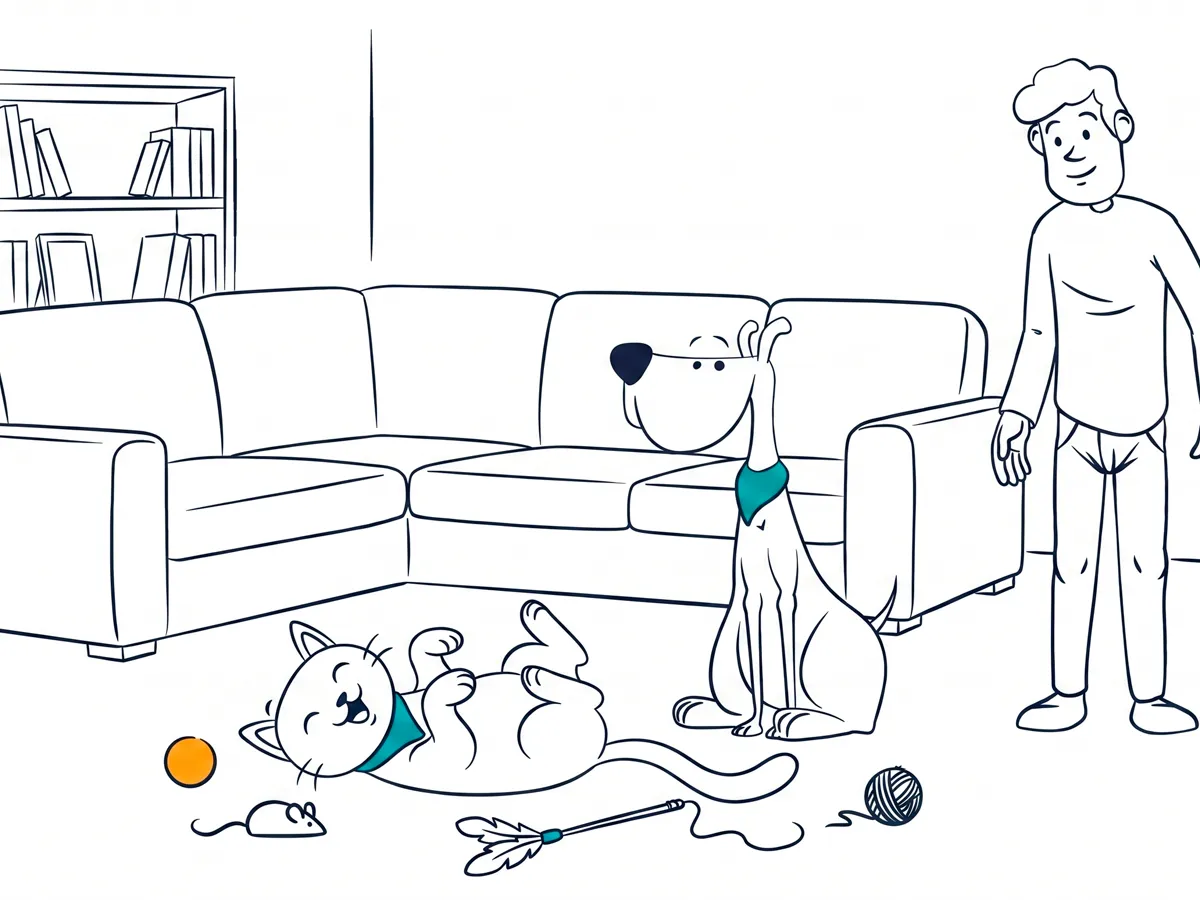
- Schedule 2–3 short play sessions per day with wand or hunting toys.
- Routine: consistent times for meals, play and rest.
To organize routines and reminders, try Miwuki Pet Life: download.
When to seek professional help
- If there are fights, intense avoidance, or health issues in parallel.
- If stress lasts for weeks despite environmental changes.
- If persistent marking or self‑grooming with bald patches appears.
Start with this complementary article on litter‑box use, which often worsens with stress.
Conclusion
Cats handle change better when the environment is predictable and rich in choices. With vertical space, hideouts, play and patience, most will improve. If signs persist or worsen, consult your veterinarian.
Sources
- ISFM/AAFP Feline Environmental Needs Guidelines: https://catvets.com/
- AVMA — Cat behavior resources: https://www.avma.org/