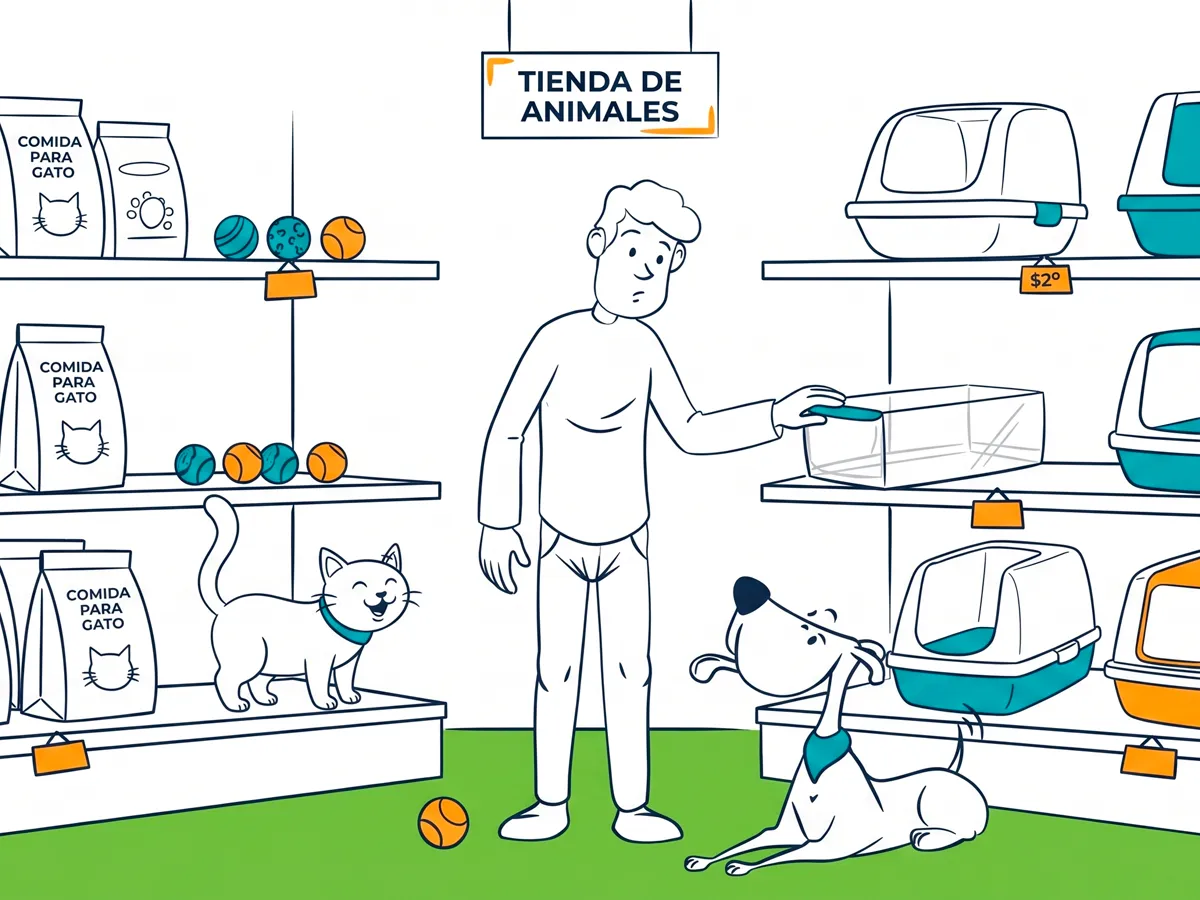
My cat won’t use the litter box: common causes and fixes that work
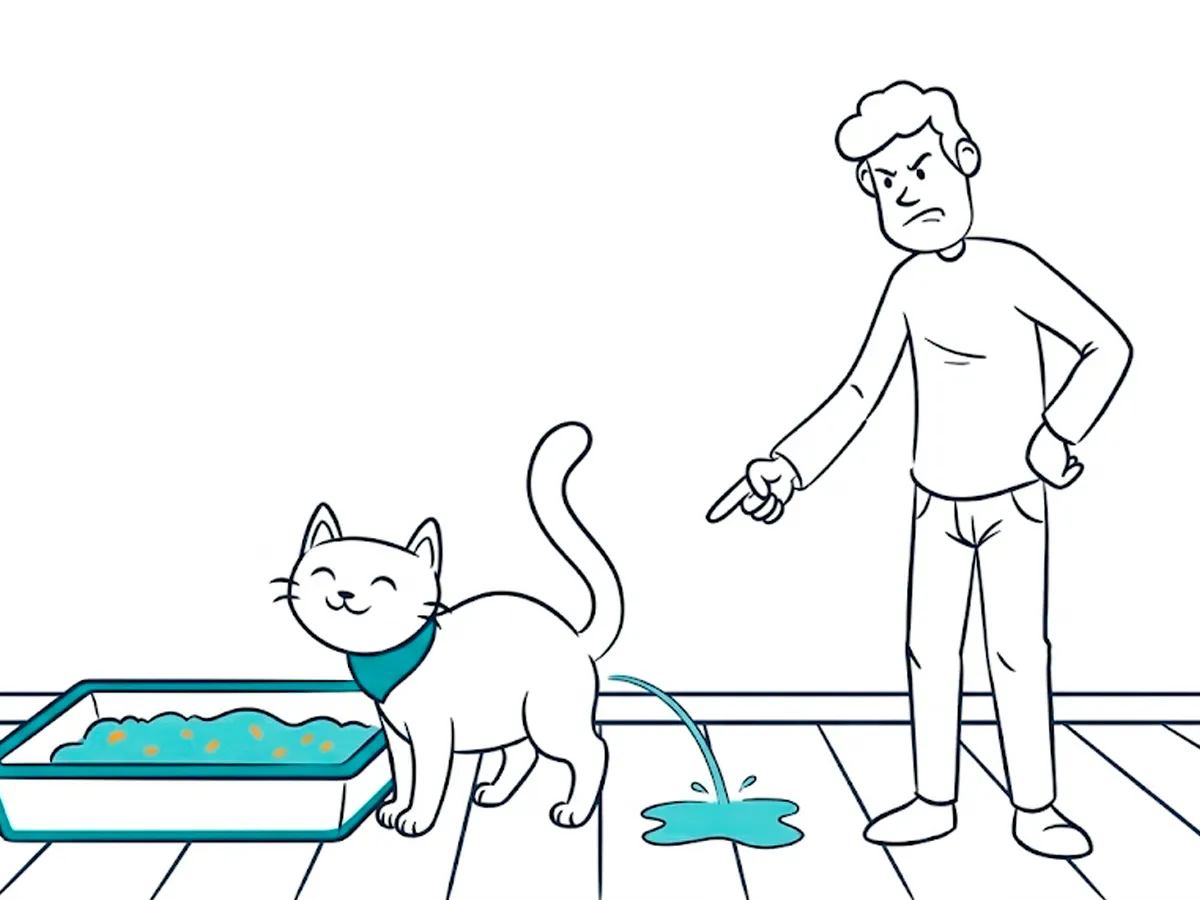
When a cat stops using the litter box, stress in the house can spike fast. And it makes sense: it’s not just “a pee on the sofa”, it’s the feeling that something is out of control. The good news is that there’s almost always a reason—and with the right approach, it’s often fixable.
Let’s get practical.
First step: rule out a medical issue
Before assuming it’s “behavior”, it’s important to rule out issues like pain when urinating, urinary infection, crystals, or constipation. Signs that are worth a vet check:
- Frequent litter box trips with very little urine.
- Crying while urinating or staying in posture for a long time.
- Blood in urine or a sudden change to peeing outside the box.
- Appetite changes, vomiting, lethargy.
If you’re unsure, your veterinarian should be the first filter. And for these situations, tracking patterns helps a lot: Miwuki Pet Life lets you log episodes, timings, and routines: download it here.
Common causes (when health is fine)
1) They don’t like the litter box (even if it looks perfect to you)
Typical reasons:
- Strongly scented litter or a new texture.
- A box that feels too small, or a covered box (some cats feel trapped).
- A noisy or high‑traffic location with little privacy.
2) Cleanliness (or cleaning “at the wrong moment”)
Many cats are picky. If the box feels dirty, they look for an alternative. Sometimes “kind of dirty” is enough for them to decide it’s unacceptable.
3) Stress or changes at home
Moving, renovations, visitors, a new pet, routine changes… Cats often somatize stress. Peeing outside can be their way of saying “I’m not okay”.
Fixes that often work (checklist)
1) Adjust the litter box setup
- Try a larger, easy‑access box.
- If you use a lid, test a few days without it.
- Switch to a neutral, clumping litter (unscented).
2) Reconsider the location
Place it somewhere quiet, away from noise and foot traffic, with an easy exit route.
3) If you have multiple cats, increase options
More than “one box per cat”, the idea is to reduce competition for the resource. If there’s tension, the litter box can become a conflict zone.
4) Strategic cleaning
- Scoop daily.
- Clean with neutral products (avoid ammonia).
- If they’ve already peed outside, clean thoroughly to remove odor and reduce repeat marking.
If you also notice vomiting or digestive changes, read: cat vomit colors.
Conclusion
When a cat avoids the litter box, it’s rarely “spite”. It’s usually health, stress, or very specific preferences. Start by ruling out medical causes, then adjust box/litter/location and observe changes. With a methodical approach, most cases improve.
Sources
- Cornell Feline Health Center: https://www.vet.cornell.edu/departments-centers-and-institutes/cornell-feline-health-center