How to choose a litter box for cats: types, sizes and tips to encourage use

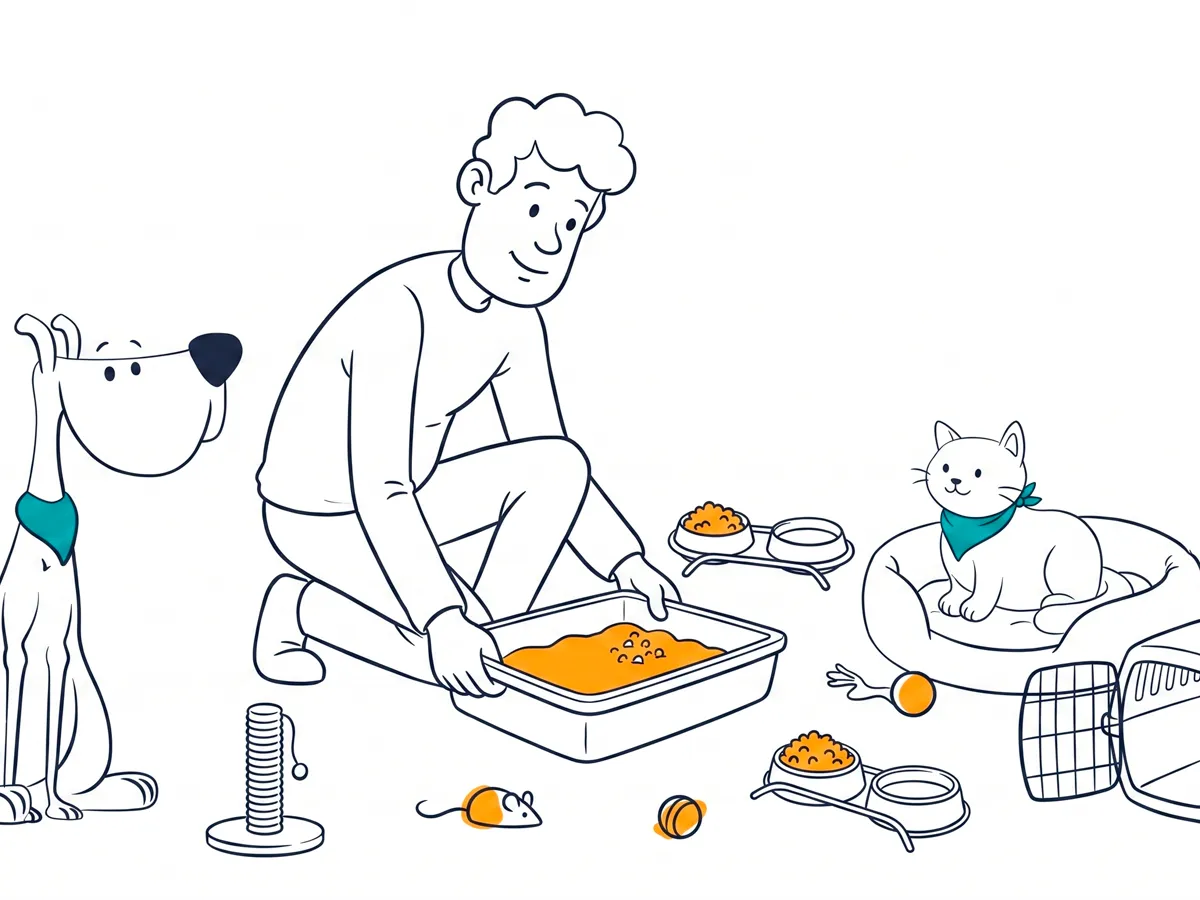
Choosing the right litter box and placing it correctly prevents many hygiene issues and stress. Here’s the essential checklist to get it right the first time.
Size and shape matter
- Go large: as a rule, 1.5× your cat’s nose‑to‑base‑of‑tail length.
- Edges: lower for seniors or cats with reduced mobility; higher if scatter is a problem.
- Covered vs open: in general, open works best for ventilation and comfort.
How many litter boxes?
Multi‑cat homes: aim for one per cat + one extra. Spread them across different areas to avoid “traffic jams”.
Location: quiet and accessible
- Away from food and sleeping areas.
- No loud appliances (washer, boiler) or heavy foot traffic.
- Avoid overly hidden corners for insecure cats; they should enter and exit without feeling trapped.
Litter: start simple
- Unscented, clumping, fine‑grained is often a good baseline.
- Make changes gradually: mix 25–50% for several days before a full switch.
- Scoop daily; full changes per manufacturer guidance and usage.
If your cat has stopped using the litter box, check this step‑by‑step guide: not using the litter box.
Tips to encourage use
- Quietly reward after use (play or gentle petting).
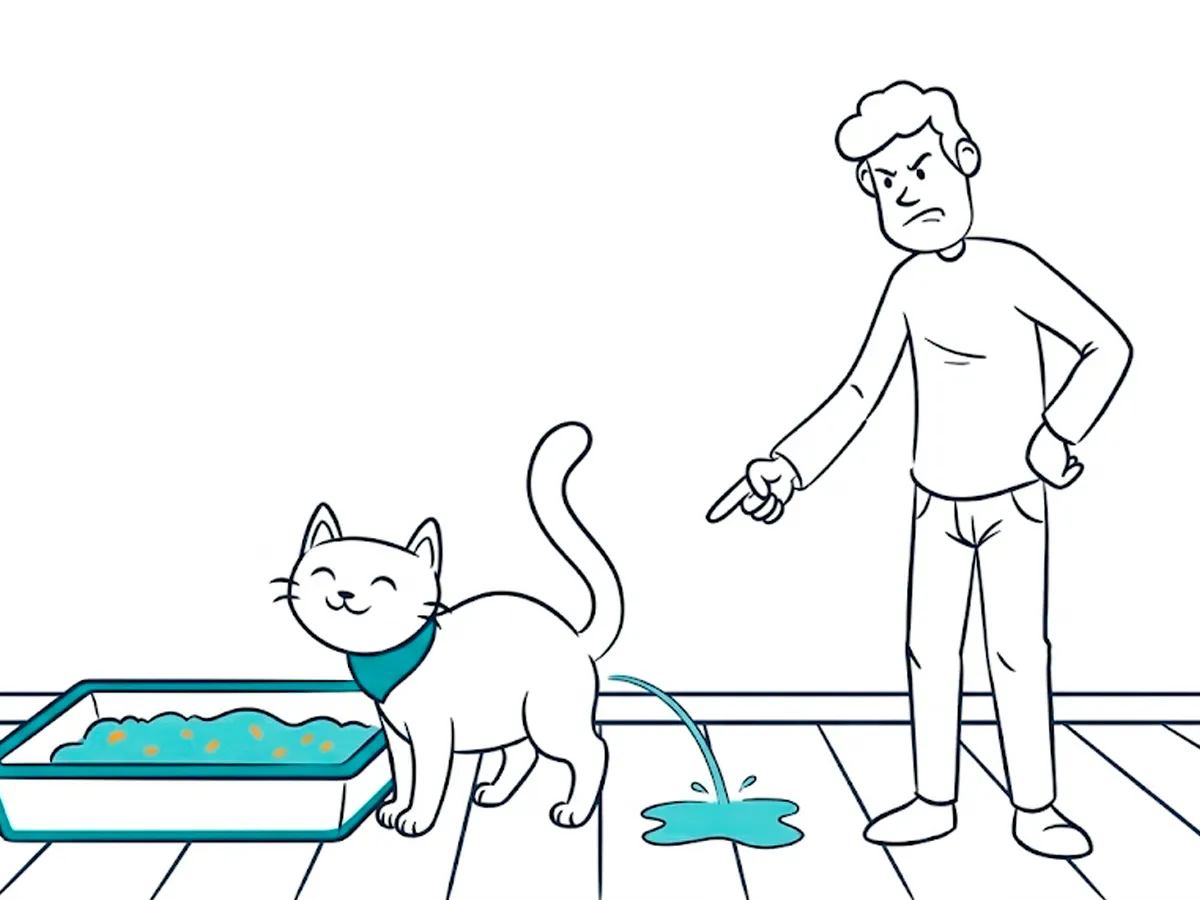
- Avoid scolding or carrying them into the box: it increases rejection.
- If marking occurs, see your veterinarian to rule out medical causes and consider a behavior professional.
Conclusion
A roomy box, good placement and simple litter solve most issues. With gradual adjustments and a little patience, most cats return to consistent use without complications.