How to prepare your home to adopt a cat: a room‑by‑room checklist
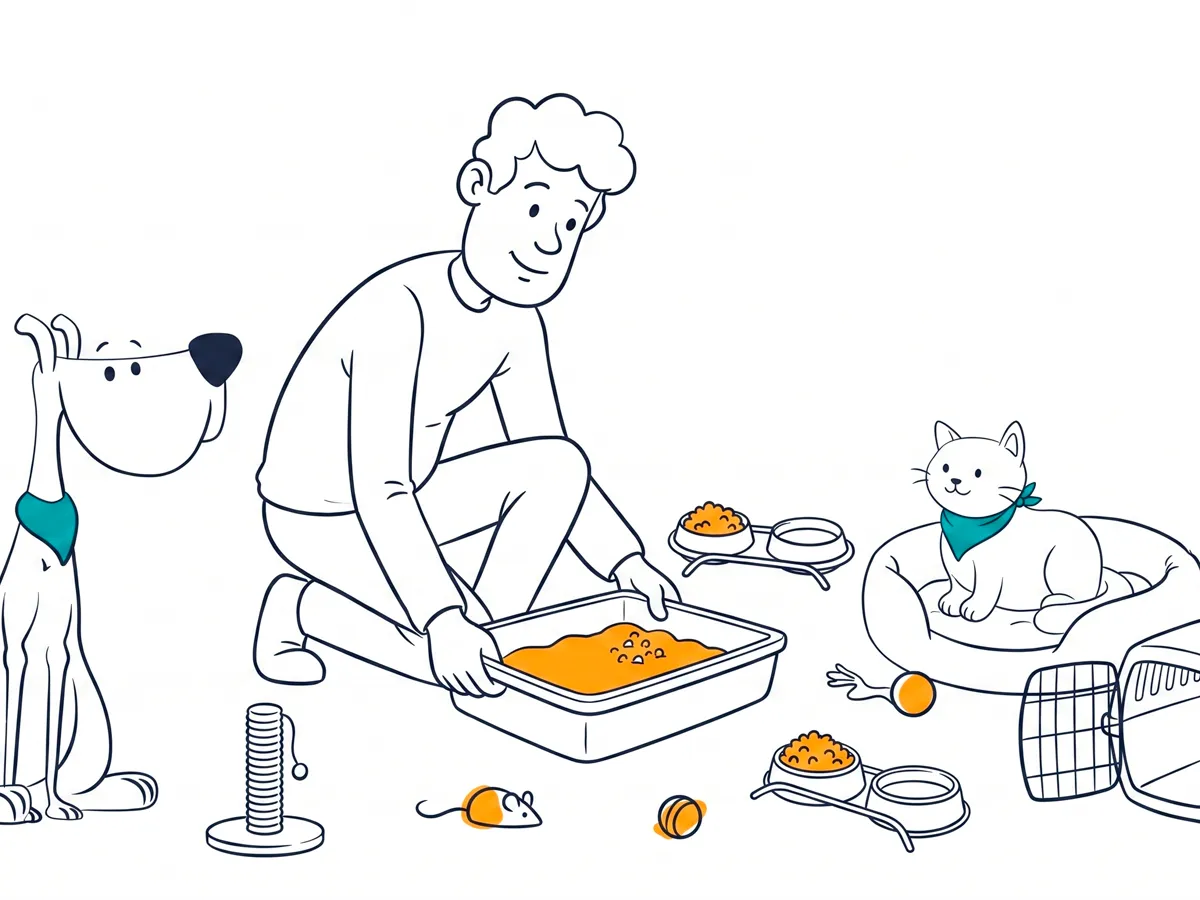
Adopting a cat is exciting—and it’s also a small “home project”. A prepared environment reduces stress, prevents accidents, and speeds up adaptation. Here’s a practical, room‑by‑room guide to get everything ready before arrival.
Core principles for a smooth transition
- Safety first: protected windows, tidy cables, non‑toxic plants.
- Less is more: at first, limit access to one quiet room with a stable setup.
- Predictable routine: food, litter and rest in fixed spots from day one.
- Time and patience: every cat has their own pace; avoid big changes in week one.
Safe starting room (their “base camp”)
- Prepare a quiet room with a bed/blanket and hideouts (box/tunnel).
- Place the litter box away from food and sleeping areas.
- Add a vertical scratcher and, if possible, a horizontal one.
- Avoid sudden noises: loud music, lots of visitors, or slamming doors.
To keep reminders (meals, playtime, appointments) in one place, try Miwuki Pet Life: download free.
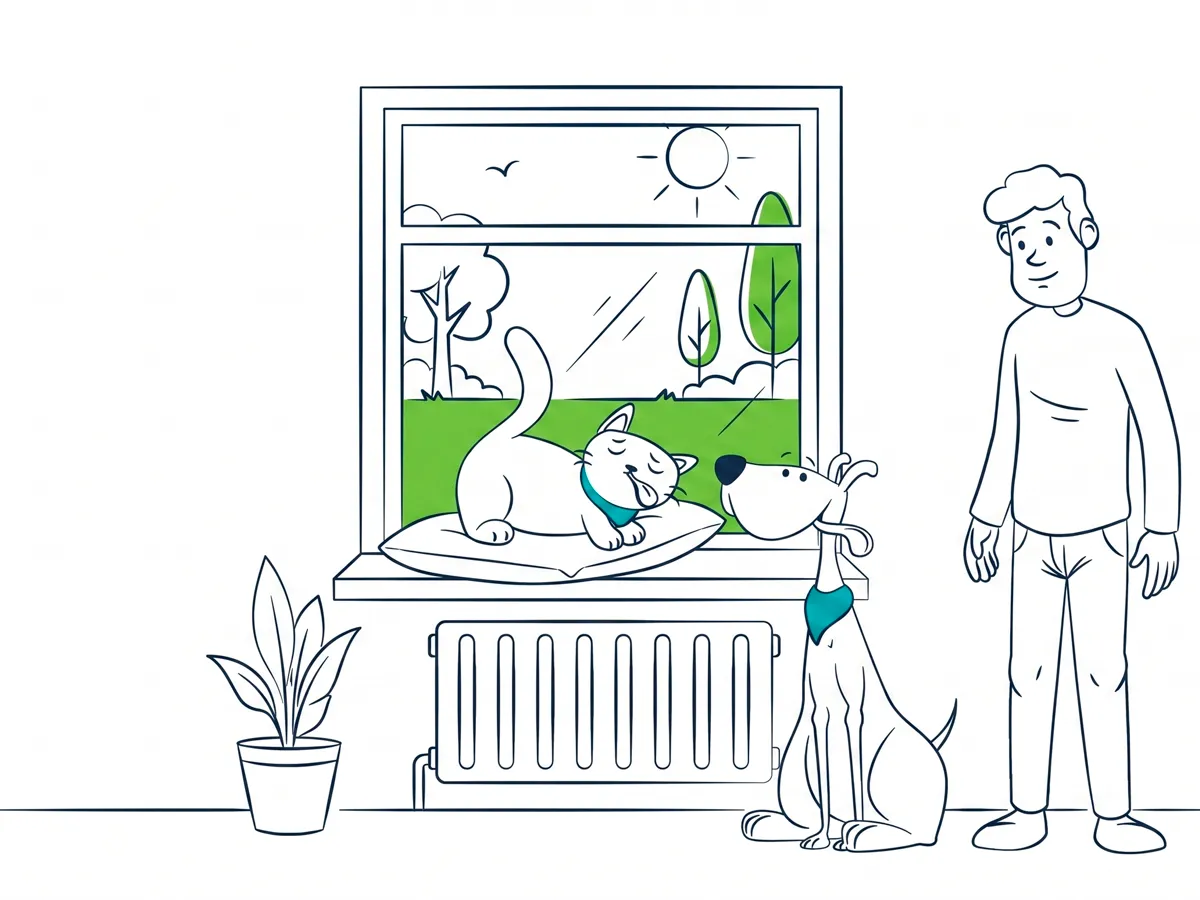
Windows and balconies: screens and latches
Falls do happen, even with “always cautious” cats. Install:
- Sturdy screens or latching systems on openable windows.
- Nets on balconies/terraces. Check tension and anchoring regularly.
- Never leave tilt windows open unsupervised: a cat can get trapped.
Litter box: size, location and litter
- Size: the larger the better; your cat should turn and cover without spilling.
- Location: a calm spot, away from heavy foot traffic and appliance noise.
- Litter: start with unscented clumping; you can test others later.
- One litter box per cat + one extra in multi‑cat homes.
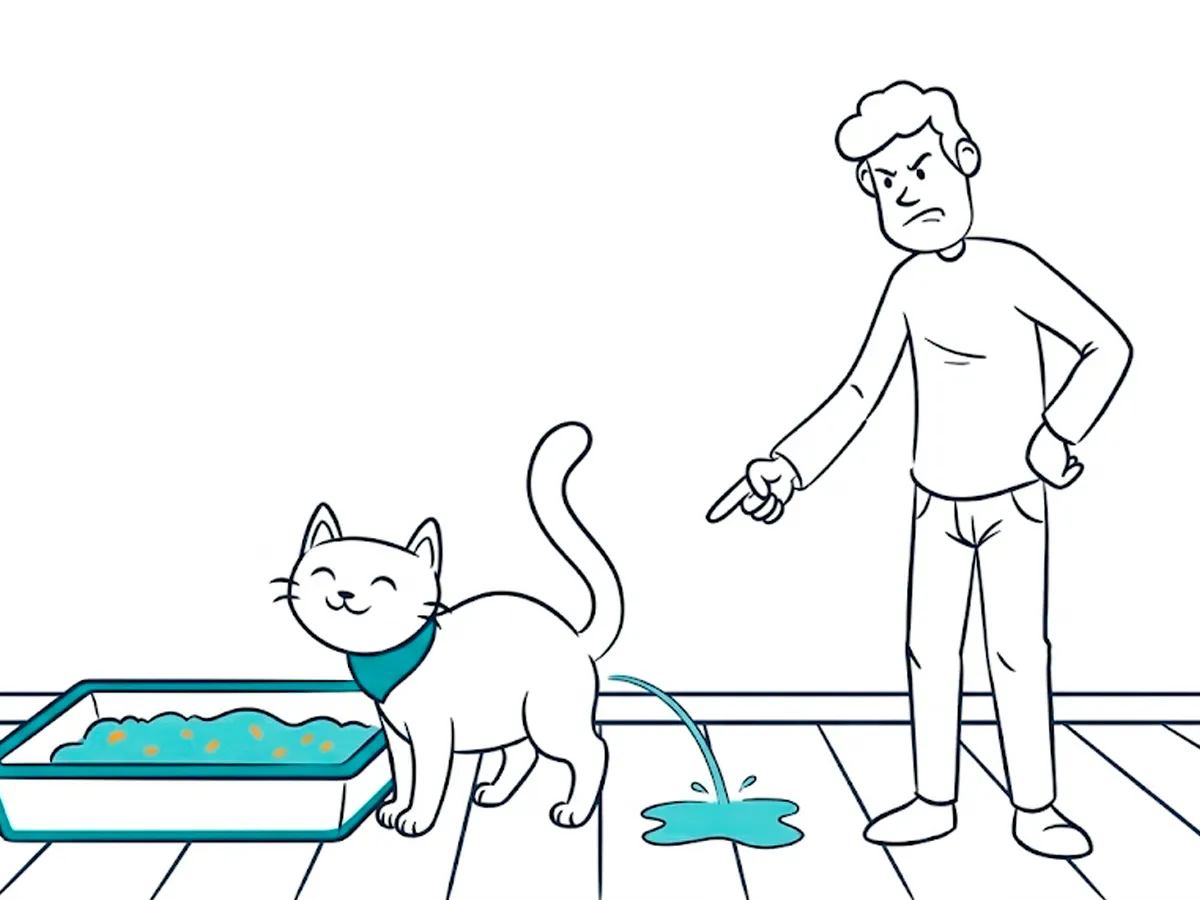
If your cat stops using the litter box, see this problem‑solving guide: not using the litter box.
Scratchers and vertical space
- A stable vertical scratcher near busy and resting areas.
- Shelves or safe platforms to climb; vertical space reduces stress and conflict.
- Reward with play when used: that builds the habit from day one.
Kitchen and living room: cables, bags and temptations
- Tidy cables with conduits or ties; watch curtain cords and hanging strings.
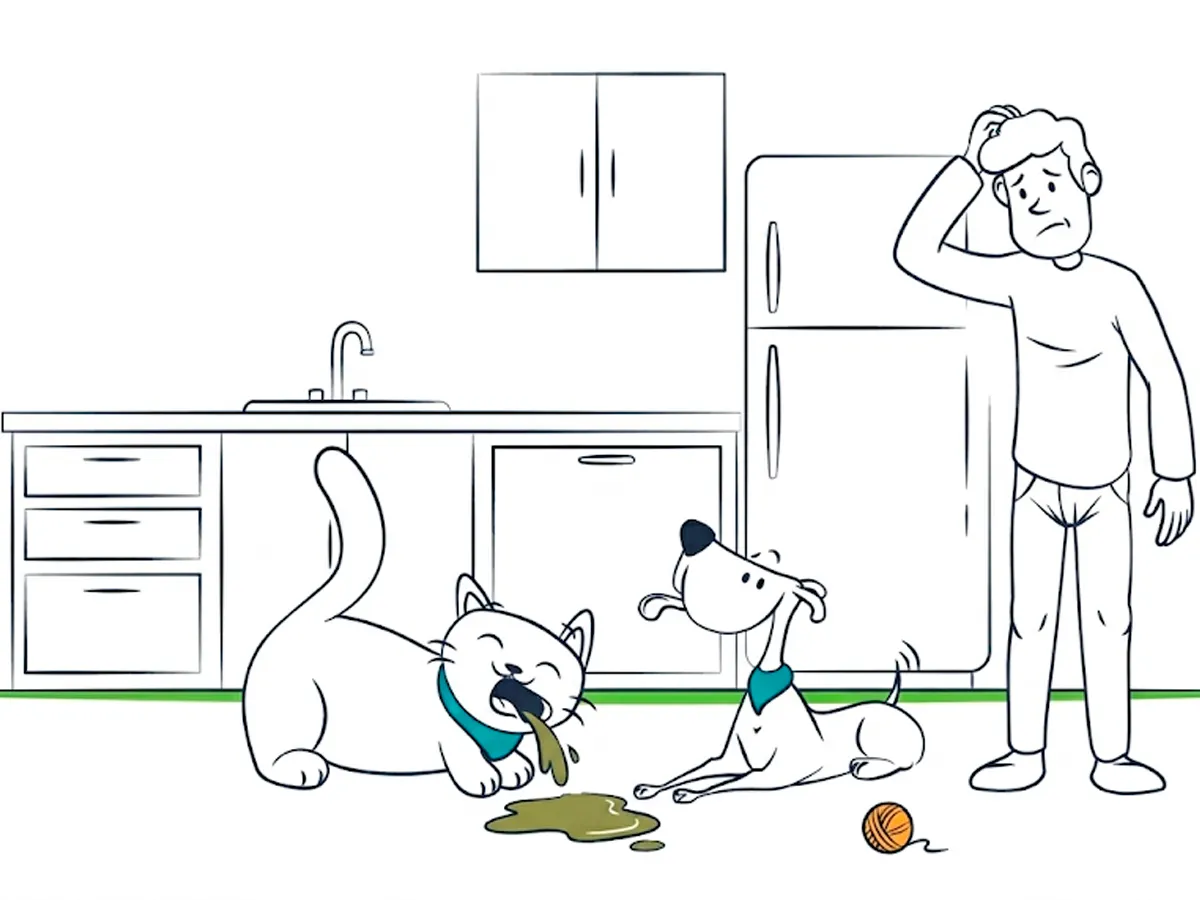
- Put away plastic bags and rubber bands (ingestion risk).
- Remove potentially dangerous foods (chocolate, onion, garlic, grapes).
Safe and unsafe plants
Some common plants can be toxic (lilies, dieffenbachia, pothos). If unsure, keep them out of reach or in an inaccessible room. If ingestion or symptoms occur, contact your veterinarian.
First 48 hours: calm and observation
- Keep other rooms closed; let them explore their base at their own pace.
- Make short, quiet visits; don’t force them out of hiding spots.
- Play gently 2–3 times a day and offer meals on a regular schedule.
- If living with other pets, introduce scents by swapping blankets before face‑to‑face.
Useful links and next step
- If you’re in the adoption process, this adoption checklist helps.
- For general wellbeing and routine tips, visit Miwuki Pet Center.
Conclusion
Good preparation avoids mishaps and helps your new companion feel safe from day one. Start with a calm room, control windows and cables, and build a simple routine. With time and care, the rest follows naturally.