How to adopt a dog or cat: a checklist to choose well and prep day one
Adopting is a beautiful decision—and a real change to your daily life. If you want it to go well, the secret isn’t “getting lucky”. It’s asking good questions, preparing your home, and understanding that adjustment takes time.
Here’s a complete, easy checklist to adopt a dog or cat responsibly (with your head and your heart).
Before choosing: real fit with your routine
Ask yourself these questions without guilt:
- How many hours will they be alone each day?
- Are there kids, cats, other dogs, older adults at home?
- Apartment or house? Elevator? Nearby walking areas?
- Do you want a calm companion or a high‑energy one?
Responsible adoption starts here: choosing what you can truly sustain.
Key questions to ask (non-negotiable)
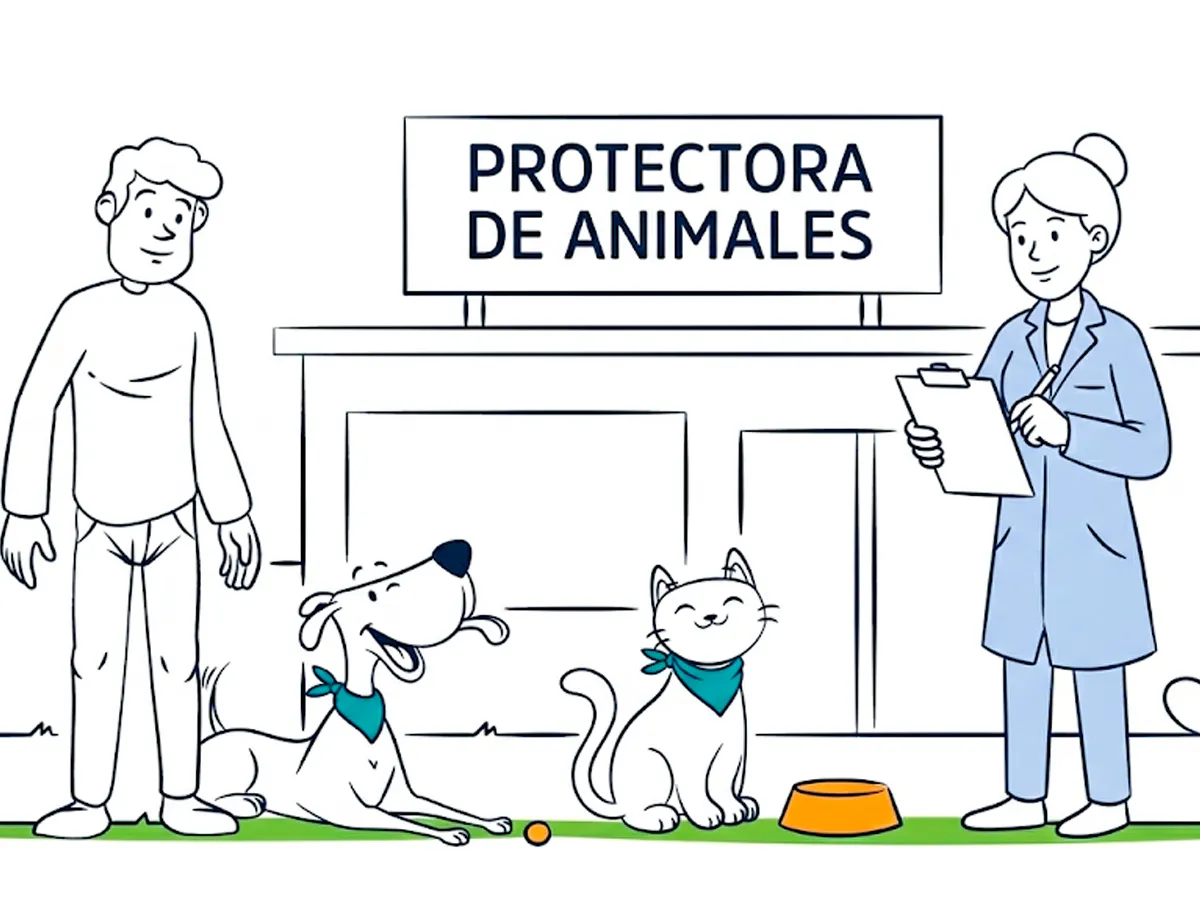
Whether you adopt through a shelter or from a private person, try to clarify:
- Vet history (vaccines, deworming, microchip, spay/neuter if applicable).
- Behavior at home and outdoors (fears, reactivity, handling).
- Compatibility with other animals and people.
- Current routines (food, walks, litter box, schedule).
If the pet comes from rescue, some details may be unknown. That’s okay—the key is honesty and an adjustment plan.
Red flags (to avoid trouble)
- Pressure to decide “right now” without time to think.
- Inconsistent information or changing stories.
- Refusing any basic contract or follow‑up (when appropriate).
In adoption, rushing is rarely your friend.
Home checklist: essentials before they arrive
For a dog
- Leash and a well‑fitting harness/collar.
- Food and water bowls, bed.
- A quiet resting area.
- Cleaning supplies for accidents (just in case).
For a cat
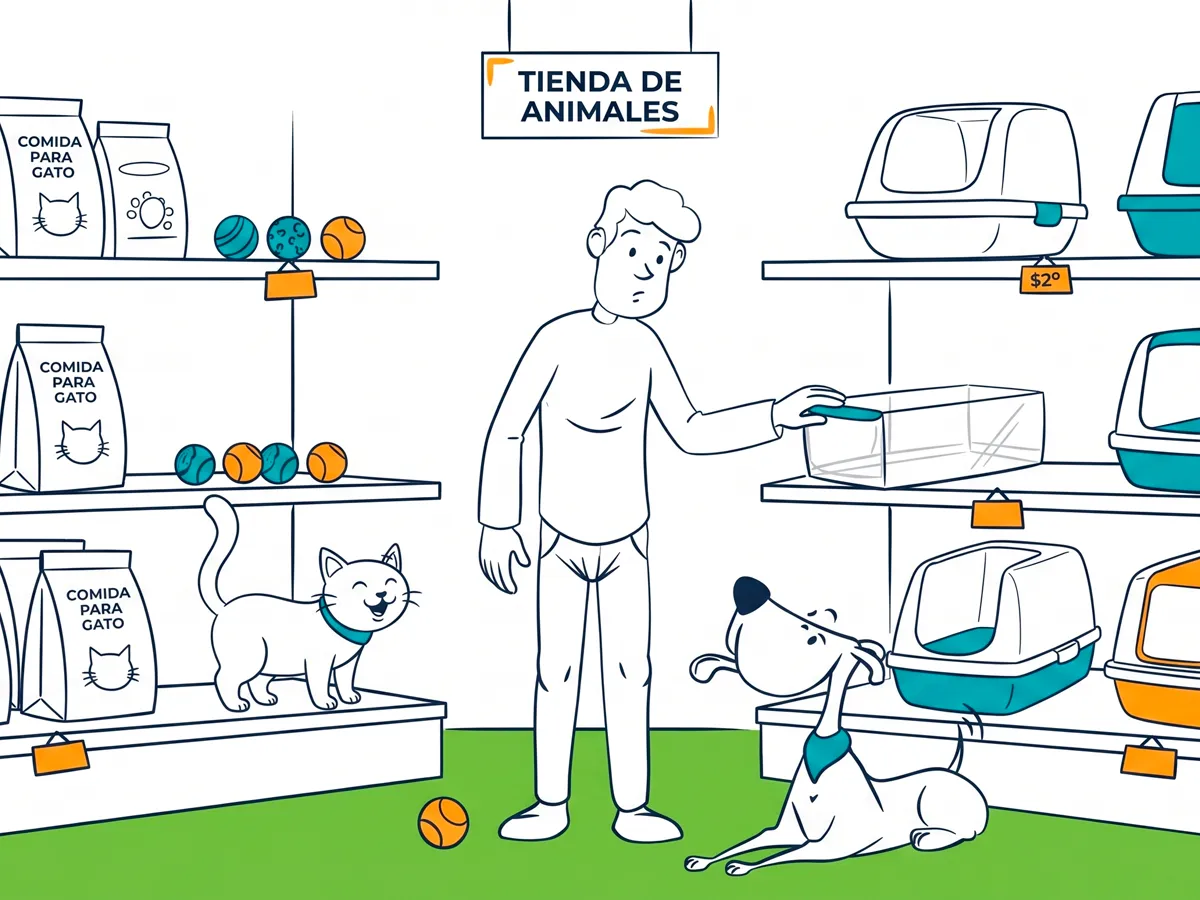
- Litter box and litter (unscented is often a safe start).
- Scratcher and hiding spots.
- Carrier.
- Food and water in a calm area.
To organize shopping, reminders, and first‑month routines, Miwuki Pet Life helps you keep everything in one place: download it here.
Day one: less is more
- Keep the environment calm and limit visitors.
- Let them explore at their pace.
- Set a “safe zone” (especially for cats).
- Keep routines simple: food, rest, walk/litter, calm.
The first month: realistic expectations
It’s normal to see:
- Fear, uncertainty, occasional accidents.
- Appetite or sleep changes.
- “Good days” and “weird days”.
If behavior issues show up, start by ruling out physical causes and seek professional help if needed.
If you need to rehome a pet and want to do it safely, here’s Miwuki’s guide: give up your pet for adoption.
For basic care planning, you may also like: deworming and parasite prevention.
Conclusion
Adoption goes better when you prepare calmly: clear questions, a ready home, and a simple adjustment plan. Do that, and you massively improve the chances of building a lifelong bond.