Internal and external parasite prevention: a clear guide for dogs and cats
If you’ve searched “how often should I deworm my pet?” and ended up with more questions than answers, you’re not alone. Between spot‑ons, tablets, collars, “internal”, “external”… it’s easy to get overwhelmed. The key idea is: there isn’t one perfect schedule for everyone, because it depends on where you live and your dog or cat’s lifestyle.
Let’s break it down.
Internal vs. external parasite prevention (the quick difference)
- Internal: targets intestinal worms and other internal parasites. Some can affect people too, so it’s a family health topic.
- External: protects against fleas, ticks and—depending on your area—other vectors that can transmit disease.
Most plans combine both, but with products and timing your veterinarian tailors to your situation.
Signs that may raise suspicion (but sometimes there are none)
With internal parasites you might notice:
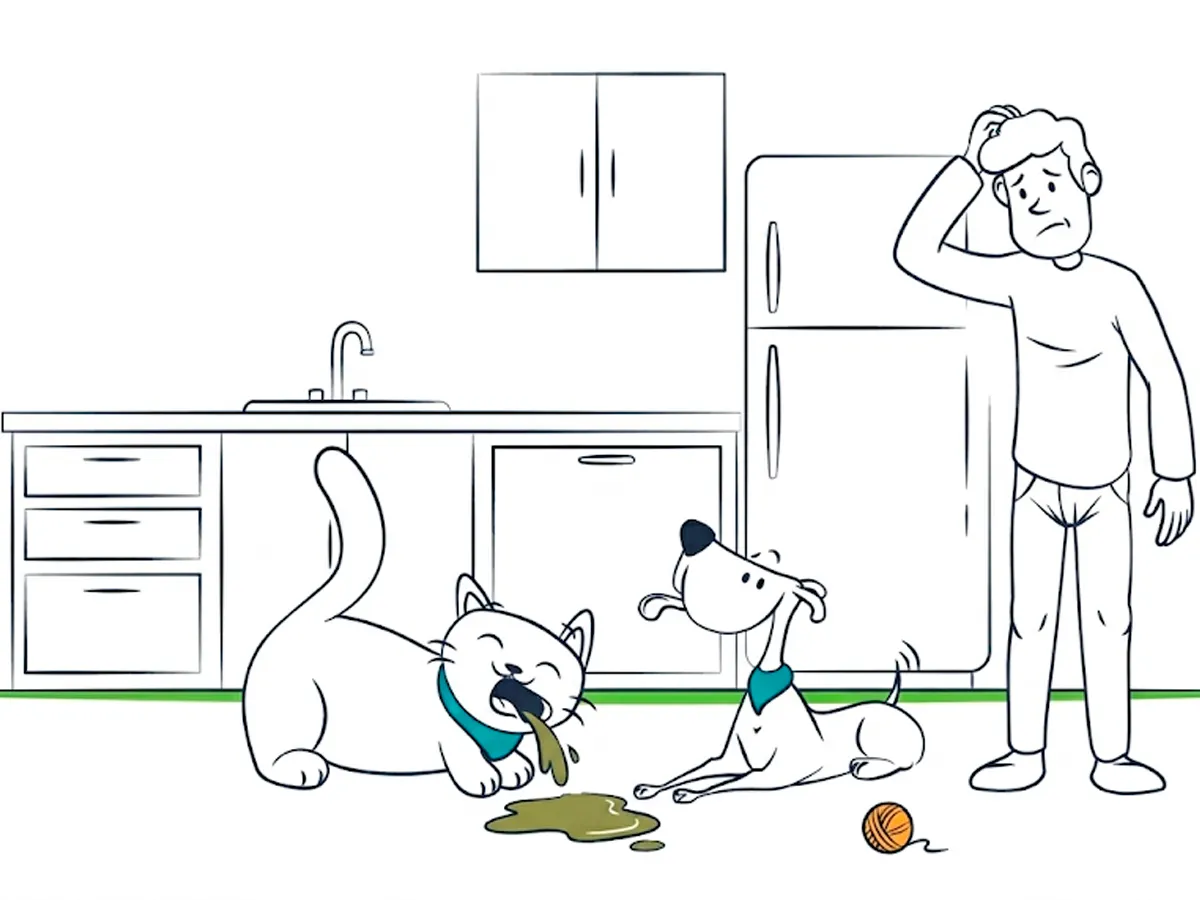
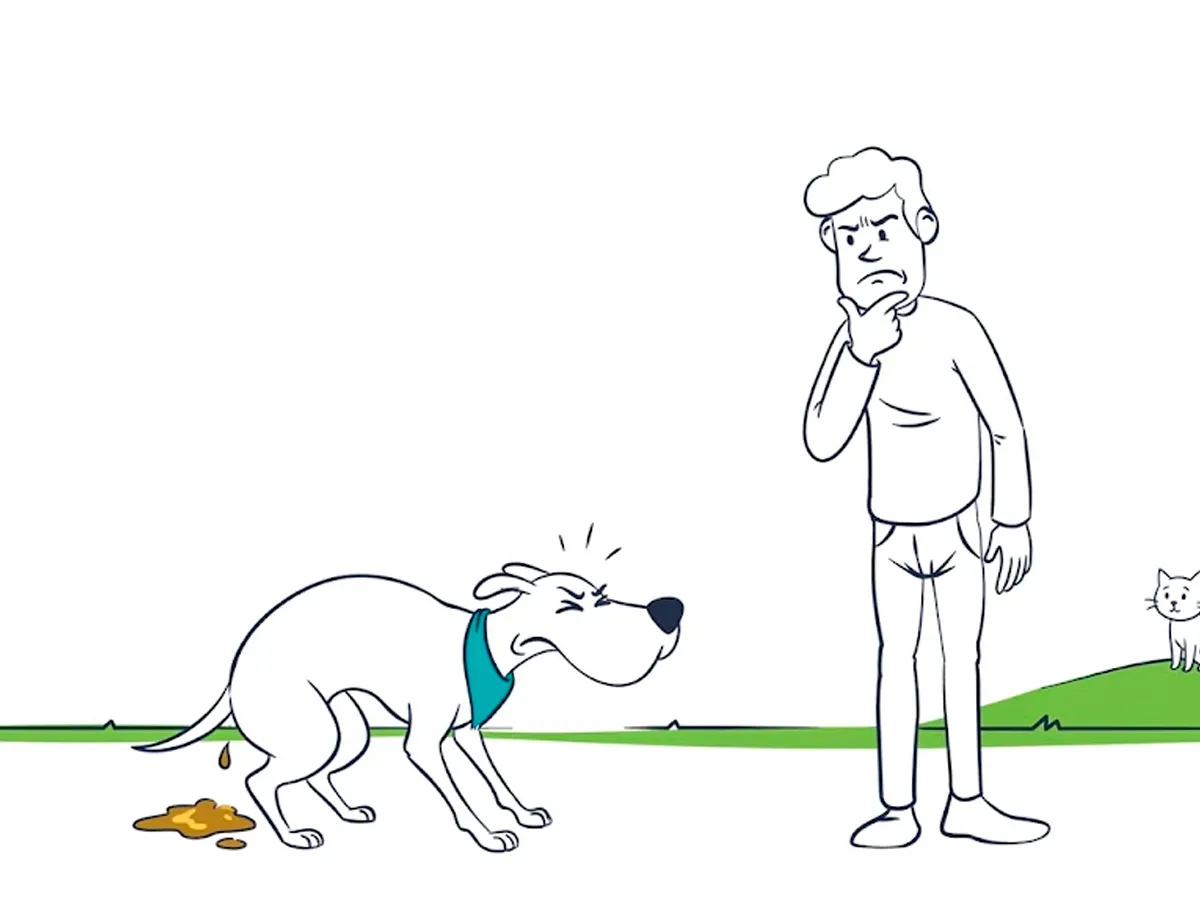
- Diarrhea, weight loss, or a “pot‑belly” look in puppies/kittens.
- Vomiting, low energy, or mucus in stool.
With external parasites it’s often more obvious:
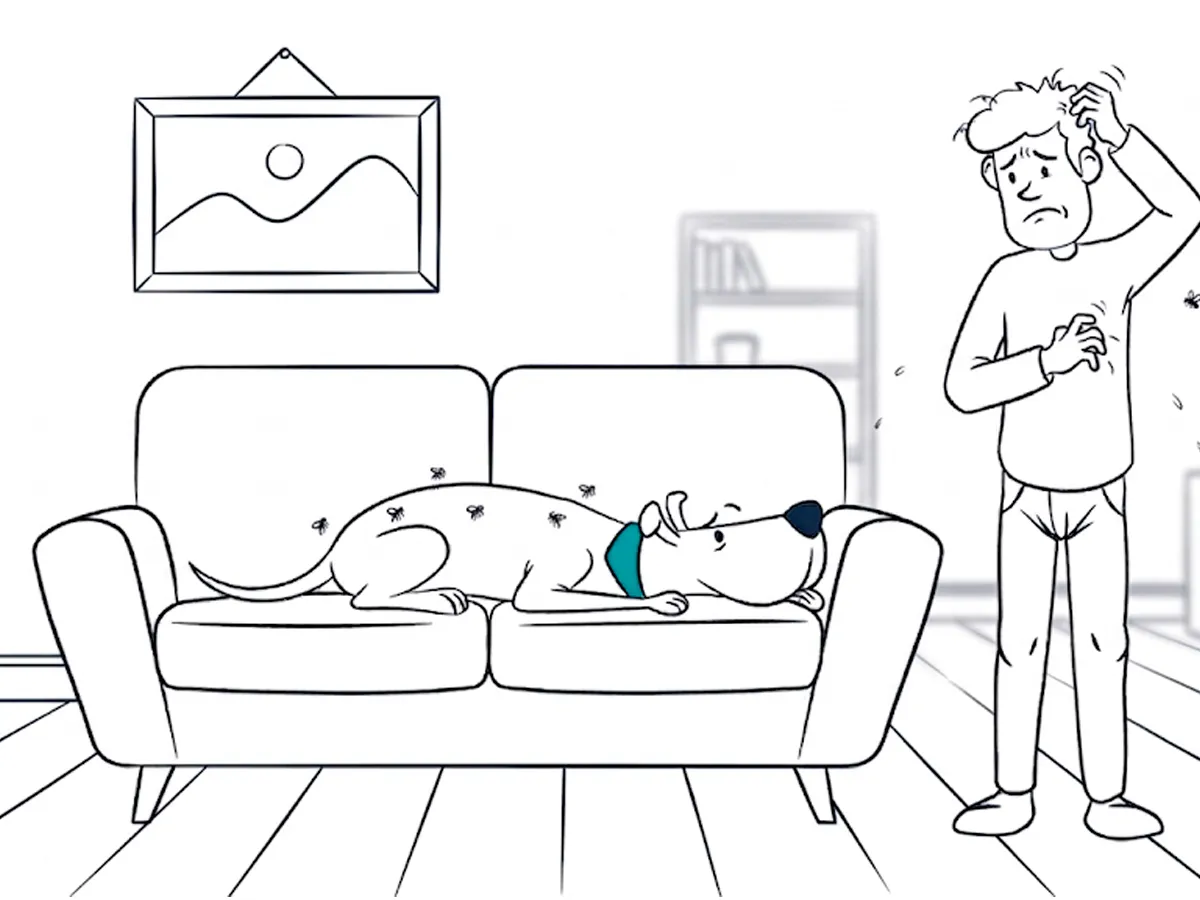
- Intense scratching, scabs, bumps, hair loss.
- Fleas/ticks, or “black pepper” specks (flea dirt).
But an important point: pets can carry parasites and look “totally fine”. That’s why prevention is often the safest approach.
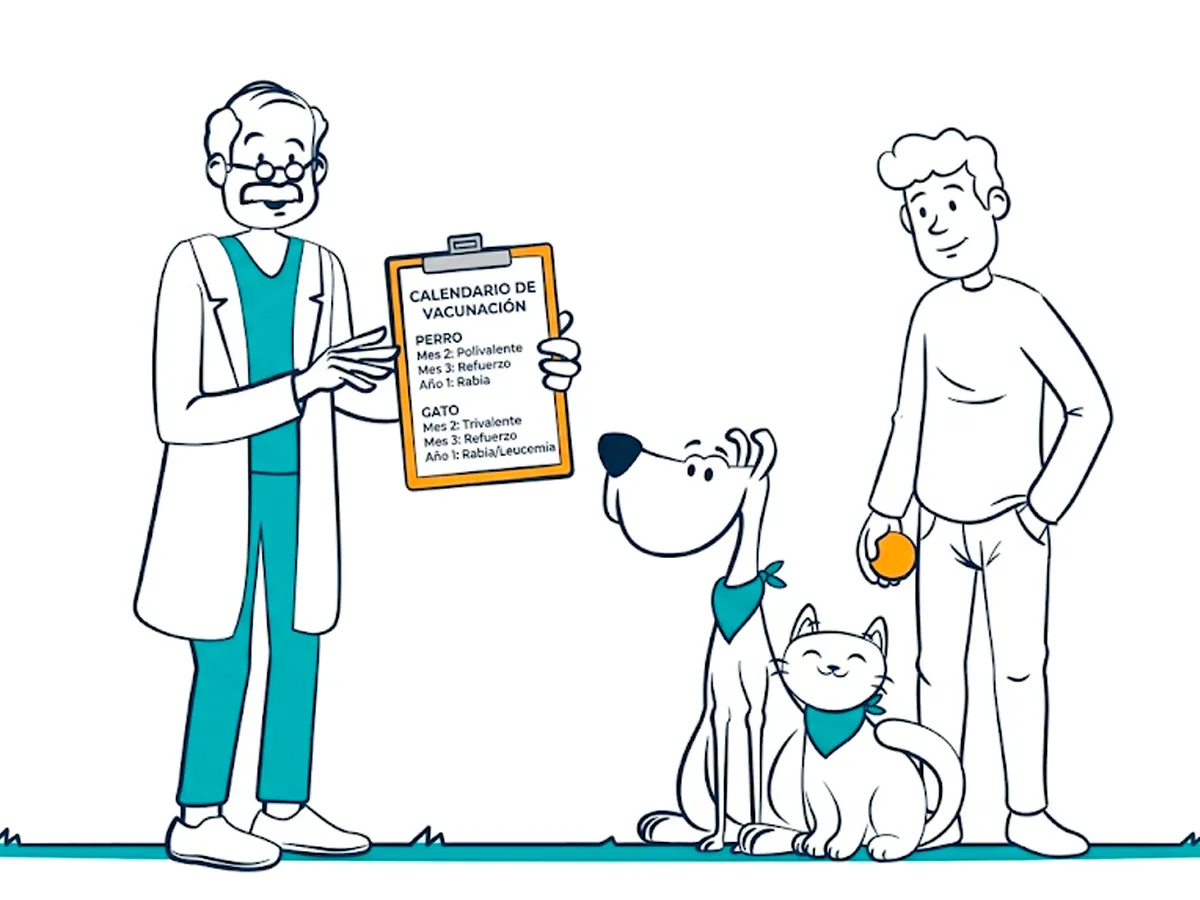
How to build a realistic plan with your vet
In clinic, your vet will usually consider:
- Age (young pets, seniors).
- Outdoor exposure (parks, countryside, boarding/daycare, other animals).
- Household context (kids, pregnancy, immunocompromised people).
- Local geography and seasonality.
To keep everything organized, Miwuki Pet Life helps with reminders and treatment logs: download it here.
Common mistakes (and how to avoid them)
1) “I only do it in summer”
Depending on where you live, some risks don’t stop with the seasons. Ask your vet about your local reality.
2) Choosing the “strongest” product
More isn’t better. Each product has indications, and your vet can help you choose what fits your pet’s needs.
3) Forgetting the environment
Prevention isn’t only the product:
- Vacuum and wash bedding if fleas are present.
- Check fur after outdoor walks (especially ears, neck, armpits).
For a focused guide, you may also like our article on fleas and ticks.
When it makes sense to seek advice sooner
- If you find attached ticks and you’re not sure how to remove them safely.
- If there’s ongoing diarrhea or lethargy (especially in young pets).
- If you have kids or vulnerable people at home and want to adjust prevention.
For those unexpected visits, having a safety net can help. Consider Miwuki’s veterinary insurance: pet insurance.
Conclusion
Parasite prevention is less “one fixed recipe” and more “a plan adapted to real life”. Coordinate with your veterinarian and keep it written down—staying consistent becomes much easier.
Sources
- ESCCAP (parasite control guidelines): https://www.esccap.org/
- CAPC (Companion Animal Parasite Council): https://capcvet.org/
- CDC (tickborne diseases): https://www.cdc.gov/ticks/