Fleas and ticks: how to remove them and prevent them (dogs and cats)
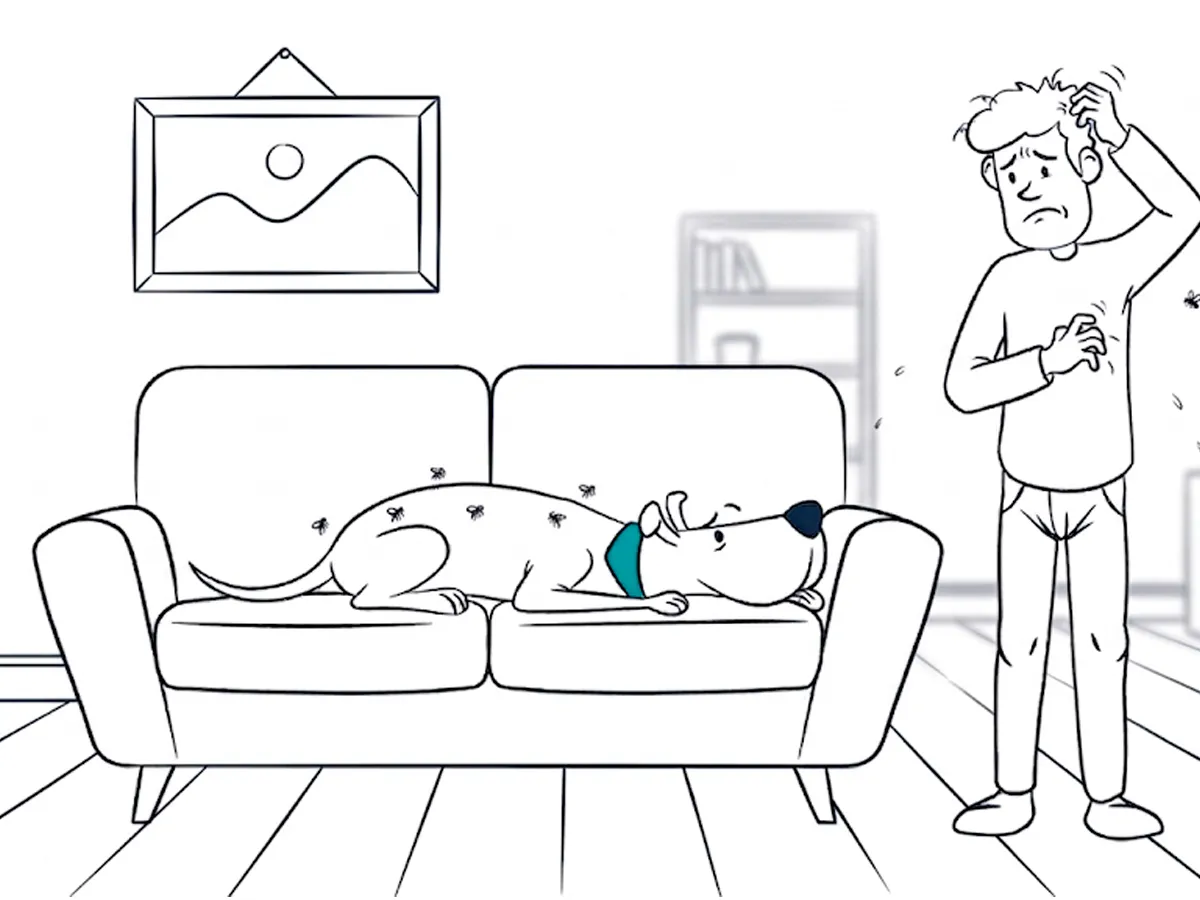
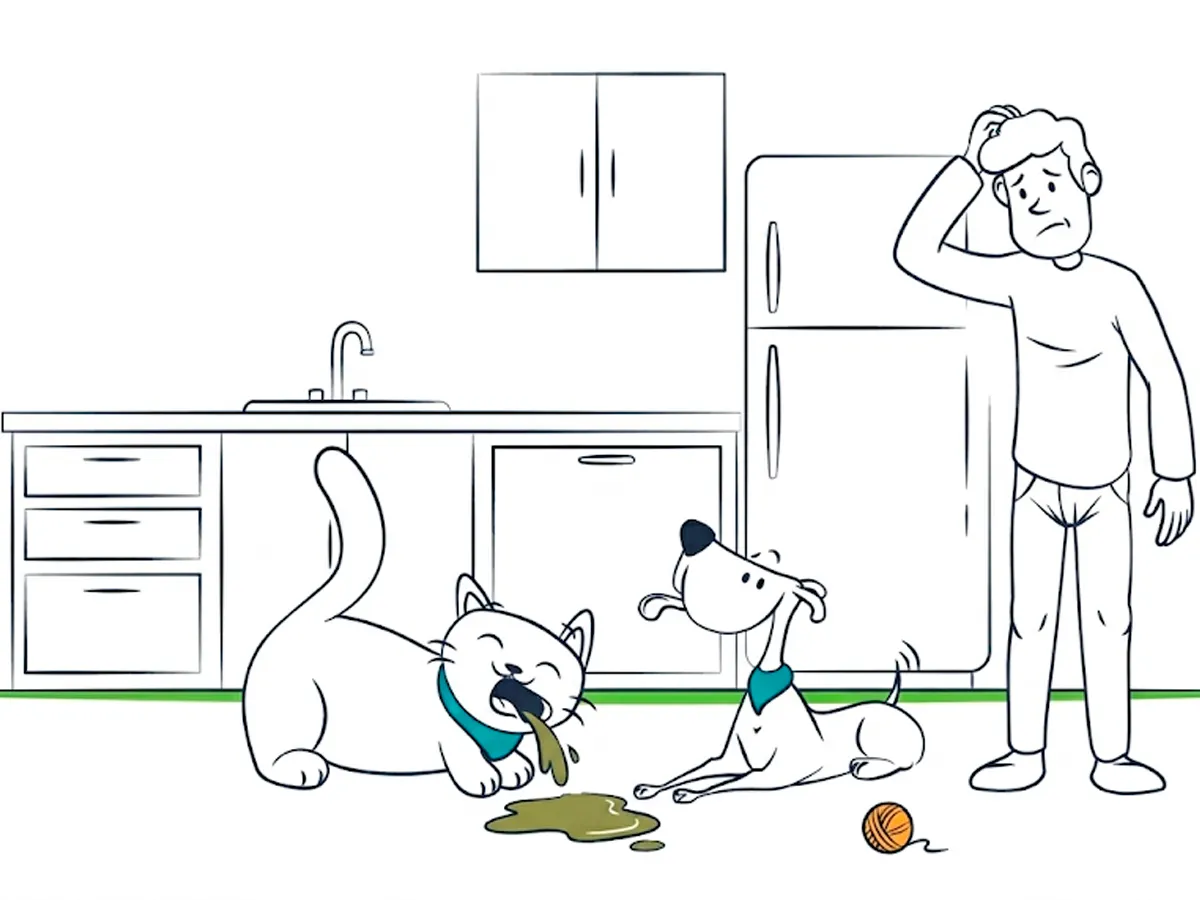
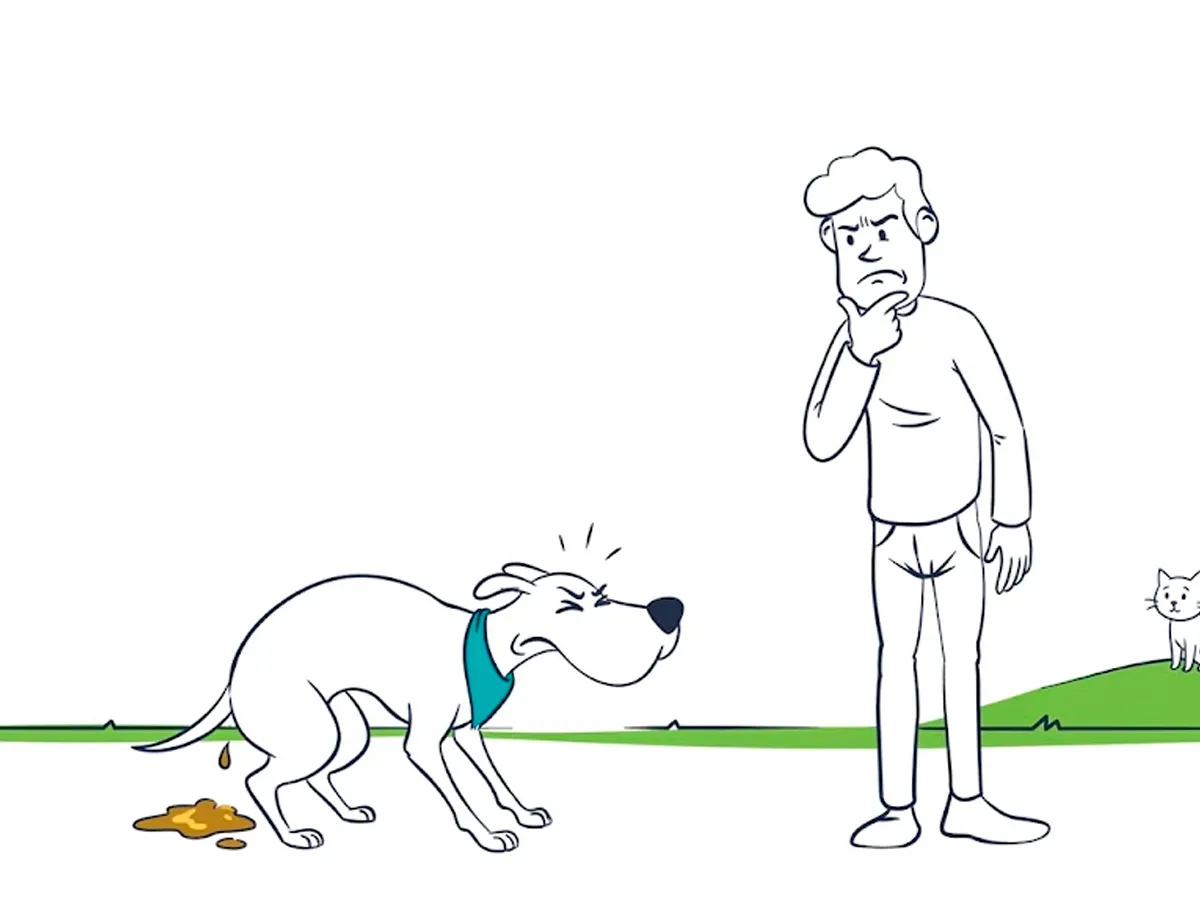
Fleas and ticks have a “superpower”: they show up right when you thought everything was under control. Sometimes it starts with scratching, other times you spot a tick on the neck out of nowhere. And the question is immediate: how do I fix this properly, and how do I prevent it from coming back?
Here’s a practical guide—no panic, no magic cures.
How to tell if your pet has fleas
Common clues:
- Intense scratching, especially over the back and base of the tail.
- Red, irritated skin or small scabs.
- “Black specks” in the coat (flea dirt). If you place them on damp paper and they stain reddish, it’s very likely.
With cats it can be subtler: they groom so much you may not see fleas, but you might notice irritation or hair loss.
How to tell if your pet has ticks
Ticks are often found around:
- Ears, neck, armpits, between the toes.
- Areas where the coat is thinner.
After countryside walks or tall grass, a quick body check is worth it.
What to do if you already have fleas at home
This is where many people miss the mark: they treat the pet but forget the environment.
Practical checklist:
- Use the right flea treatment for your dog or cat (as recommended by your veterinarian).
- Vacuum thoroughly (sofas, baseboards, rugs) and dispose of the bag or empty the canister outside.
- Wash bedding, blankets, and fabrics at a temperature that’s safe for the material.
To stay on top of dates and reminders, Miwuki Pet Life helps you track treatments and routines: download it here.
How to remove a tick safely
If you find an attached tick:
- Use fine‑tipped tweezers or a tick remover tool.
- Grab as close to the skin as possible and pull with steady, firm pressure.
- Avoid home “hacks” (oil, alcohol, heat): they can make things worse.
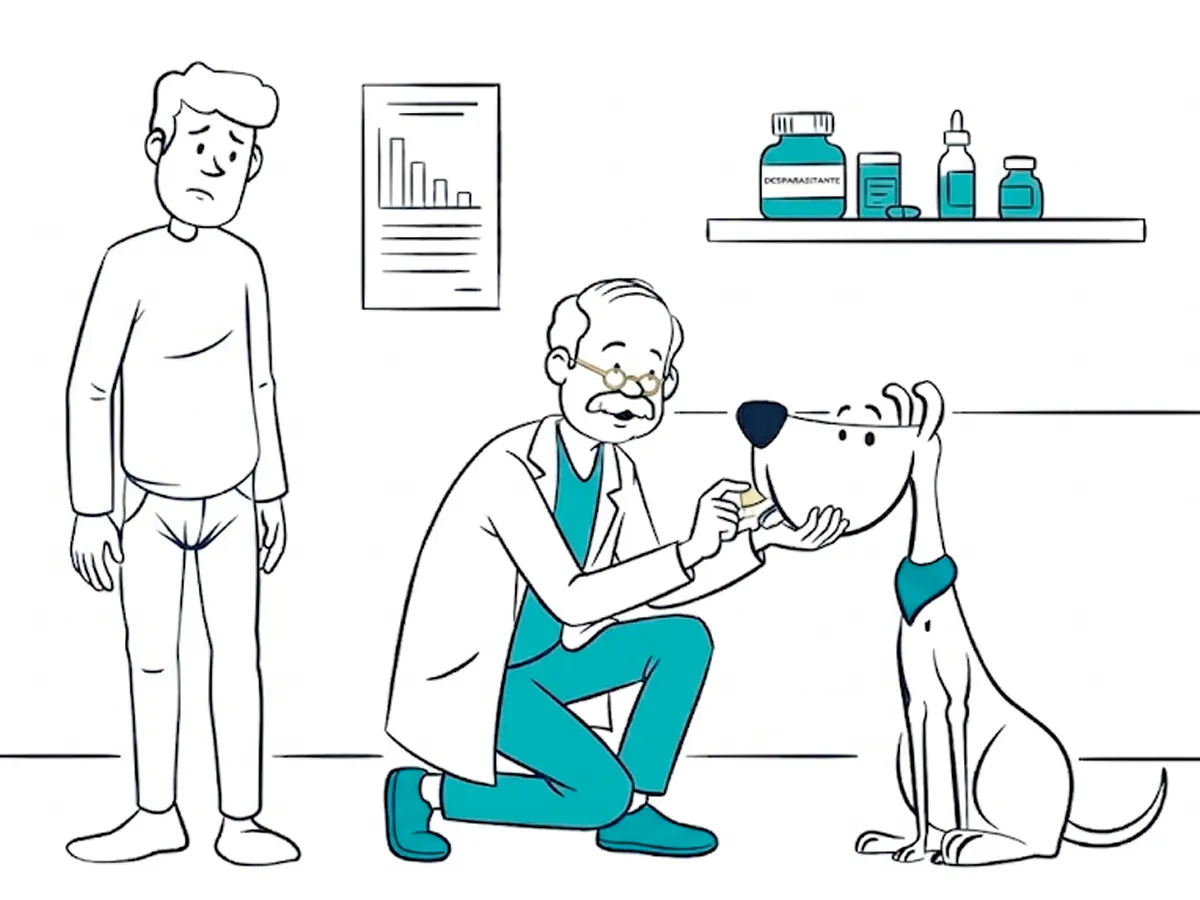
If you’re unsure or the area is tricky, ask your vet for help.
Prevention: what actually works long term
Prevention depends on where you live and your lifestyle. In general:
- Keep a consistent plan (not only “when it’s warm”).
- Check the coat after outdoor walks.
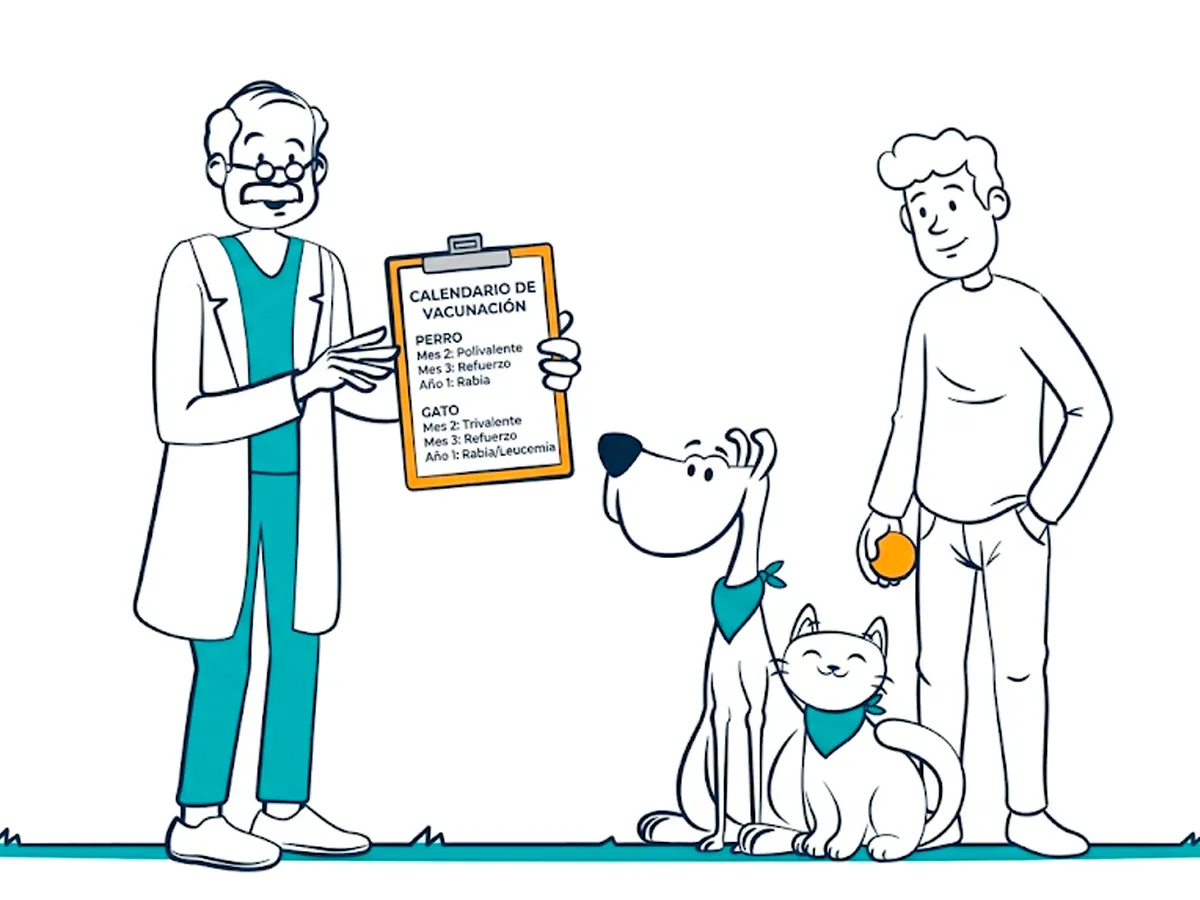
- Adjust products and timing with your vet if you travel or routines change.
If you also want to organize internal vs. external parasite prevention, you may like our guide on deworming and parasite prevention.
When you should definitely contact your vet
- If your pet is lethargic, feverish, or has an inflamed bite site.
- If there’s severe dermatitis or suspected flea allergy dermatitis.
- If ticks keep appearing despite prevention.
For those unexpected issues, consider Miwuki’s veterinary insurance: pet insurance.
Conclusion
Fleas and ticks are best handled with a “two‑part” strategy: treat your pet and treat the environment. Once it becomes routine—and you track it—repeat infestations become much less likely.
Sources
- CDC (ticks): https://www.cdc.gov/ticks/
- ESCCAP: https://www.esccap.org/
- CAPC: https://capcvet.org/