How to care for an abandoned newborn kitten: Step-by-step guide
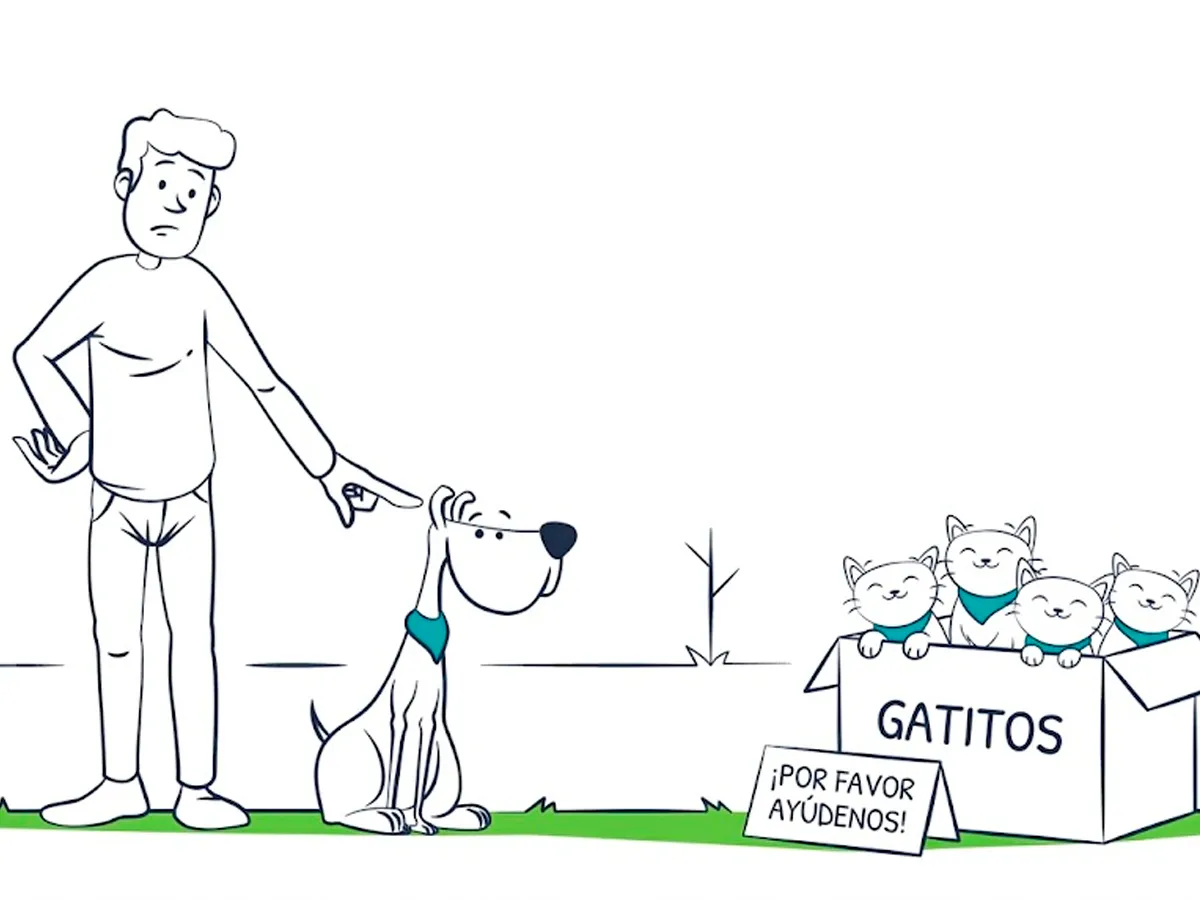
Finding a litter of newborn kittens on the street is a heartbreaking experience. At Miwuki, we receive daily inquiries from people who suddenly find themselves with the responsibility of saving these little furry lives. If you are reading this because you just rescued one, don’t worry! With patience and proper care, you can help them thrive.
Taking on the care of newborn kittens abandoned by their mothers is an intense challenge, but also one of the most rewarding experiences. Here we explain step by step what you should do in those first critical hours.
1. Providing warmth comes first
Unlike adult cats, orphaned kittens under three weeks old cannot regulate their body temperature. If you notice the little one is cold to the touch, do not try to feed them immediately; you must warm them up first.
- Use a safe heat source: A heating pad (on a low setting and covered with a towel) or a hot water bottle wrapped in cloths are ideal.
- Avoid direct heat: Never put the kitten in direct contact with the heat source, as they could suffer burns.
- Create a cozy nest: A cardboard box with soft blankets and high walls to prevent drafts will be their perfect refuge.
2. Feeding: what milk to give them?
This is the most common and dangerous mistake: never give them cow’s milk. Cow’s milk causes severe diarrhea which, in such tiny bodies, can be lethal.
- Kitten milk replacer: Go to a veterinary clinic or specialized pet store and buy formula specifically designed for felines.
- Using a bottle: Use a special kitten bottle. The hole in the nipple should be small enough so that the milk falls drop by drop when you turn it upside down, preventing choking.
- Correct posture: Always feed them on their tummy, simulating the natural posture they would have when nursing from their mother. Never put them on their back like a human baby.
- Frequency: For the first two weeks, they need to eat every 2-3 hours, even at night!
3. Stimulating their basic needs
Newborn kittens do not know how to urinate or defecate on their own. In nature, the mother licks them to stimulate them. Now, that job is up to you.
After each bottle feeding, take a cotton ball or soft gauze moistened with warm water and rub their genital and anal area very gently. You will see that in a few seconds they will do their business. It is essential to keep this area clean and dry to avoid infections.
4. The vet visit and their future
Even if the kitten appears healthy, it is vital to visit the vet within the first 24 hours. They can safely deworm them (if necessary) and check for respiratory problems or dehydration.
If you want a simple way to keep track of reminders and everyday care (vaccinations, vet visits, treatments, weight, and more), try Miwuki Pet Life: download it here.
We know the first few months are a rollercoaster. That’s why, as the little one grows, having good pet insurance will give you great peace of mind against any health unforeseen events.
On the other hand, if you are only fostering temporarily and, once weaned (from 8 weeks), you decide to find them a forever family, remember you can use ethical platforms to give a cat up for adoption and ensure they fall into the best hands.
Saving an orphaned kitten requires staying up late and being very attentive, but the bond you will create with them will be unbreakable. Stay strong and thank you for not looking the other way!