Spay or neuter: benefits, myths, and post-op care (dogs and cats)
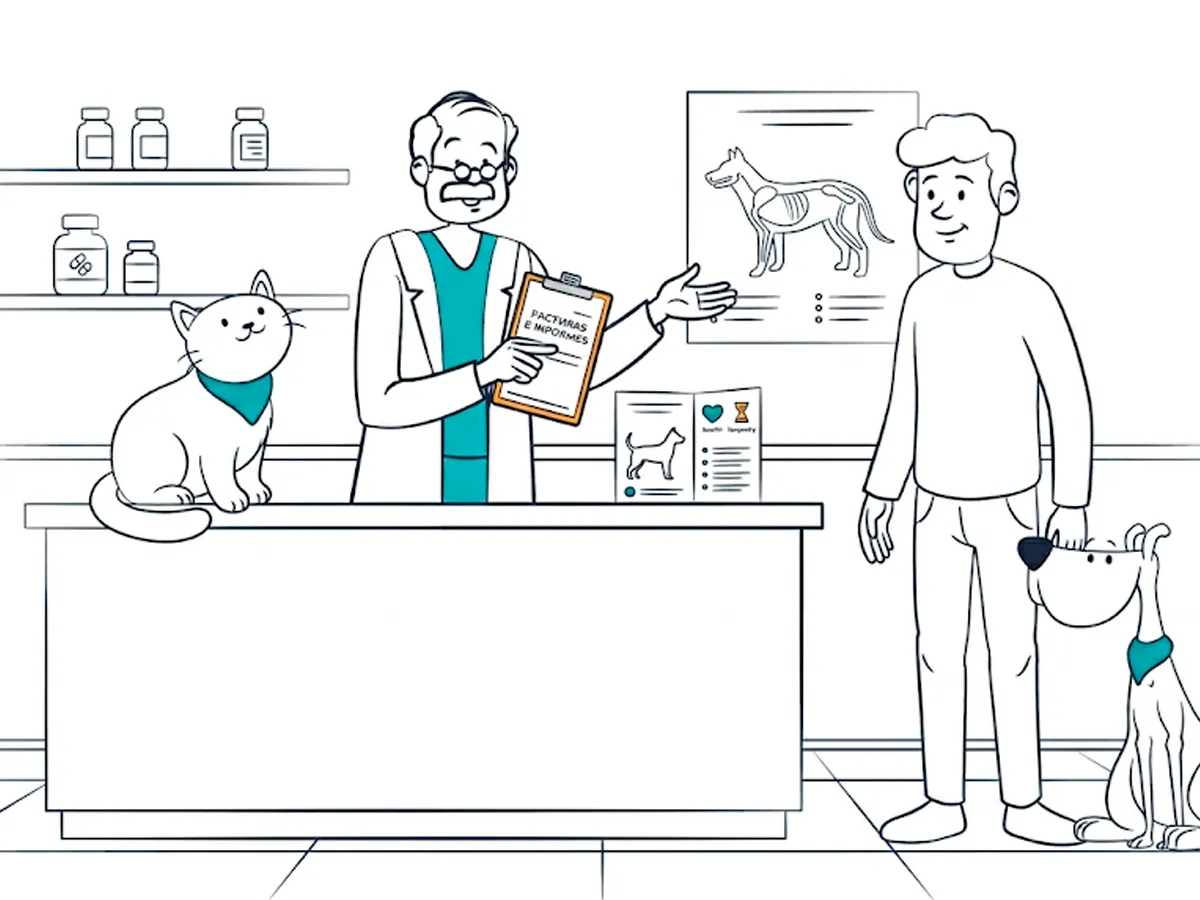
“Should I do it?”, “Will it change their personality?”, “Is it better to wait?”. These are very normal questions. Spaying/neutering is one of the most common veterinary decisions, but it also comes with a lot of myths.
This guide explains what it is, the benefits vets typically consider, what isn’t as black‑and‑white as social media makes it seem, and how to handle post‑op care at home.
Spay vs. neuter: is it the same thing?
In everyday conversation they’re often used interchangeably, but:
- “Neuter” commonly refers to removing the gonads (testicles/ovaries).
- “Spay” often refers to the female procedure; wording varies by country and clinic.
The exact technique and recommendation depend on your pet and your veterinarian’s judgment.
Benefits vets commonly consider
Without promising miracles (every pet is different), benefits that are often part of the conversation include:
- Reducing the risk of unplanned litters.
- Preventing or reducing certain reproductive health issues.
- In some cases, helping manage behaviors linked to heat cycles (not always).
Health, age, breed, and size can all matter, so the best decision is personalized.
Common myths (and how to think about them)
“They’ll be sad or ‘less of a dog/cat’”
After recovery, most pets return to their normal routines. Changes are usually more related to habits, exercise, and food than the surgery itself.
“They will gain weight no matter what”
It’s not automatic. Metabolism and appetite can change for some pets, so it’s smart to adjust portions and keep activity consistent. Your vet can advise a feeding plan.
“It’s always best to do it as early as possible”
There’s no universal “always”. The right timing depends on multiple factors. Discuss your specific case with your veterinarian.
How to prepare for surgery (without stress)
Before the procedure, it’s common to:
- Check overall health and, when appropriate, run pre‑op tests.
- Follow fasting and medication instructions.
- Set up a calm recovery space at home.
To keep everything organized (appointments, fasting times, meds, rechecks), Miwuki Pet Life helps you track it all: download it here.
Post-op care: what people forget most often
Home routine makes the biggest difference:
- Prevent licking: cone or recovery suit if recommended.
- Limit activity: avoid jumping, running, rough play early on.
- Watch the incision: excessive redness, discharge, bad smell, or increasing pain should be checked.
- Stick to medications and follow‑up visits.
If you’re worried about the cost of rechecks or complications, consider Miwuki’s veterinary insurance: pet insurance.
If you’re in “checklist mode”, you may also like our guide on deworming and parasite prevention.
Conclusion
Spaying/neutering isn’t a one‑size‑fits‑all decision. The safest approach is to talk it through with your vet, weigh your context, and plan recovery properly. With good preparation, recovery is usually very manageable.
Sources
- AVMA (spay/neuter): https://www.avma.org/resources/pet-owners/petcare/spaying-and-neutering
- AAHA (health resources): https://www.aaha.org/
- WSAVA (resources): https://wsava.org/