My dog has diarrhea: common causes, what to do at home, and when to see a vet
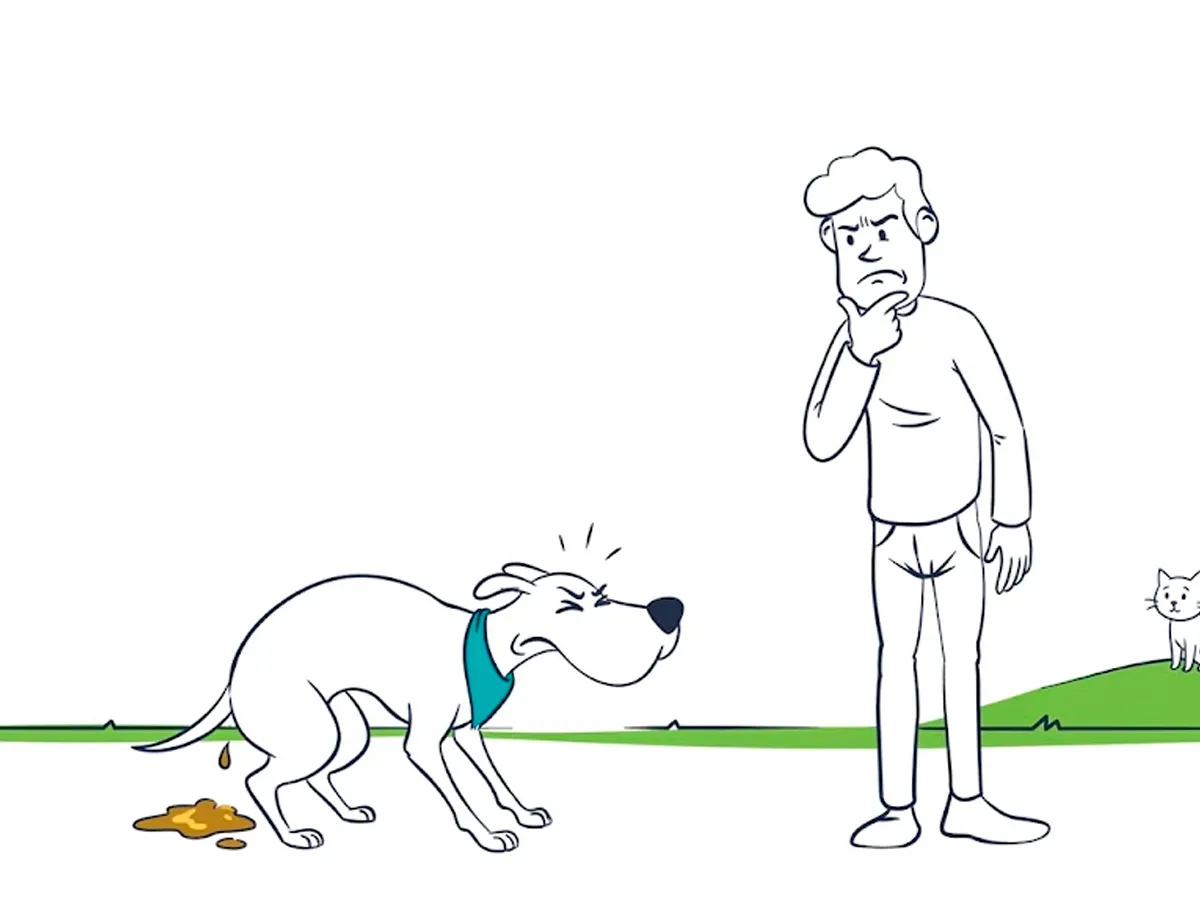
When your dog has diarrhea, it always seems to happen at the worst possible time: late at night, on a weekend, or right before you leave the house. It’s normal to worry. The good news is that many cases are mild and short‑lived, but there are also situations where it’s best not to wait.
In this guide, you’ll learn what might be going on, what you can safely do at home, and—most importantly—when to call your veterinarian.
Warning signs (don’t wait)
Contact your vet as soon as possible (or go to emergency care) if you notice any of the following:
- Diarrhea with blood (bright red or very dark) or a “tarry” appearance.
- Repeated vomiting, marked lethargy, or obvious abdominal pain.
- Your dog refuses water, or you suspect dehydration (dry gums, listlessness).
- They are a puppy, a senior, or have a pre‑existing condition (kidney, gut, immune issues).
- The diarrhea is very frequent/large volume or doesn’t improve within 24–48 hours.
- You think they may have eaten something dangerous (trash, cooked bones, toxins, objects).
If you’re unsure, it’s better to be cautious. Sometimes “waiting one more day” is what makes things harder to treat.
Common causes of diarrhea in dogs
Diarrhea isn’t a disease by itself—it’s a sign that something has irritated the intestines. The most common causes include:
- Diet changes or new treats (including table scraps).
- “Garbage eating”: leftovers outdoors, trash, feces, etc.
- Stress (travel, changes at home, a new baby or pet).
- Intestinal parasites (especially if deworming isn’t up to date).
- Food intolerances or allergies (often more chronic than sudden).
- Infections (viral/bacterial) or intestinal inflammation.
If there’s also vomiting, fever, or pain, don’t treat it as “just diarrhea”.
What you can do at home (safely)
These steps often help in mild cases, as long as your dog is otherwise bright, drinking water, and there are no warning signs.
1) Hydration comes first
The goal is to prevent dehydration:
- Offer fresh water more frequently.
- If they tolerate it, give small amounts several times (little and often).
If they can’t keep water down or won’t drink, it’s a good reason to call your vet.
2) Bland diet, but thoughtfully
For many dogs, a bland diet for 24–48 hours helps, followed by a gradual transition back.
- Common options: boiled chicken/turkey and rice, or a GI diet recommended by your veterinarian.
- Avoid fatty foods, dairy, processed meats, or leftovers.
If you suspect a diet change triggered it, a slow transition is usually key.
3) Observe and note the details
It sounds simple, but it helps your vet a lot:
- When did it start?
- How often, and what does it look like (watery, mucus, blood)?
- Did they eat anything unusual?
- Any vomiting? Are they acting normal?
To keep it easy, Miwuki Pet Life helps you track symptoms, reminders, and daily routines: download it here.
What NOT to do (even if someone suggests it)
- Don’t give human medications (anti‑diarrheals, anti‑inflammatories, antibiotics) “just to try”.
- Don’t restrict water to “stop the diarrhea”.
- Don’t extend home‑cooked bland diets for days without guidance if it isn’t improving—there may be an underlying issue.
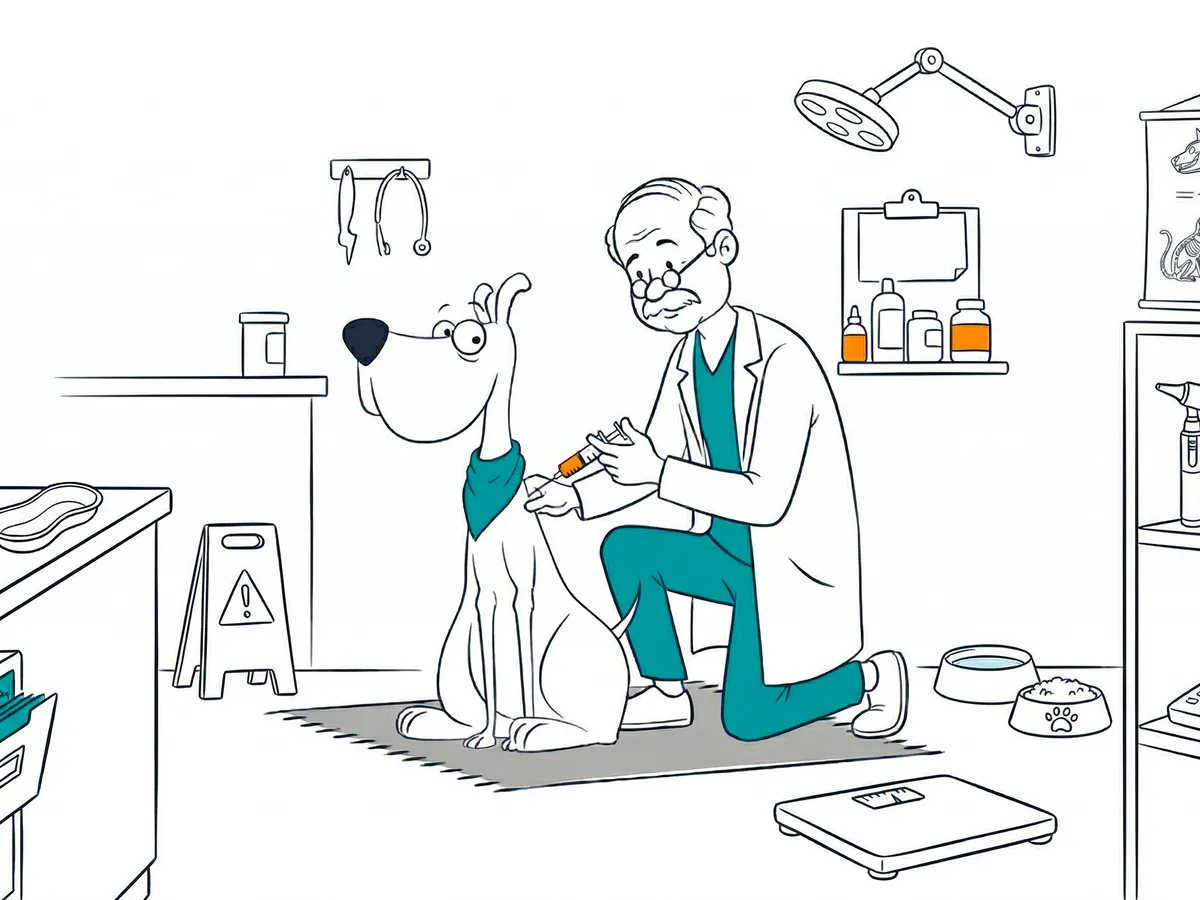
The vet visit: how to be prepared
If you need a visit, bring this mini checklist:
- A photo or note about the stool (yes, even if it feels awkward).
- A list of what they ate in the last 48 hours.
- Deworming/vaccine info if you have it.
If you want extra peace of mind for these kinds of surprises, consider Miwuki’s veterinary insurance: pet insurance.
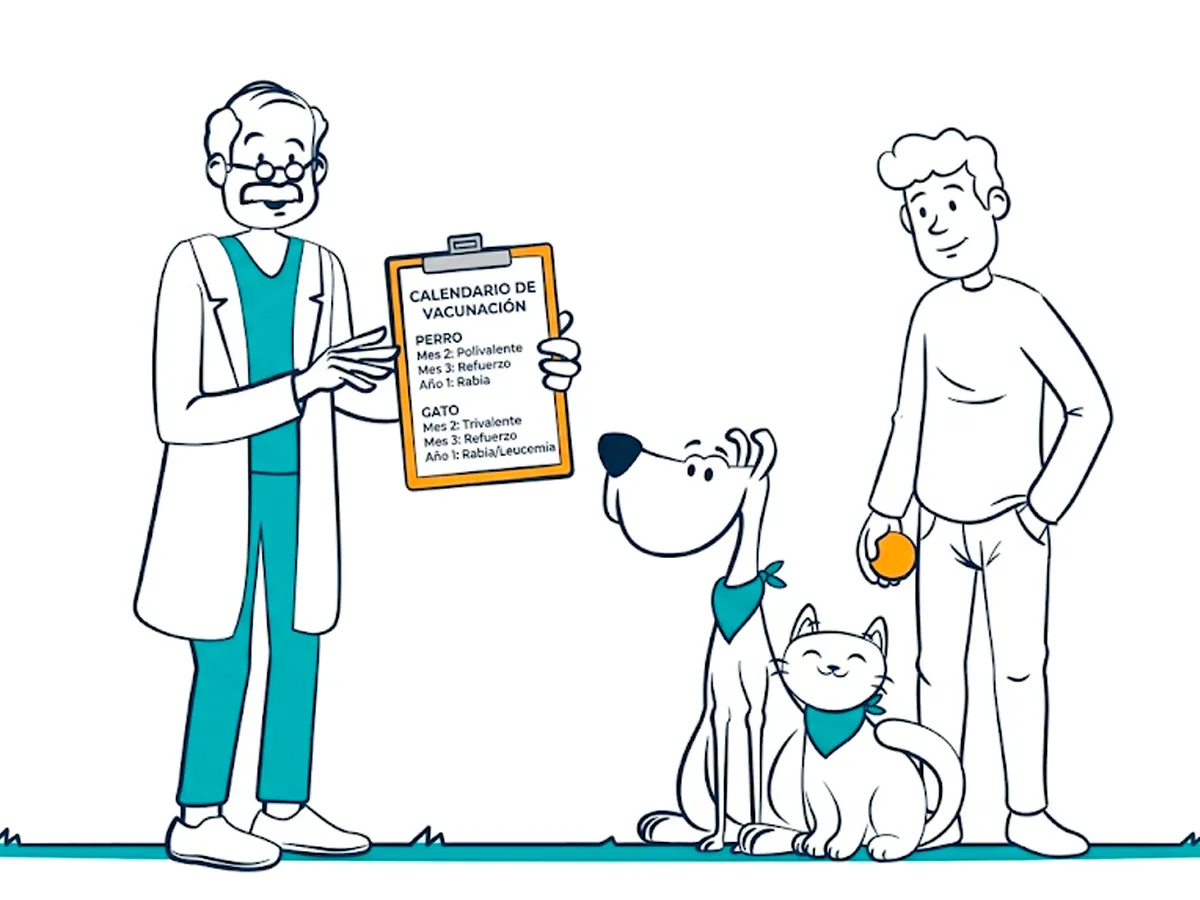
For prevention basics, you may also like our guide on dog vaccination.
How to reduce the chance it happens again
- Change foods gradually.
- Keep deworming up to date as advised by your veterinarian.
- Prevent “street snacks” (and double‑check toys/objects they might chew and swallow).
Conclusion
Diarrhea in dogs is common and often resolves with simple steps, but certain signs mean you shouldn’t wait. When in doubt, call your vet—it can prevent bigger problems and keep your dog safer.
Sources
- Merck Veterinary Manual: https://www.merckvetmanual.com/
- WSAVA (guidelines & resources): https://wsava.org/
- AVMA (health & wellbeing): https://www.avma.org/