Why dog vaccination matters: health, prevention, and responsibility
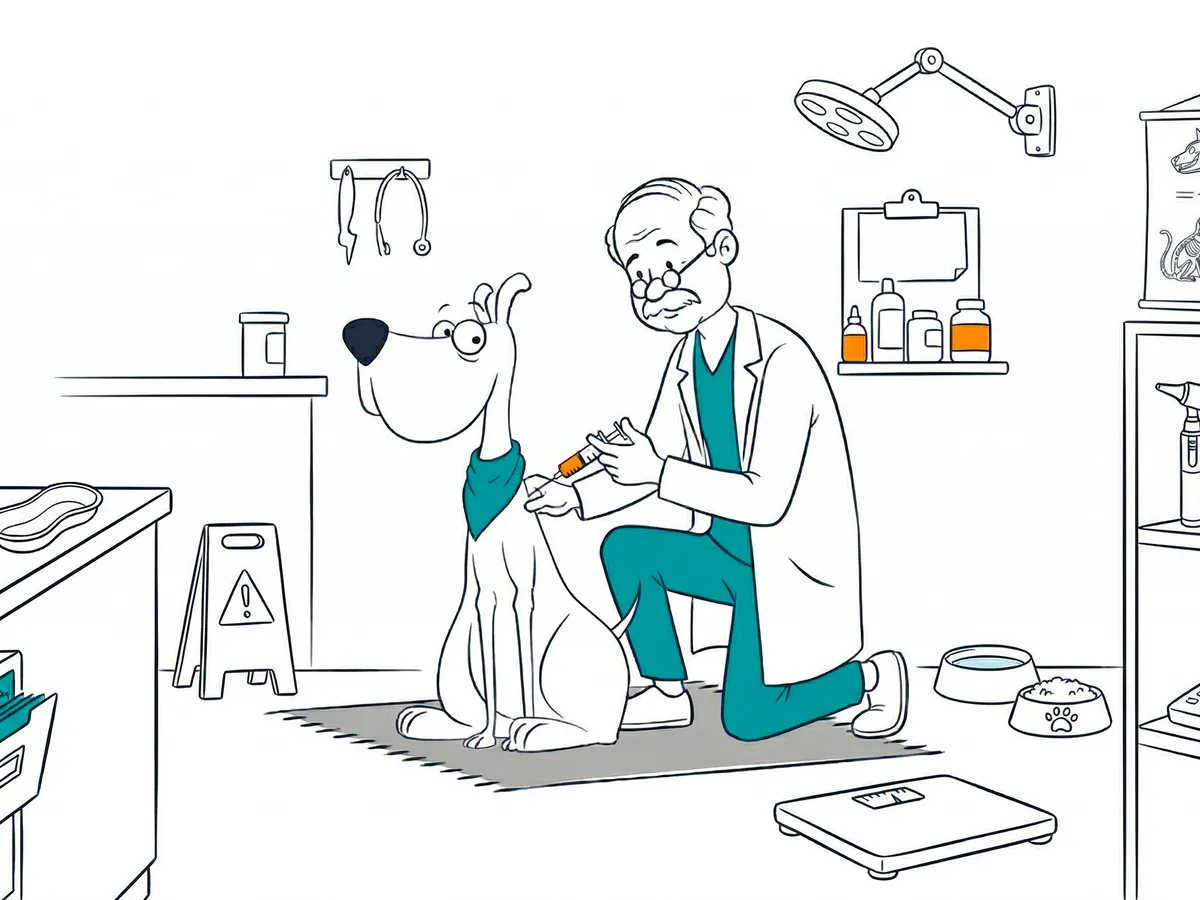
If you’ve ever walked out of the vet with your dog’s vaccination booklet in hand and wondered, “Do they really need all these shots?”, you’re not alone. Dog vaccination is one of the most important preventive tools we have to avoid serious diseases, protect the wider community, and (as a bonus) reduce health scares and long-term vet costs.
Beyond protecting your dog from potentially life‑threatening viruses and bacteria, vaccination supports community immunity, reducing pathogen circulation and helping to protect puppies, immunocompromised dogs, and people from zoonoses such as rabies.
Why vaccinate?
- Prevention of serious diseases: distemper, parvovirus, infectious hepatitis, leptospirosis, and rabies, among others. In puppies, some of these infections can progress very quickly.
- Public safety: rabies vaccination protects the community and, depending on where you live, may be required by law.
- Future savings: treating preventable diseases can be expensive; prevention is typically more affordable and far less stressful for your dog (and for you).
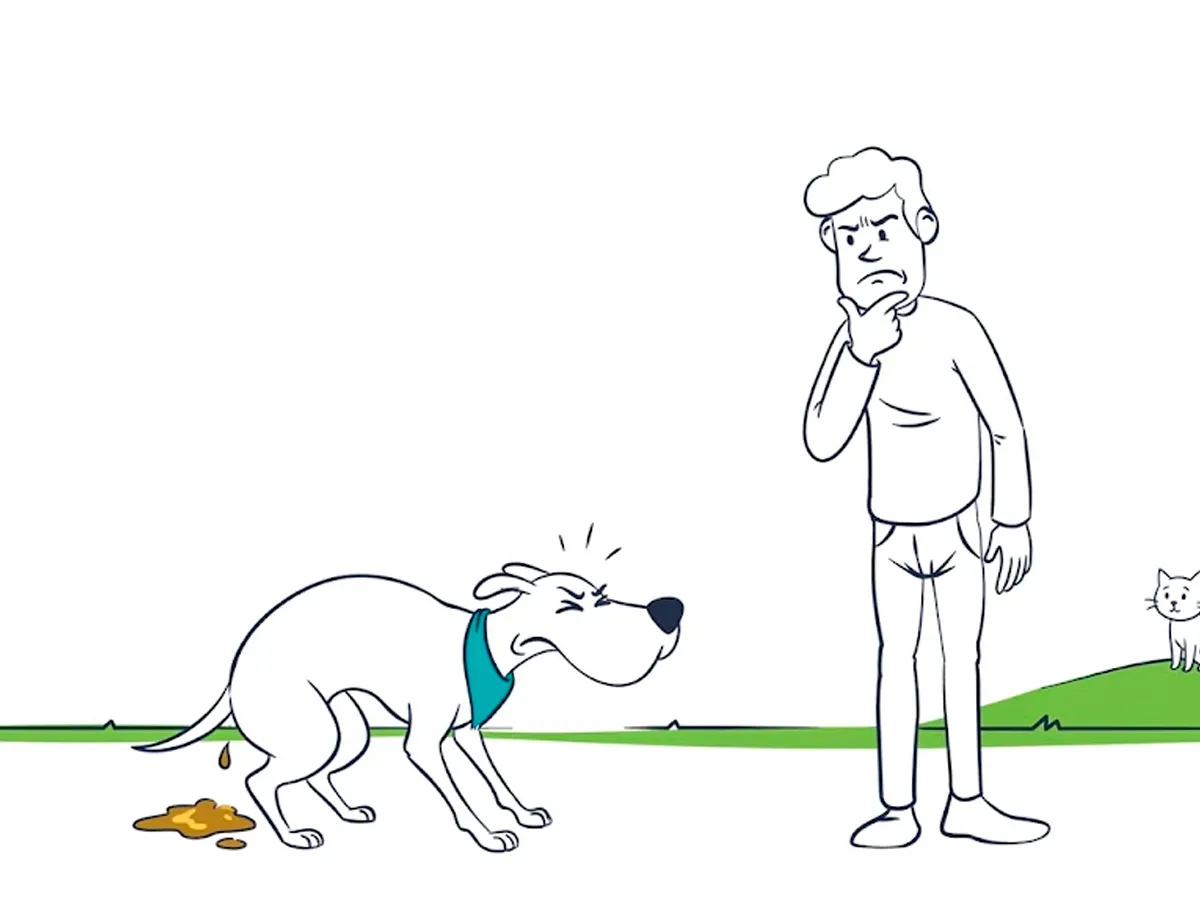
Think of very common scenarios: dog parks, boarding facilities, puddles during walks, or simply meeting other dogs. These everyday moments can lead to exposure without you noticing.
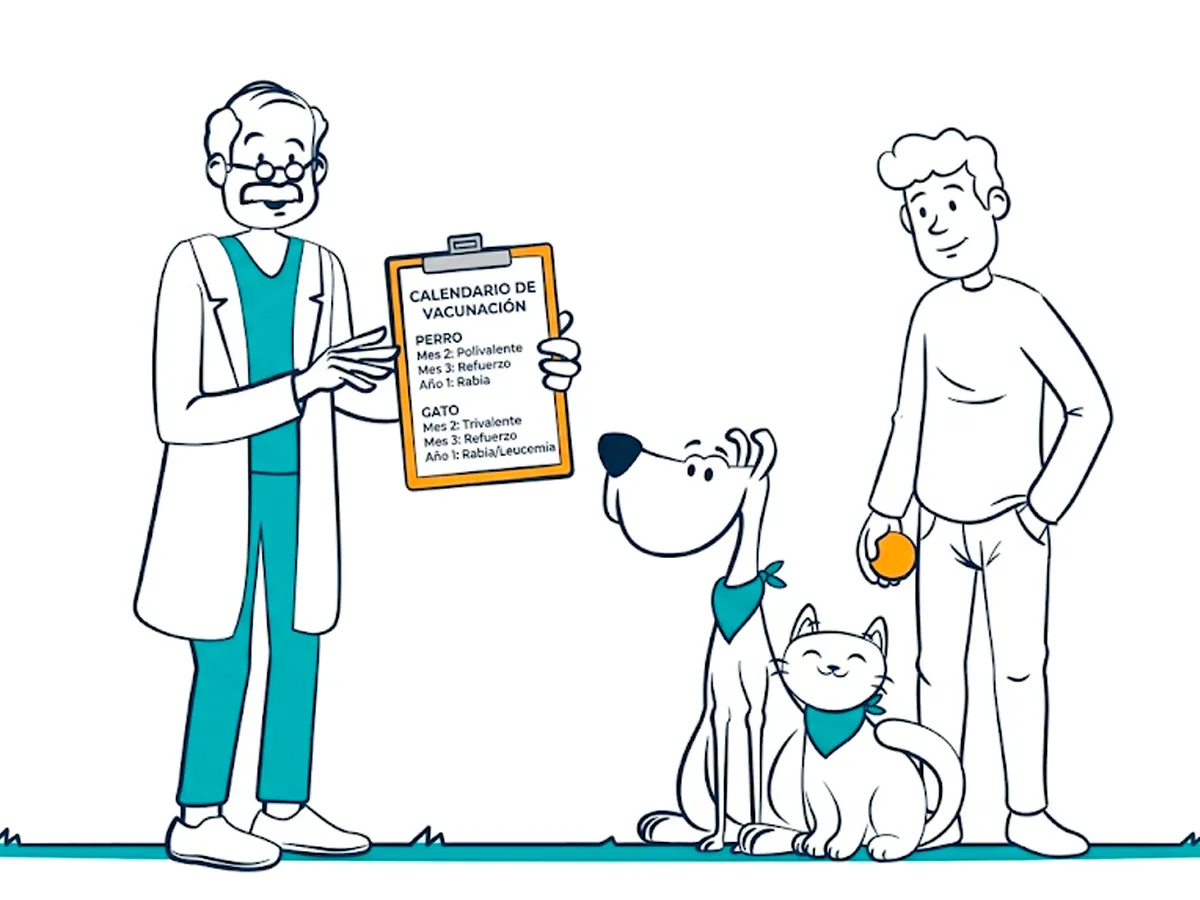
Basic schedule (general guidance)
Note: your veterinarian sets the exact schedule based on history, age, and environment.
- Puppies: first doses around 6–8 weeks, then boosters every 3–4 weeks until 16 weeks.
- First booster: at one year of age.
- Ongoing boosters: depending on the protocol (annual or every three years) and local risk.
To keep it simple and stress‑free:
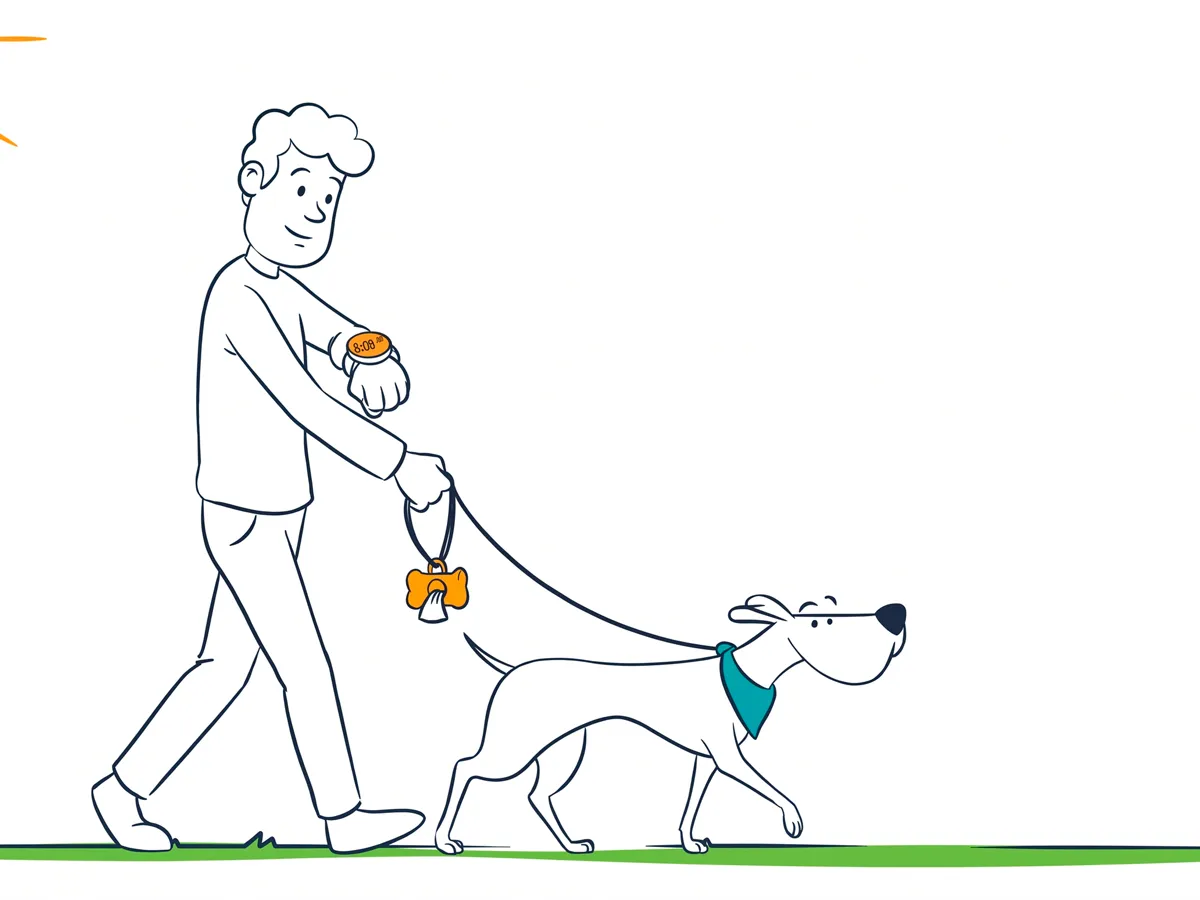
- Add reminders to your phone.
- Write the next dose date in the vaccination record.
- Ask the clinic if they send SMS or email reminders.
Core vs. non‑core vaccines
- Core: protect against widespread, high‑severity diseases: distemper, parvovirus, hepatitis, and rabies.
- Non‑core: given based on risk: leptospirosis, kennel cough (bordetella/parainfluenza), leishmaniasis, etc.
Ask your vet which vaccines your dog needs based on lifestyle (city/countryside), travel, boarding stays, and contact with other animals. For example, if you live in or travel to areas where leishmaniasis is common, your vet may recommend additional preventive measures.
Common myths
- “My dog stays at home, so they don’t need vaccines.”
Even indoor dogs can be exposed through visitors, contaminated items (shoes, clothing), or occasional outings. - “Vaccines always cause adverse effects.”
Side effects are usually mild and temporary (sleepiness, local soreness). Serious reactions are rare, and the benefits typically outweigh the risks. If your dog has reacted before, tell your vet: schedules can be adapted.
Best practices
- Keep your dog’s vaccination record updated and save reminders.
- Avoid high‑risk areas for puppies until the primary series is complete.
- If you travel abroad, check microchip and rabies vaccine requirements in advance.
Conclusion
Vaccinating your dog is an act of responsibility and love: it protects their health, other animals, and society. Talk with your veterinarian to choose the most appropriate schedule and keep boosters up to date.
To make it easier day to day, Miwuki Pet Life helps you organize reminders and care routines (vaccines, vet visits, treatments, and more): download it here.
If you want extra peace of mind for health surprises, consider pet insurance. For more practical care tips, you can also read our guide on how to care for orphan kittens.